Posted on Leave a comment

When to do a hypnobirthing class?

When to do a hypnobirthing class

What is hypnobirthing? When to do a hypnobirthing class? What are the benefits of hypnobirthing?

What is hypnobirthing?

Hypnobirthing is a type of childbirth education. It focuses on relaxation techniques and self-hypnosis to help expectant mothers experience a more calm and comfortable birth. In addition to that, hypnobirthing, especially Mindful Hypnobirthing can help you deal and come to terms with (sudden) changes during your pregnancy and childbirth journey. Hypnobirthing teaches you techniques to calm your body and mind in any situation helping you achieve a more satisfying (birth) experience.

When to do a hypnobirthing class?

Basked in the warmth of expectant anticipation, the journey of pregnancy holds boundless possibilities. Embracing this transformative phase, hypnobirthing serves as a gentle beacon, guiding you towards a serene and empowering birth experience. By attending your hypnobirthing class between 21-30 weeks, you gracefully intertwine knowledge and practice, nurturing a profound connection with your body, baby, and the birthing process.

During these immersive sessions, you will delve into the intricacies of hypnobirthing techniques, equipping yourself with a rich toolbox of relaxation exercises, visualization practices, and deep breathing methods. This precious time devoted to learning and self-discovery ensures that you absorb the wisdom imparted by your course, allowing sensations of tranquility and confidence to take root within you.

As you embark on this path, make the conscious decision to prioritize self-care and integration. Carve out moments in your schedule to indulge in self-reflection, savoring the invaluable opportunity to unwind and surrender to the present moment. Remember, practice is the key to unlocking the full potential of hypnobirthing. By dedicating time to honing your skills, you cultivate an innate sense of calmness and resilience, ready to embrace the birthing journey with unwavering grace.

As you honour your body’s innate wisdom and the innate wisdom of your baby, embrace the affirmations that flow through hypnobirthing. Enveloped in an atmosphere of love, trust, and empowerment, you harness the strength of your mind and spirit, harmoniously co-creating a positive childbirth experience.

Embrace this transformative passage, for it is an invitation to embark on a sacred and empowering journey. Through the art of hypnobirthing, discover newfound serenity, reclaim your inner power, and paint an exquisite portrait of birth, woven with love and grace.

What are the benefits of hypnobirthing classes?

The benefits of attending a hypnobirthing class are numerous. During a group hypnobirthing class you’ll meet like-minded people embarking on their journey to parenthood at a similar time. By learning effective relaxation and breathing techniques, hypnobirthing can help reduce anxiety, fear, and tension during labour, making the experience more positive and enjoyable.

In a hypnobirthing class, you can expect to learn various techniques such as deep relaxation, visualization, affirmations, and self-hypnosis. These techniques are designed to help you achieve a state of deep relaxation and promote a more efficient and comfortable labour. The classes are typically taught by certified hypnobirthing practitioners who guide you through the process and provide ongoing support throughout your pregnancy journey.

It’s important to note that hypnobirthing classes are beneficial for all types of births, whether you are planning a natural birth or have opted for medical interventions. The techniques learned in hypnobirthing can be applied in any birthing scenario and can help you stay calm, focused, and in control.

If you’re considering attending a hypnobirthing class, it’s recommended to do your research and find a reputable practitioner in your area. Many classes offer both in-person and online options, allowing you to choose the format that suits you best. Remember, hypnobirthing is not just about the birthing day but also about preparing mentally, emotionally, and physically throughout your pregnancy for a positive birthing experience. So, take the time to explore this wonderful approach to childbirth and embrace a more relaxed and empowered journey into motherhood.

Online Birth Preparation Course only £35!

Please also check out my online course! No videos, just text and images to learn in your own time. Includes hypnobirthing mp3s, scripts, workbook, handouts, infographics and much more! Lots and lots of information at your fingertips! Includes:

  • hypnobirthing mp3s
  • hypnobirthing scripts
  • written information
  • infographics and other imagery
  • printable handouts
  • printable workbook/journal
Posted on Leave a comment

When is the right time to have a baby?

when is the right time to have a baby

When it comes to the question of when is the right time to have a baby, it’s important to understand that there is no one-size-fits-all answer. The decision to start a family is deeply personal and can be influenced by a variety of factors, including financial stability, emotional readiness, career aspirations, and relationship dynamics.

Financial stability often plays a significant role in determining the right time to have a baby. It is crucial to consider whether you have the financial means to provide for a child, including expenses such as healthcare, education, and basic necessities. Planning for the future and ensuring a stable financial foundation can help create a nurturing environment for your child.

Emotional readiness is another critical aspect to consider. Parenthood brings about significant changes in lifestyle, responsibilities, and priorities. Are you emotionally prepared for the challenges and joys of raising a child? It’s essential to reflect on your own personal growth and readiness to meet the needs of a child, both physically and emotionally.

Career aspirations are also worth considering. Many individuals strive to establish themselves professionally before starting a family. Assessing your career goals and the potential impact of having a child is crucial. Are you in a position where you can manage the demands of both career and parenthood? Balancing work and family can be challenging, so it’s important to evaluate your own ambitions and how they align with your desire to have children.

Furthermore, the dynamics of your relationship or support system should be taken into account. Are you in a stable, committed partnership? Open communication with your partner about shared values, goals, and desires for starting a family is essential. Have you decided to be a lone-parent? Either way, whether you are thinking about having a baby by yourself or with a partner, having a strong support system of family and friends can greatly contribute to your parenting journey.

Ultimately, the decision of when to have a baby is deeply personal and unique to every individual or couple. Many parents will say that you are never ready and that there is no “right” time to have a baby. It’s important to take the time to reflect on your own circumstances, hopes, and dreams. Consulting with loved ones and seeking guidance from medical professionals can provide valuable insights and help you make an informed decision. Remember, there is no “perfect” time, but rather a time that feels right for you (and your partner).

Posted on Leave a comment

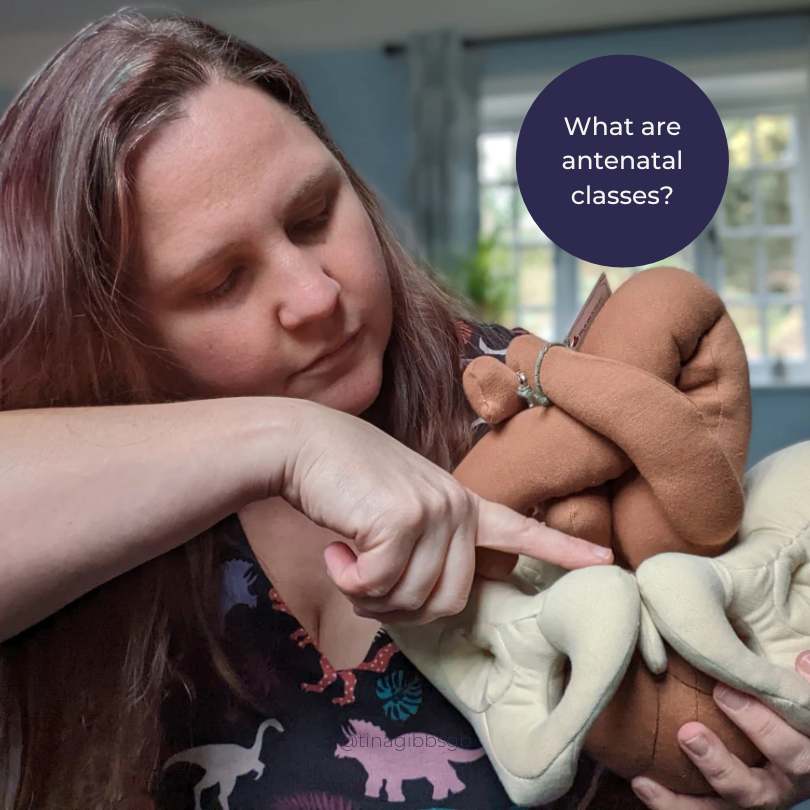
What are antenatal classes?

antenatal classes nottinghamshire

Antenatal classes are educational sessions designed to prepare expectant parents for childbirth and early parenthood. These classes provide valuable information and practical skills to help parents navigate this transformative journey with confidence. While the format and content of antenatal classes may vary, they typically cover topics such as pregnancy health, labour and birth, pain management techniques, self-help techniques, breastfeeding, infant feeding, newborn care, newborn sleep, postnatal/postpartum recovery, postnatal/postpartum depression and postpartum support.

Who goes to an antenatal class?

It is recommended for both parents to attend antenatal classes whenever possible. This allows both partners to gain a comprehensive understanding of the childbirth process and actively participate in decision-making. Attending these classes together can also strengthen the bond between parents, as they learn and share experiences, concerns, and expectations together.

However, while antenatal classes are usually attended by couples or expectant mothers and their birth partners, they can certainly benefit lone parents as well.

Are antenatal classes suitable for lone parents or single parents?

Being a lone parent during pregnancy and childbirth can bring unique challenges and concerns. Antenatal classes can provide a nurturing and supportive environment for lone parents, offering them a chance to connect with other expectant parents and gain essential knowledge and resources. These classes can help lone parents build confidence, develop practical skills, and establish a support network.

Lone parents can learn valuable techniques to manage the physical and emotional demands of childbirth, as well as techniques to promote bonding and create a positive environment for their soon-to-arrive little one.

Furthermore, antenatal classes often cover newborn care, including topics like breastfeeding, nappy changing, bathing, and soothing techniques. For lone parents who may not have immediate family or partners to rely on for support, these classes can be particularly beneficial in equipping them with the knowledge and skills needed to care for their newborn.

It’s worth noting that these educational classes not only provide practical information but also serve as a platform for expectant parents to share their experiences, concerns, and questions. For lone parents, these classes can be a safe space to connect with others who may be facing similar circumstances, fostering a sense of community and reducing feelings of isolation.

In conclusion, antenatal classes can be incredibly valuable for lone parents, offering them education, support, and a network of peers who can empathize with their unique journey into parenthood. Participating in these classes can empower lone parents, helping them feel more prepared and confident as they embark on this exciting new chapter in their lives.

Who provides antenatal classes?

One popular provider is the National Childbirth Trust (NCT). Some NHS trusts and children’s centers also offer classes and your local doulas will be able to help you prepare for the birth of your baby!

Who is Tina Gibbs?

I am an NCT-trained antenatal teacher and now offer antenatal classes in a group or 1:1 setting, in my home, yours or online. My antenatal courses that aim to inform, empower, and connect parents with each other and their baby/babies. I am an experienced antenatal teacher and have supported 1000s of expectant and new parents. While there is a cost associated with my antenatal classes, many parents find the investment worthwhile as they receive evidence-based information, access to a supportive network, and the opportunity to build friendships with other soon-to-be parents.

Book classes or workshops with Tina Gibbs here or contact me to arrange your private group or 1:1 classes.

Are antenatal classes worth it?

Attending antenatal classes, whether through the NCT or other providers, can provide numerous benefits for expectant parents. These classes not only offer valuable knowledge and practical skills but also help alleviate anxiety, increase confidence, and provide a supportive community during this special time. It’s worth considering if you’re seeking comprehensive preparation for the journey ahead.

Please also check out my online course! No videos, just text and images to learn in your own time. Includes hypnobirthing mp3s, scripts, workbook, handouts, infographics and much more! Lots and lots of information at your fingertips! Includes:

  • hypnobirthing mp3s
  • hypnobirthing scripts
  • written information
  • infographics and other imagery
  • printable handouts
  • printable workbook/journal

Posted on Leave a comment

Baby-Led Weaning explained

Starting Solids (Weaning) Workshop, Nottinghamshire

As you may know, I am running private starting solids sessions (weaning) in Scarrington, Nottinghamshire. The starting solids (weaning) workshop explores different ways you can wean your baby including baby-led weaning.

What is baby-led weaning?

Baby-led weaning, also known as BLW, is a method of introducing solid foods to your baby. BLW allows your baby to be in control of their eating experience from the very beginning. Instead of relying solely on purees and spoon-feeding, BLW encourages your baby to self-feed and explore a wide variety of age-appropriate foods, tastes and textures.

The concept behind baby-led weaning is quite simple yet revolutionary. It promotes the idea that babies are capable of feeding themselves and have an innate ability to know how much and what they need to eat. With BLW, there’s no need to spend countless hours pureeing fruits and vegetables or worrying about the perfect consistency of mashed food. Instead, parents can offer their little ones soft, easily graspable finger foods that they can explore, touch, and taste on their own.

By adopting baby-led weaning, parents can increase a positive relationship with food for their children right from the start. It allows babies to develop their motor skills by practicing the pinching and grasping movements needed to pick up food. It also encourages them to explore different textures, tastes, and smells, which can help expand their palate and reduce picky eating habits later in life.

One of the many benefits of baby-led weaning is that it promotes self-regulation and helps babies develop a sense of satisfaction. Since they are in control of how much they eat, they can learn to recognize their own hunger and fullness cues, leading to a healthier relationship with food as they grow older.

It is important to note that baby-led weaning does not mean entirely abandoning purees or spoon-feeding. It can be a complementary approach, with babies being offered a combination of finger foods and purees as they navigate their journey to solid foods. The key is to offer a wide range of nutritious foods, while also embracing the mess and allowing babies to explore and enjoy their meals at their own pace.

In summary, BLW is a method that empowers babies to take an active role in their eating experience. It promotes independence, motor skill development, and a positive relationship with food. Whether you choose to embrace it fully or incorporate elements of it alongside traditional feeding methods, baby-led weaning can be a wonderful way to introduce solids to your little one.

Starting Solids (Weaning) Workshop, Nottinghamshire. Baby-led weaning, Puree weaning

Sources and further reading:

  • Brown, A., Jones, S.W. and Rowan, H., 2017. Baby-led weaning: the evidence to date. Current nutrition reports6, pp.148-156.
  • Cameron, S.L., Heath, A.L.M. and Taylor, R.W., 2012. How feasible is baby-led weaning as an approach to infant feeding? A review of the evidence. Nutrients4(11), pp.1575-1609.
  • D’Auria, E., Bergamini, M., Staiano, A., Banderali, G., Pendezza, E., Penagini, F., Zuccotti, G.V. and Peroni, D.G., 2018. Baby-led weaning: what a systematic review of the literature adds on. Italian journal of pediatrics44(1), pp.1-11.
  • First Steps Nutrition Trust: https://www.firststepsnutrition.org/eating-well-infants-new-mums
Posted on Leave a comment

The role of the birth partner after the birth

postpartum doula support nottingham

What is the role of the birth partner after the birth of your baby? How can your (birth) partner support you and your baby in the early post-partum period and where can your partner find support for themselves?

Giving birth is a transformative experience for every parent and their immediate support network. After the arrival of your baby, the role of the birth partner becomes even more crucial. In the early postpartum period, there are several ways your partner can support you and your precious little one.

First and foremost, your birth partner can provide emotional support. They can offer words of encouragement, understanding, and reassurance during this beautiful yet challenging time. They can listen to your thoughts and feelings, allowing you to process your emotions and adjust to the changes that come with becoming a parent.

Your partner can also assist with practical tasks. This can include helping with nappy changes, bathing your baby, rocking them or taking them for a walk. By taking on these responsibilities, your partner can allow you some much-needed rest and physical recovery. They can also help maintain a clean and comfortable environment for both you and the baby.

In addition to taking care of you and the baby, the birth partner should also prioritize their own well-being. Caring for a newborn can be overwhelming, and your partner needs to find support for themselves as well. Parents should encourage each other to reach out to friends, family, or support groups to share their experiences and seek advice. You can also seek professional guidance if needed, as many hospitals and clinics offer resources specifically designed to help birth partners navigate their new role.

Remember, this is a time filled with joy, but it can also be challenging. Open communication and mutual support between you and your birth partner are key. Together, you can navigate the joys and challenges of early parenthood and create a strong foundation for your new family unit.

In addition to the above, you may also want to consider hiring a postpartum (postnatal) doula. A doula can support your family in the early postpartum emotionally as well as practically.

If you have any specific questions or concerns about postpartum support, feel free to ask!

Posted on Leave a comment

Can I have a waterbirth in Nottingham?

can I have a waterbirth in Nottingham

Can I have a waterbirth in Nottingham Queens Medical Centre (QMC) and City Hospital?

When considering a waterbirth, you may be wondering if it’s possible to have one in Nottingham at either the Queens Medical Centre (QMC) or City Hospital. Nottingham offers excellent healthcare facilities, and both hospitals have maternity units that provide a range of birthing options, including waterbirths.

The QMC is a renowned teaching hospital and one of the largest in the UK. It has a dedicated maternity unit that offers a compassionate and supportive environment for expectant parents. While they prioritize safety and the well-being of both mother and baby, they also strive to accommodate individual preferences for birthing experiences, including waterbirths.

Similarly, City Hospital, located in the heart of Nottingham, also has a maternity unit that recognizes the benefits of waterbirths. Waterbirths can offer relaxation, pain relief, and a gentle transition for the baby from the womb to the outside world.

It’s important to note that while both hospitals offer waterbirths, availability may vary depending on factors such as the stage of your pregnancy, your medical history, and any complications that may arise. To explore the possibility of having a waterbirth at either hospital, it is recommended that you discuss your preferences with your midwife or healthcare provider during your antenatal appointments. They will be able to provide detailed information and guidance based on your specific circumstances.

You can find out more about current options and recommendations at the NUH Maternity website.

In addition to the Nottingham University Hospitals (NUH) there are a couple of additional birth places nearby. St. Mary’s Maternity Hospital in Melton Mowbray and Kingsmill Hospital (Sherwood Forest Hospitals).

When planning for the birth of your baby and your birth experience, it is important to check out all your options. If you’d like to have some help with planning your birth or would like to learn more about birth and your options, get in touch for a 1:1 antenatal class with me!

Online Birth Preparation Course only £35!

Please also check out my online course! No videos, just text and images to learn in your own time. Includes hypnobirthing mp3s, scripts, workbook, handouts, infographics and much more! Lots and lots of information at your fingertips! Includes:

  • hypnobirthing mp3s
  • hypnobirthing scripts
  • written information
  • infographics and other imagery
  • printable handouts
  • printable workbook/journal
Posted on Leave a comment

The emotional rollercoaster of parenthood

emotional rollercoaster of parenthood

The emotional rollercoaster of parenthood is just that; a very steep and fast rollercoaster full of emotions and ups and downs.

Parenthood is truly a remarkable journey, filled with countless highs and lows, twists and turns. From the moment you hold your newborn baby in your arms for the first time, a rush of emotions comes over you. The mix of joy, excitement, and overwhelming love that soaks into every fibre of your being is indescribable. It is as if your heart has expanded to accommodate a depth of emotion you never knew existed.

For some new parents, the rush of true love and emotions for their newborn baby may not be instant but take quite some time instead.

Yet, parenthood is also like embarking on an unpredictable emotional rollercoaster ride. Just as the coaster climbs slowly to its peak before plummeting down, parenthood takes you through exhilarating highs and heart-wrenching lows. One moment, you may be enjoying the tender moments shared with your child, watching them explore the world with wide-eyed curiosity and innocence. And in the next moment, you find yourself not coping with the challenges and difficulties that come with raising a child.

There are sleepless nights when you soothe a crying baby, trying everything in your power to calm their little soul. The moments of pure exhaustion and self-doubt, wondering if you are doing enough for your child. Furthermore, there are the days when the juggling act of work, household chores, and family & friends commitments feels overwhelming, leaving you stretched thin and emotionally drained.

Yet, amidst the chaos and the challenges, there are the magical moments that make it all worthwhile:

  • Your baby’s first steps, the first words, the first toothless smiles that light up your world.
  • The pride that fills your heart when your child achieves a milestone or overcomes a hurdle.
  • The unconditional love that flows between you and your little one, creating a bond that is unbreakable.

Parenthood is a rollercoaster ride that tests your patience, resilience, and strength. It tests your relationship with your partner, friends and family. It pushes you and your relationship to your limits and challenges your beliefs about yourself and the world. But it also unveils a depth of love and selflessness that is unparalleled. Parenthood teaches you to be selfless, to sacrifice, and to prioritize the needs of another human being above your own.

By becoming a parent is a profound transformation. Alongside the immense happiness and love that parenthood brings, there is a simultaneous experience of loss, particularly in relation to your identity.

When you become a parent, there’s a natural shift in focus from your own individuality to the well-being and development of your child. This transition can be both beautiful and challenging. Suddenly, the roles and responsibilities you once held in your career, relationships, and even time-consuming hobbies transform and adapt to the new demands and challenges of parenthood.

The process of becoming a parent often entails redefining who you are and discovering new aspects of yourself. As you navigate through the ups and downs of parenting, you will encounter a multitude of changes in your life. Priorities realign, relationships evolve, and personal growth takes on a new dimension.

In this journey, you not only learn how to care for and nurture another human being, but you also acquire a myriad of new skills and experience a range of emotions you may have never encountered before. From sleepless nights to first steps, from profound moments of connection to the challenges of discipline, each moment shapes you and your identity as a parent.

While the changes can at times feel overwhelming, embracing the transformation and embracing the new person you are becoming allows you to fully embrace the joys and rewards that accompany parenthood.

Parenthood is an ongoing journey of self-discovery and personal growth, where you continue to learn, adapt, and evolve alongside your child. Embrace the changes, cherish the moments, and find solace in the fact that the loss of your previous identity paves the way for the beautiful journey of becoming a parent.

Online Birth Preparation Course only £35!

Please also check out my online course! No videos, just text and images to learn in your own time. Includes hypnobirthing mp3s, scripts, workbook, handouts, infographics and much more! Lots and lots of information at your fingertips! Includes:

  • hypnobirthing mp3s
  • hypnobirthing scripts
  • written information
  • infographics and other imagery
  • printable handouts
  • printable workbook/journal

Sources and Further Reading

  • Åsenhed, L., Kilstam, J., Alehagen, S. and Baggens, C., 2014. Becoming a father is an emotional roller coaster–an analysis of first‐time fathers′ blogs. Journal of clinical nursing23(9-10), pp.1309-1317.
  • Bosteels, S., Van Hove, G. and Vandenbroeck, M., 2012. The roller-coaster of experiences: becoming the parent of a deaf child. Disability & Society27(7), pp.983-996.
  • Gale, L., 2015. Life is a rollercoaster: Social influences on couples conceiving a child through IVF.
  • Hoem, B. and Hoem, J.M., 1996. Sweden’s family policies and roller-coaster fertility. Journal of Population Problems52(3-4), pp.1-22.
  • Moore, R., 2014. Parenting expect the unexpected. Nurture: the voice of the National Union of Associations for Christian Parent-controlled Schools48(1), pp.20-21.
  • Weimand, B.M., Birkeland, B., Ruud, T. and Høie, M.M., 2020. “It’s like being stuck on an unsafe and unpredictable rollercoaster”: Experiencing substance use problems in a partner. Nordic Studies on Alcohol and Drugs37(3), pp.227-242.