Posted on Leave a comment

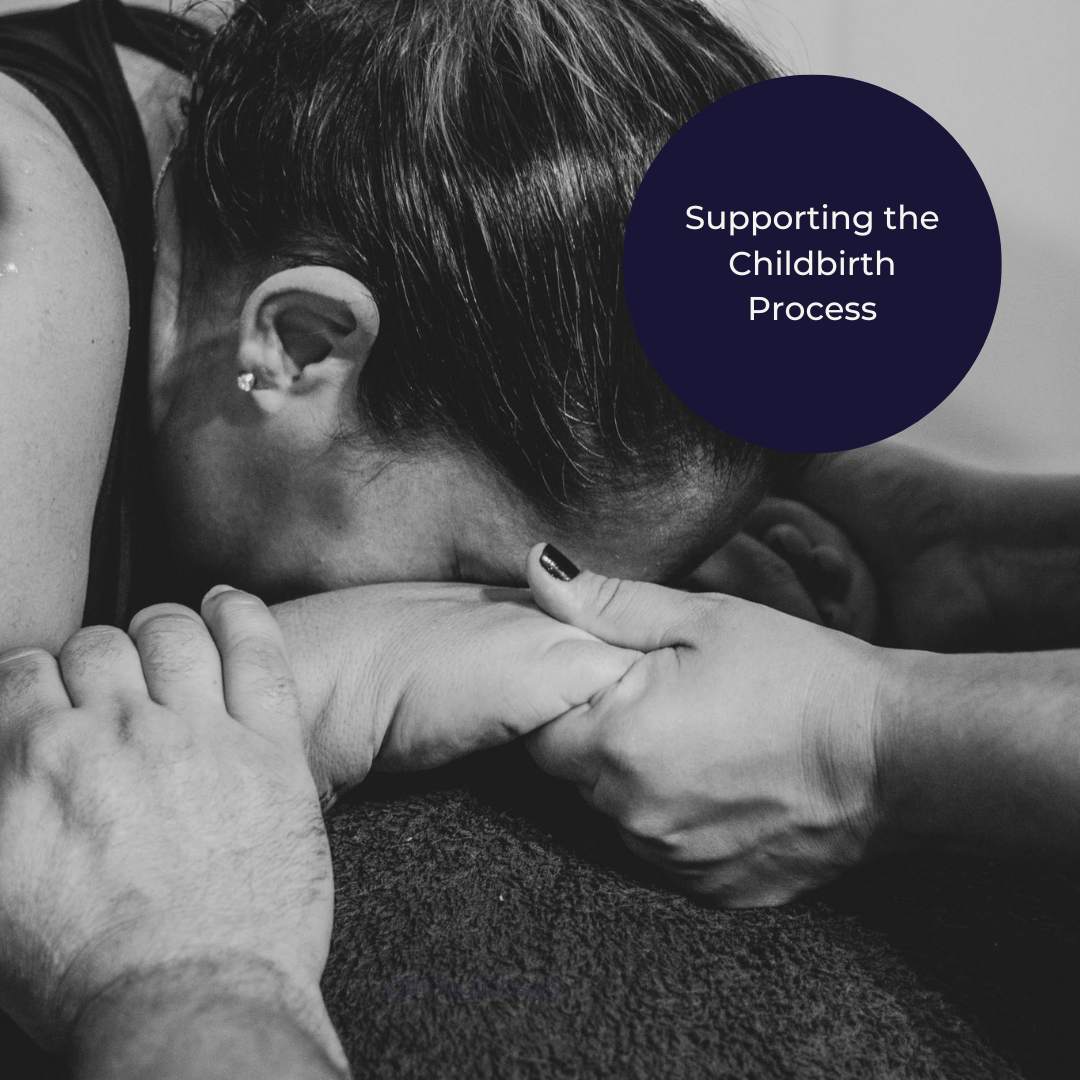
Supporting the Childbirth Process

Supporting the childbirth process

A Guide to Helping Parents Bring New Life into the World

Supporting the childbirth process: A Guide to Helping Parents Bring New Life into the World

Childbirth is one of the most significant moments in a parent’s life. While it is a natural process, it can also be physically and emotionally challenging. Support during labour and birth plays a crucial role in making the experience more positive and manageable. Whether you are a partner, family member, friend, or birth worker, knowing how to offer the right support can make all the difference.

Understanding the Childbirth Process

Labour typically unfolds in three stages:

  1. First Stage – This is the longest phase, where contractions gradually open the cervix. It includes early, active, and transition phases.
  2. Second Stage – This is when the baby is born as the parent pushes through contractions.
  3. Third Stage – The placenta is delivered, and medical staff ensure the parent’s well-being.

Knowing what to expect at each stage helps supporters provide reassurance and encouragement.

Emotional Support: The Power of Reassurance

A calm and confident presence can ease a labouring parent’s stress. Encouraging words, holding hands, and offering gentle reassurance help them feel safe and supported. Simple phrases like “You’re doing amazingly” or “I’m right here with you” can be powerful.

It’s also important to respect their preferences. Some may want quiet, while others benefit from verbal motivation. Being attentive to their needs ensures they feel in control and cared for.

Physical Comfort Measures

There are many ways to provide physical comfort during labour:

  • Massage and Touch – Gentle back rubs, counter-pressure on the lower back, or a warm hand on the shoulder can relieve tension and discomfort.
  • Breathing Techniques – Encouraging slow, deep breaths helps manage pain and anxiety. Practising these beforehand can be helpful.
  • Position Changes – Movement and different positions (such as squatting, standing, or leaning) can ease pain and help labour progress.
  • Hydration and Nutrition – Small sips of water and light snacks (if permitted) help maintain energy levels.

Advocating for the Labouring Parent

In the intensity of labour, communication with medical staff can be overwhelming. A supportive birth partner can help by ensuring the parent’s preferences are respected. This includes reminding healthcare professionals of their birth plan and asking for explanations about medical procedures if needed.

Advocacy does not mean making decisions on their behalf but rather ensuring they feel informed and empowered. Respecting their choices is essential for a positive birth experience.

Managing Pain: Options and Encouragement

Pain relief choices vary for every person. Some prefer natural methods, while others opt for medical pain relief such as gas and air, pethidine, or an epidural. Supporting their decision, without judgement, is crucial.

If they choose to avoid medication, distraction techniques such as music, dim lighting, warm baths, or hypnobirthing practices can help. If they decide on medical pain relief, encouraging them through the process and reminding them that every birth journey is unique can be reassuring.

If you are a birth worker reading this, you might find some of my printable activities helpful for your childbirth education classes and session. Below you’ll find my latest offers:

The Importance of Post-Birth Support

Supporting the childbirth process doesn’t end once the baby is born. The postnatal period is a time of physical recovery and emotional adjustment. Encouraging rest, helping with newborn care, and offering emotional support are just as important after birth as they are during labour.

Small actions, like bringing a meal, holding the baby while the parent naps, or simply listening to their experiences, can make a huge difference. Reassure them that it’s normal to feel a mix of emotions and encourage them to seek support if needed.

Final Thoughts

Supporting someone through childbirth is a privilege and a responsibility. Being informed, compassionate, and adaptable allows you to provide meaningful help. Every birth experience is different, but the right support can make it a more positive and empowering journey for the parent bringing new life into the world.
Posted on Leave a comment

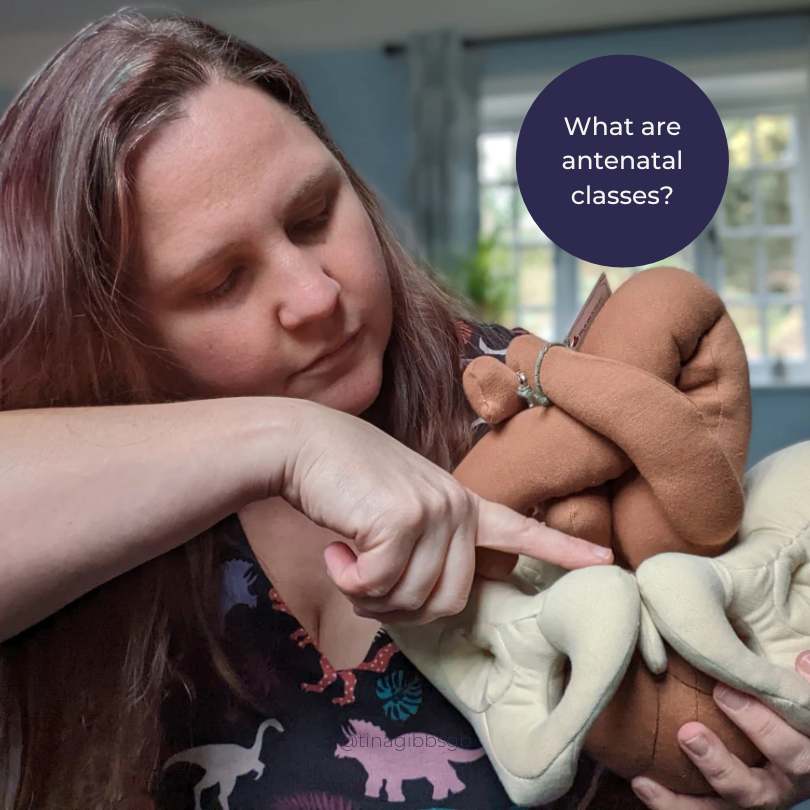
What are antenatal classes?

antenatal classes nottinghamshire

Antenatal classes are educational sessions designed to prepare expectant parents for childbirth and early parenthood. These classes provide valuable information and practical skills to help parents navigate this transformative journey with confidence. While the format and content of antenatal classes may vary, they typically cover topics such as pregnancy health, labour and birth, pain management techniques, self-help techniques, breastfeeding, infant feeding, newborn care, newborn sleep, postnatal/postpartum recovery, postnatal/postpartum depression and postpartum support.

Who goes to an antenatal class?

It is recommended for both parents to attend antenatal classes whenever possible. This allows both partners to gain a comprehensive understanding of the childbirth process and actively participate in decision-making. Attending these classes together can also strengthen the bond between parents, as they learn and share experiences, concerns, and expectations together.

However, while antenatal classes are usually attended by couples or expectant mothers and their birth partners, they can certainly benefit lone parents as well.

Are antenatal classes suitable for lone parents or single parents?

Being a lone parent during pregnancy and childbirth can bring unique challenges and concerns. Antenatal classes can provide a nurturing and supportive environment for lone parents, offering them a chance to connect with other expectant parents and gain essential knowledge and resources. These classes can help lone parents build confidence, develop practical skills, and establish a support network.

Lone parents can learn valuable techniques to manage the physical and emotional demands of childbirth, as well as techniques to promote bonding and create a positive environment for their soon-to-arrive little one.

Furthermore, antenatal classes often cover newborn care, including topics like breastfeeding, nappy changing, bathing, and soothing techniques. For lone parents who may not have immediate family or partners to rely on for support, these classes can be particularly beneficial in equipping them with the knowledge and skills needed to care for their newborn.

It’s worth noting that these educational classes not only provide practical information but also serve as a platform for expectant parents to share their experiences, concerns, and questions. For lone parents, these classes can be a safe space to connect with others who may be facing similar circumstances, fostering a sense of community and reducing feelings of isolation.

In conclusion, antenatal classes can be incredibly valuable for lone parents, offering them education, support, and a network of peers who can empathize with their unique journey into parenthood. Participating in these classes can empower lone parents, helping them feel more prepared and confident as they embark on this exciting new chapter in their lives.

Who provides antenatal classes?

One popular provider is the National Childbirth Trust (NCT). Some NHS trusts and children’s centers also offer classes and your local doulas will be able to help you prepare for the birth of your baby!

Who is Tina Gibbs?

I am an NCT-trained antenatal teacher and now offer antenatal classes in a group or 1:1 setting, in my home, yours or online. My antenatal courses that aim to inform, empower, and connect parents with each other and their baby/babies. I am an experienced antenatal teacher and have supported 1000s of expectant and new parents. While there is a cost associated with my antenatal classes, many parents find the investment worthwhile as they receive evidence-based information, access to a supportive network, and the opportunity to build friendships with other soon-to-be parents.

Book classes or workshops with Tina Gibbs here or contact me to arrange your private group or 1:1 classes.

Are antenatal classes worth it?

Attending antenatal classes, whether through the NCT or other providers, can provide numerous benefits for expectant parents. These classes not only offer valuable knowledge and practical skills but also help alleviate anxiety, increase confidence, and provide a supportive community during this special time. It’s worth considering if you’re seeking comprehensive preparation for the journey ahead.

Please also check out my online course! No videos, just text and images to learn in your own time. Includes hypnobirthing mp3s, scripts, workbook, handouts, infographics and much more! Lots and lots of information at your fingertips! Includes:

  • hypnobirthing mp3s
  • hypnobirthing scripts
  • written information
  • infographics and other imagery
  • printable handouts
  • printable workbook/journal

Posted on 2 Comments

The BRAIN Acronym for Childbirth

The BRAIN Acronym can help you make informed decisions for your childbirth experience and beyond. It is a powerful tool to prepare and plan for any event including your pregnancy, birth and parenting.

What does the acronym stand for?

The word “BRAIN” in this context is an acronym that stands for several key factors:

Benefit: Consider the potential advantages and gains that can be obtained from a particular decision. Assess the positive outcomes and how they align with your goals and objectives.

Risks: Take into account the potential risks and drawbacks associated with the decision. Identify and evaluate any potential negative consequences and assess their impact.

Alternatives: Explore and analyze alternative options. Consider different approaches or solutions that might achieve similar or even better results.

Intuition: What is your gut telling you? How do you feel about each of the options?

Nothing/Necessity: Determine the necessity and urgency of making the decision. Evaluate whether it is crucial to act promptly or if it allows for further consideration and evaluation. What happens if we/I do nothing? Have we/I got time to sleep on it?

By using the brain acronym as a decision-making tool you can ensure that your decisions are well-considered, comprehensive, and aligned with your goals and objectives as well as your individual preferences.

Download my Informed Consent Handout here.

How can I use the BRAIN Acronym for Childbirth?

Here is one example of how you may use the BRAIN tool for you birth planning/decision-making:

Example – Induction of labour

Benefits

  • A method of bringing on the labour when your baby needs to be born soon(er) due to risk to them or you. NOTE: induction of labour often takes more than one day!
  • The baby can be born at a time when specialist attention and facilities are available. For example, paediatrician for ‘at-risk’ babies.
  • Social reasons: being able to “control” the time/date of birth a little more and being able to plan childcare etc around it a little better. NOTE: induction of labour often takes more than one day!

Risks

  • Unless your body is ready to birth, the progress will be slow. It can take several days to start working and you may need a Caesarean Birth if the induction process doesn’t proof efficient
  • Partners are not always “allowed” to stay for the whole duration of the induction process. Often they can only be there during the official or slightly extended visiting hours. So you may be “on your own” for a while.
  • It can be very uncomfortable for quite some time and you may need more pain relief compared to a spontaneous onset of labour.
  • Higher likelihood of an instrumental birth using a vacuum or forceps. As a result of increased use of epidural.
  • Increased risk of above-average blood loss.
  • Overstimulation of the uterus, increasing the risk of causing stress to you and baby
  • Overriding of your body’s natural production of oxytocin (the hormone of love, labour and lactation). This results in decreased release of your natural oxytocin in response to your baby suckling at the breast. Furthermore, this can lead to difficulty establishing lactation in the first few days postpartum.

Alternatives

  • Natural induction methods such as – nipple stimulation, spicy food, eating dates, hypnosis or acupuncture.
  • Caesarean birth
  • Increased monitoring of the baby and wait on spontaneous labour

Intuition

How does the thought of having an induction make you feel? Are you comfortable with this option?

Nothing

What happens if I do nothing and just wait? Depending on the reason(s) why an induction is offered to you the risks can vary. Ask your healthcare provider about your specific risks to you and your baby. Find out how much time you have got to think about it. Is this an emergency? Can we get a second opinion and/or sleep on it? Ask the question “What happens if we wait?”.

When creating your birth plan or making other decisions, remember to ask the questions. And importantly use your BRAIN decision making tool to make informed decisions and choices which are right for you and your childbirth experience!

Sources and Further Reading
Posted on Leave a comment

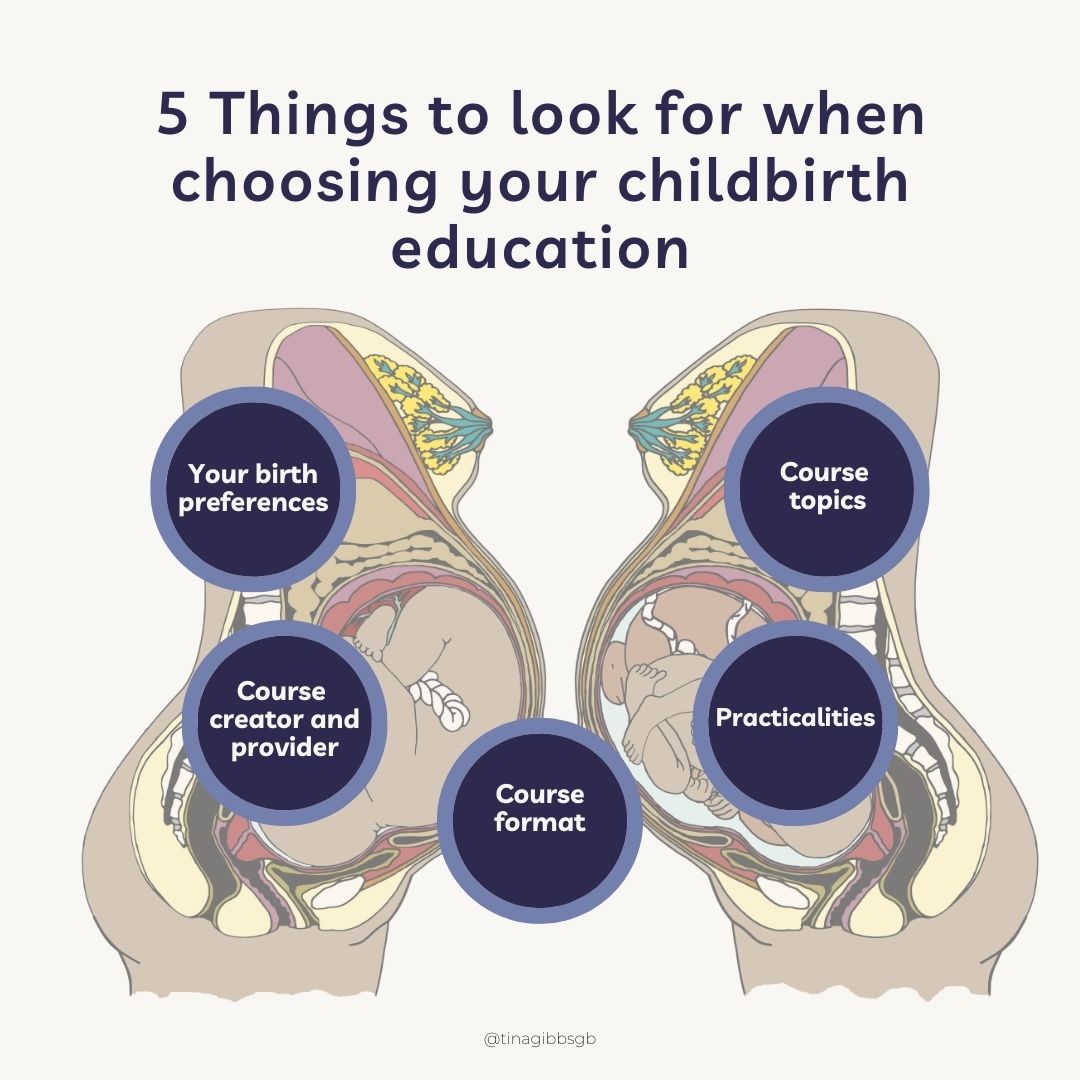
5 Things to look for when choosing your childbirth education

5 things to look for when choosing your childbirth education

You want to be prepared to for the birth of your baby or babies. Here are 5 Things to look for when choosing your childbirth education!

As the birth of your baby approaches, you may have a lot of questions. What does a contraction wave feel like? How will I know when to call the midwife? What kind of breathing techniques can I use? How do I know when it is time to push?

You may also experience a range of emotions such as excitement, nervousness, stress, and even anxiety. The good news are, you can ease your fears and gain confidence in birthing your child when you prepare for the birth of your child. Choosing the right type of childbirth course for you (and your partner) is crucial. Your childbirth preparation course should give you practical knowledge about the physiology of birth as well as where to find practical and emotional support.

5 Things to look for when choosing your childbirth education

1. Does the course agree with your idea on childbirth?

Whether you are you planning for a vaginal birth, caesarean birth, waterbirth, homebirth, etc… you want to ensure that your chosen childbirth education course supports your wishes and preferences. How you choose to give birth is up to you.

Knowing the general philosophy of the birth course you are considering is essential. The techniques that you’ll be learning should be something that you can see yourself doing and something that you believe in. The techniques should support you to achieve the birth you are aiming for.

2. Which topics are covered during the course?

If this is your first birth experience, your childbirth preparation course should cover everything your need to know about your options and what to expect. If you have given birth before, then you may wish to choose a refresher course for you. You may also wish to prepare the older sibling(s) for the birth of their little brother or sister. Learning the about childbirth may lessen your anxiety and help you make informed choices when birthing your baby. Choosing the wrong type of course for you may increase anxieties, so choose your childbirth course and their leader carefully.

3. Who created the course?

Who created the childbirth preparation course? Are they a medical professional or a teacher? Are they an expert in childbirth education? Check their certifications and experience! You want the person and organisation offering your childbirth preparation course to be established and reputable. Ask them to show you proof of their qualification(s).

4. What format is the course in?

Check the format of the course. You may prefer a course which focuses on the birth only, or one that includes practical baby care. If you are interested in hypnobirthing, does the course include hypnobirthing or maybe you prefer a stand-alone hypnobirthing course.

Are partners also coming to the classes or learn anything during the course or is the course for mothers/birthing folks only? Which format do you prefer?

5. Practical things to consider

  • Where and when is the course held? Are the dates, time and venue convenient for you?
  • What is your budget? What are your options at your budget?
  • For an in-person course
    • is there parking available or is it easily accessible via public transport?
    • Is the venue clean and spacious?
    • What are the chair/seating arrangements like? Do you want/need to bring a birthing ball, cushions etc.?
    • Are refreshments included?
    • Accessibility of the venue (where needed)
  • For an online course
    • are you confident in using the platform the course is being offered on?
    • is it a live course or has live elements or is it fully self-paced? – for live elements: are they recorded? If not can you make all the sessions?
    • Is your internet connection reliable?
    • Have you got a pc or laptop to access the course on? This will make your online course a more positive experience.
    • Have I got a comfortable (seating) setup where I can join the online childbirth preparation course?

What type/style of childbirth preparation course you choose is entirely up to you! Use your B.R.A.I.N. acronym when choosing the right course for you:

Brain acronym

What are the benefits, risks (or repercussion), alternatives (for each option)? Trust your gut, your intuition. And think about how you might feel if you do nothing, i.e. you don’t choose a childbirth preparation course?

If you are looking for a childbirth preparation course (1:1) in Nottinghamshire, check out my offers. I also have a fully self-paced online course for just £35. Including hypnobirthing, mp3s and much, much more!

Online Birth Preparation Course only £35!

Please also check out my online course! No videos, just text and images to learn in your own time. Includes hypnobirthing mp3s, scripts, workbook, handouts, infographics and much more! Lots and lots of information at your fingertips! Includes:

  • hypnobirthing mp3s
  • hypnobirthing scripts
  • written information
  • infographics and other imagery
  • printable handouts
  • printable workbook/journal

Posted on 1 Comment

7 ways to personalise your Caesarean birth

7 ways to personalise your Caesarean birth

You have chosen to have a caesarean birth. Here are 7 ways to personalise your Caesarean birth, to help you plan the birth you want and deserve!

Hypnobirthing yes, you can use hypnobirthing, mediations, mindfulness and relaxations to your advantage during and in preparation for your caesarean birth. Practice your calm breathing techniques, positive affirmations for birth and your bonding with your baby techniques. The calmer you are, the more oxygen goes to your baby or babies and your recovery after Caesarean will also be improved. Hypnosis also has a positive impact on your mental wellbeing during pregnancy and in the postpartum period.

Skin to skin. Immediate skin to skin contact for baby with one of their parents helps your baby with regulating their temperature, spreads good bacteria etc. It’s all around beneficial! The good news is, that most hospitals in the UK support immediate skin to skin with mother/birthing parent and baby after any method of birth as long as it is safe to do so. So if you and your baby are well, the cord is long enough (it usually is!) then, you can have immediate skin to skin!

Optimal or delayed cord clamping. Optimal cord clamping or delayed cord clamping allows the flow of your baby’s blood from their placenta to them. This results into better apgar scores and improves your baby’s overall immediate and later health! Most hospitals in the UK will support delayed or optimal cord clamping for any type of birth including caesarean births.

Adapt the environment. Have your partner or doula there (some hospitals will support you to have two birth partners present in the theatre), choose your music. Some mothers/birthing parents chose headphones to cancel out the noises of the surgery. You can listen to your hypnobirthing tracks or have your partner repeat your affirmations with you.

Stay calm – more oxygen to baby, better recovery. Try and use anything which keeps you calm. This can be your partner, your doula, your relaxations, your music, or maybe a photograph of a loved one or pet. The calmer you are, the lower the blood loss, more oxygen for your baby or babies and your recovery time improves.

Vaginal seeding. Vaginal seeding refers to the practice of inoculating a cotton gauze or cotton swab with vaginal fluids to transfer the vaginal flora to the mouth, nose, or skin of your newborn baby. Your midwife will take a piece of gauze that’s been soaked in a sterile solution. This will then be inserted into your vagina, ideally around an hour before your caesarean birth is due to take place. Some parents choose to do vaginal seeding and some hospitals in the UK will support you with that. Another way to improve your baby’s microbiome is to focus on breastfeeding and lots of skin-to-skin.

Ask for/about gentle caesarean – family centered caesarean birth many hospitals in the UK offer gentle caesarean births or family centred caesarean births. During a gentle caesarean the baby or babies are allowed to be born in their own time. Rather than the obstetrician pulling the baby out, the uterus, aided by synthetic oxytocin, will contract the baby or babies out of the womb. This is usually accompanied by immediate skin-to-skin and optimal cord clamping.

Here is an article on a gentle caesarean birth story: https://www.theguardian.com/society/2005/dec/03/health.medicineandhealth

Here is a video of a gentle caesarean at one of my local hospitals in Nottinghamshire:

Knowledge. Knowledge, knowing your options, finding out what is happening during your caesarean, will enable you to plan the perfect experience for you. Discuss your options with your healthcare provider and ask them about skin-to-skin, optimal cord clamping, adaptation of the birth environment etc.

Planning your Caesarean Birth if you would like someone to walk alongside you when planning your Caesarean Birth, book a birth planning session with me! I can provide you with evidence-based information and help you plan your birth experience!

Have a look at the video below. It shows you the number of people who are present during your caesarean birth.

These are just 7 ways to personalise your Caesarean birth. I am sure you can think of a few more. Please share your ideas and experiences with us in the comments!

Newsletter for expectant and new parents

Online Birth Preparation Course only £35!

Please also check out my online course! No videos, just text and images to learn in your own time. Includes hypnobirthing mp3s, scripts, workbook, handouts, infographics and much more! Lots and lots of information at your fingertips! Includes:

  • hypnobirthing mp3s
  • hypnobirthing scripts
  • written information
  • infographics and other imagery
  • printable handouts
  • printable workbook/journal

Sources and Further Reading:

http://www.caesarean.org.uk/

Ginandes C, Brooks P, Sando W, Jones C, Aker J. Can medical hypnosis accelerate post-surgical wound healing? Results of a clinical trial. Am J Clin Hypn. 2003 Apr;45(4):333-51. doi: 10.1080/00029157.2003.10403546. PMID: 12722936.

Hourigan SK, Dominguez-Bello MG, Mueller NT. Can maternal-child microbial seeding interventions improve the health of infants delivered by Cesarean section? Cell Host Microbe. 2022 May 11;30(5):607-611. doi: 10.1016/j.chom.2022.02.014. PMID: 35550663; PMCID: PMC9237654.

Smith J, Plaat F, Fisk NM. The natural caesarean: a woman-centred technique. BJOG. 2008 Jul;115(8):1037-42; discussion 1042. doi: 10.1111/j.1471-0528.2008.01777.x. PMID: 18651885; PMCID: PMC2613254.

Wilson, Brooke C. et al. (2021) Oral administration of maternal vaginal microbes at birth to restore gut microbiome development in infants born by caesarean section: A pilot randomised placebo-controlled trial. eBioMedicine, Volume 69, 103443. Available at: https://www.thelancet.com/journals/ebiom/article/PIIS2352-3964(21)00236-X/fulltext [accessed: 03/04/2023]

Posted on Leave a comment

Birth Trauma is real!

Your birth trauma is real. Sadly, we live in a country (UK) where the maternity system is broken. Induction, Caesarean birth and assisted birth rates are rising, and so is the number of parents who are experiencing birth trauma.

What is Birth Trauma or postnatal PTSD?

There are four main symptoms:

  • Avoiding anything or anyone that reminds you of the trauma. This could be avoiding other parents with babies, or going to or driving/walking past the place you gave birth.
  • Re-experiencing the traumatic event through nightmares, flashbacks or intrusive memories which make you feel panicky or distressed.
  • Feeling hypervigilant which means that you are constantly alert, jumpy and irritable. You are worried that something bad may happen to your baby.
  • Feeling low and unhappy. Or maybe feeling guilty and blame yourself for your traumatic birth experience. You may also have difficulty remembering parts of your birth experience.

Not everyone who has had a traumatic experience suffers from PTSD. Whenever we experiencing a trauma, PTSD is a common response. It is involuntary, you cannot help it. It cannot be cured by “snapping out of it” or “focusing on the positive”.

Maybe you are reading this because your birth trauma is preventing you (and/or your partner) from trying for another baby? Or are you reading this because some people tell you to “snap out of it”? Or maybe, you cannot sleep or feel you cannot love your baby because of your traumatic birth experience?

You are not alone! Your birth trauma is real. Research shows that about 4-5% of women/parents who give birth develop PTSD. Fathers and partners can develop PTSD as a result of witnessing a traumatic birth, too.

How can you help yourself and others to overcome birth trauma?

Have a look at the Birth Trauma Association (BTA) there are many examples on where and how to get help, including their support group or getting psychological help. Talk to professionals such as

  • Your GP
  • Your midwife
  • Your health visitor
  • A counsellor

Or talk to non-professionals such as

There may be families in your area who have experienced birth trauma, too and are happy to talk to you about your and their experience. The BTA has a forum where you can ask for local volunteers or peers.

Another wonderfully supportive option is Sheryl aka The Healing Birth Doula. If you are lucky enough to be local to her, then you can access her in-person support and learning. However, she also offers online learning including an online course.

Pregnant again after birth trauma?

If you are here because you are pregnant again after experiencing birth trauma, here are some suggestions on how to help you enjoy your pregnancy and start to look forward to the birth of your baby.

Although there is no “quick fix” for you there are plenty of options. It is important that you talk to someone. Maybe a doula or hypnobirthing practitioner would be the most helpful. They can work with you on what happened during your previous birth, help you get closure to be then ready to move on and plan this new birth experience.

To access a practitioners who is trained in the 3-step-rewind technique can also help you heal.

In short,

  • work through previous birth (3-step-rewind technique)
  • acknowledge it is in the past
  • find closure for the previuos birth
  • acknowledge this is a completely new baby and new experience
  • start writing down your birth preferences and what if ideas
  • start to look forward to your new birth experience

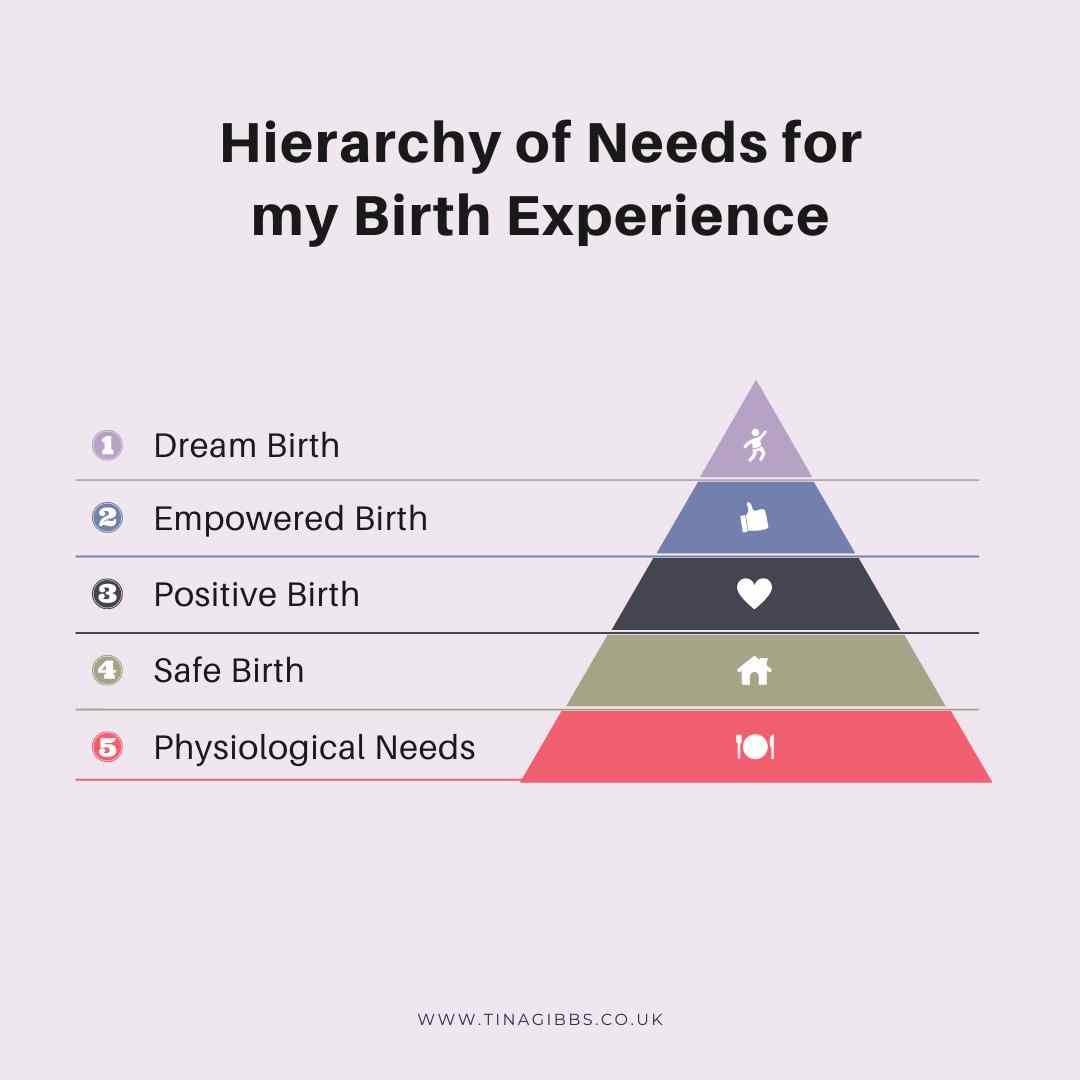
Your steps towards an empowered or dream birth experience are shown in the image below.

My online course to help you prepare for the birth of your baby!

Please also check out my online course! No videos, just text and images to learn in your own time. Includes hypnobirthing mp3s, scripts, workbook, handouts, infographics and much more! Lots and lots of information at your fingertips! Includes:

  • hypnobirthing mp3s
  • hypnobirthing scripts
  • written information
  • infographics and other imagery
  • printable handouts
  • printable workbook/journal
Posted on Leave a comment

Induction for a big baby?

Induction for a big baby and what has a hamster got to do with birth?

If you have listened to @themidwivescauldron back in November 2021 or follow Dr Sara Wickham, you probably know already. The Cochrane review on macrosomia (big baby) in 2016 showed that the difference in birth weight between the two groups: 1. Induced early 2.
The spontaneous onset of labour/birth was 178g. The difference is equivalent to the size of a hamster 🐹 or a medium-sized pear 🍐 (see Sara Wickham’s book ‘In your own time’ for more!). This should make your ‘big’ baby seem less big and scary.

However, it is your body, your baby your choice! If you fell that an induction or caesarean birth is right choice for you then that is what you should choose. Your doula or perinatal educator will support you all the way to make the right decision for you and your baby and as well supporting your choices! However, chances are you are reading this because you feel and that an induction of labour (or Caesarean birth) for a big baby is not what you want.

How can you decide whether to have an induction for a big baby or not?

The aim of the induction for big baby is to reduce the chance of ‘baby getting stuck’ (shoulder dystocia). In the majority of cases, shoulder dystocia does not result in any long term issues. Here is a printable version of the Cochrane – Pregnancy and Childbirth where you can have a look at their findings to help you make the right choice for you and your baby!

What are the reasons for declining and induction for a big baby?

If the size of your baby was the only reason, then you may wish to decline the induction of labour.

Reason #1 for the recommendation of induction is the assumption that big babies are at higher risk for getting stuck (shoulder dystocia). In reality, 7-15% of big babies have difficulty with the birth of their shoulders, most of these cases are handled by your midwife or obstetrician without any harmful consequences for your baby. Statistically In 1 out of every 555 babies who weigh between 8 lbs., 13 oz. and 9 lbs., 15 oz., and 1 out of every 175 babies who weigh 9 lbs., 15 oz. or greater, permanent nerve injuries due to stuck shoulders happen.

Interestingly, people with high blood sugar levels during pregnancy are at increased risk of shoulder dystocia during childbirth even when their baby is not considered big. This is because their baby’s weight can be distributed differently when their mother/parent has high blood sugars. Problems are more likely to occur if the baby’s head size is relatively small compared to the size of its shoulders and abdomen. (Kamana et al. 2015).

BUT can we really tell how big your baby is?

How accurate are the baby sizing scans or palpation? In short, both, scans and palaption are equally inaccurate/bad at predicting your baby’s size.

For the scan accuracy % check out table 3 in this article (see a copy below). It shows that the accuracy of ultrasound scan at preterm vs. term gestational age, with scan performed within three days before birth preterm (before 37 weeks) or term (37+ weeks).

Proportion of error within±10%±15%±20%
Gestational age at scan:
 <37 weeks69.685.691.9
 ≥37 weeks72.889.695.9

To find out more and read in more depth about induction for big babies, I recommend:

Newsletter for expectant and new parents

Online Birth Preparation Course only £35!

Please also check out my online course! No videos, just text and images to learn in your own time. Includes hypnobirthing mp3s, scripts, workbook, handouts, infographics and much more! Lots and lots of information at your fingertips! Includes:

  • hypnobirthing mp3s
  • hypnobirthing scripts
  • written information
  • infographics and other imagery
  • printable handouts
  • printable workbook/journal
Posted on Leave a comment

Free Pregnancy Checklist

You are pregnant! Congratulations. Now is the time to get organised. This pregnancy checklist is a gentle reminder of your options, recommendations and appointments…

WhatWhen
The recommendation is to start taking Folic Acid and Vitamin D supplementsAs soon as you found out that you are pregnant
Register with your community midwife. Check with your GP surgery on how to do that.Before week 7
Booking appointment (First appointment) with your community midwifeBetween 8-12 weeks
Get and sign your maternity exemption certificate (free prescriptions and dental appointments)At your booking appointment
Ask your midwife about Healthy Start Vouchers and check if you are eligibleAt booking appointment
First ultrasound offered (dating scan)Around 12 weeks
Second ultrasound offered (anomaly scan)Around 20 weeks
Book your antenatal classesBetween 12 and 22 weeks
Get your Mat-B1 certificate from your community midwifeBetween 22-25 weeks
If you are employed: Inform your employer in writing incl. your Mat-B1 certificate about your maternity leave plans If you are unemployed or self-employed: Find out if you’re eligible for Maternity AllowanceMust be 15 weeks before your due date – Between 22-25 weeks
Find out if you are eligible for a sure start maternity grantAround 29 weeks
Check out your local maternity services. See if you can book a visit or if they have a virtual tour…Around 30 weeks
Start writing your birth preferences and include some “what if…” options (birth plan)Around 30 weeks
Start packing your birth bagsFrom 30 weeks
Start practising your hypnobirthing techniques at least once a dayFrom 30 weeks
Arrange care plans for pets and older siblings or any other care commitmentsFrom 30 weeks
Create your important contact lists and contact preferences and share with your (birth) partner or doula (where applicable)From 32 weeks
Create your birth playlistFrom 34 weeks
Create your birth vision boardFrom 34 weeks
Create your birth affirmationsFrom 34 weeks

Contact your midwife or healthcare professional if you

  • think your contractions have started
  • feel that your waters have broken
  • experience any bleeding in pregnancy
  • feel a change in your baby’s usual movements
  • want reassurance about anything in your pregnancy

Download your free printable Pregnancy Checklist

Newsletter for expectant and new parents

Online Birth Preparation Course only £35!

Please also check out my online course! No videos, just text and images to learn in your own time. Includes hypnobirthing mp3s, scripts, workbook, handouts, infographics and much more! Lots and lots of information at your fingertips! Includes:

  • hypnobirthing mp3s
  • hypnobirthing scripts
  • written information
  • infographics and other imagery
  • printable handouts
  • printable workbook/journal
Posted on 2 Comments

Informed decision-making for birth

Why is Informed decision-making for birth so important?

Often, pregnancy is a woman’s or pregnant person’s first significant introduction to the healthcare system. Suddenly, you have to make all sorts of decisions for you, your baby and your family unit. You’ll be faced with difficult choices around your healthcare during your pregnancy and birth. Often you’ll be influenced by healthcare professionals, your family and friends, media, social media, books, memories, etc. All claiming to know what’s best for you and your baby and in the end leaving you torn…

Whatever choices you are contemplating, you can positively impact your ability to make informed choices you’ll be happy with and you’ll feel empowered by. You can help yourself making informed decisions for your birth.

One frequently used acronym in childbirth education or hypnobirthing classes is BRAIN(S) or BRIAN. Here is a visual to help you remember it:

meet brian

BRIAN aka BRAIN is a simple acronym to help you in gathering all the information you need to make informed decisions about your own and your baby’s health care. When you join my hypnobirthing classes you’ll get to meet BRIAN (my weighted baby doll). We will help you with your informed decision-making for birth! 

Alternatively, if you prefer a self-paced online course, you can now enrol in my online childbirth preparation course. The online course includes all my antenatal mp3 recordings, the scripts as well as a 20 page printable workbook!

Benefits:
What are the benefits of the treatment/procedure/etc? Is this what is usually done? How do the usual benefits apply to your personal, individual care?

Risks:
Are there any risks? What risks are there with the treatment/procedure/etc? Is this what is usually done? How do these apply to your personal and individual care?

Intuition:
How do you feel about the treatment/procedure/etc. offered? What does your gut tell you?

Alternatives:
What are the alternatives? Where can I get a second/third opinion?

Nothing:
What would happen if I do nothing? Is it an emergency? How much time have we got to think about it? Do we have to make a decision now?

With this simple and memorable acronym you can make informed decisions without having to memorise or read all the available statistics and research. You will feel more in control of the birth as well as more empowered and happier with your individual birth experience.

And that’s why informed decision-making for childbirth is so important.