Posted on Leave a comment

Starting Solids: The Benefits of Using a Meal Planner and Food Diary for Weaning

Weaning food diary

Introducing solids is one of the most exciting milestones in your baby’s first year. It’s a time filled with curiosity, mess, and a whole new world of tastes and textures. However, it can also be a bit overwhelming. With so many questions—What should I feed my baby? How much should they eat? Are they getting a balanced diet?—it’s easy to feel uncertain. This is where a meal planner and food diary can become your best allies in the weaning journey.

Why Consider a Meal Planner?

1. Ensures Variety and Balanced Nutrition A meal planner helps you ensure that your baby is receiving a variety of foods, which is essential for balanced nutrition. Babies need a mix of fruits, vegetables, proteins, and grains to develop healthily. By planning meals in advance, you can make sure your baby gets a good mix of nutrients each week, and you can avoid repetitive meals that might limit their exposure to different foods.

2. Saves Time and Reduces Stress Planning meals ahead of time can significantly reduce the daily stress of deciding what to feed your baby. With a meal planner, you’ll know exactly what you’re preparing each day, which can save you time and make shopping easier. It’s also a great way to ensure you’re always prepared, even on those busy days when things don’t go to plan.

3. Helps Identify Allergies and Preferences Introducing solids is also the time when potential allergies might become apparent. By planning and documenting what foods are introduced and when, you can more easily identify if any particular food causes a reaction. A meal planner also helps you track your baby’s preferences, so you can see which foods they enjoy and which might need a bit more time.

The Advantages of a Weaning Food Diary

1. Tracks Your Baby’s Progress A food diary is an excellent tool for tracking your baby’s weaning journey. It allows you to document what they’ve eaten, how much they’ve eaten, and their reactions to different foods. Over time, this record will give you a clear picture of your baby’s likes, dislikes, and overall progress with solid foods.

2. Supports Healthy Eating Habits Recording your baby’s meals can help you establish healthy eating patterns from the start. You can monitor portion sizes and ensure your baby is getting regular meals and snacks throughout the day. This consistency is key to developing a healthy relationship with food as they grow.

3. Useful for Health Appointments Bringing a food diary to health visitor appointments can be incredibly helpful. It provides a clear record of what your baby has been eating, which can be useful if you have any concerns about their nutrition, growth, or any possible food intolerances. Health professionals can offer tailored advice based on the detailed information you provide.

4. Reflects on Your Weaning Journey A food diary is not just practical—it can also be a lovely keepsake. Looking back on those first foods, the messy meals, and the milestones like the first time they fed themselves can bring back fond memories. It’s a personal record of an important phase in your baby’s life.

How to Get Started

1. Find the Right Tools There are many meal planners and food diary templates available online, or you can create your own. Some parents prefer paper-based diaries, while others use apps for convenience. Choose what works best for you and your lifestyle.

2. Keep it Simple You don’t need to plan elaborate meals or write detailed diary entries. Simple notes about what your baby ate, how much they ate, and any reactions or preferences are enough to start with. The key is consistency.

3. Make it a Routine Incorporate meal planning and food diary updates into your weekly routine. Set aside a time that works for you—perhaps on a Sunday evening—to plan the week’s meals and review your baby’s progress.

4. Be Flexible Babies are unpredictable, and your plans might not always go as intended. It’s important to remain flexible and adapt as needed. If your baby doesn’t like a food one week, don’t worry—try again later. The goal is to make the weaning process as smooth and enjoyable as possible.

Download my weaning food diary here.

food diary meal planner starting solids baby weaning

Final Thoughts

Starting solids is a big step for your baby, and using a meal planner and food diary can make the journey more manageable and enjoyable for both of you. These tools provide structure, reduce stress, and ensure your baby gets the balanced diet they need to grow and thrive. Plus, they offer a wonderful way to track and cherish these precious firsts.

So why not give it a try? With a little planning and documentation, you can navigate the weaning journey with confidence and peace of mind.
Posted on Leave a comment

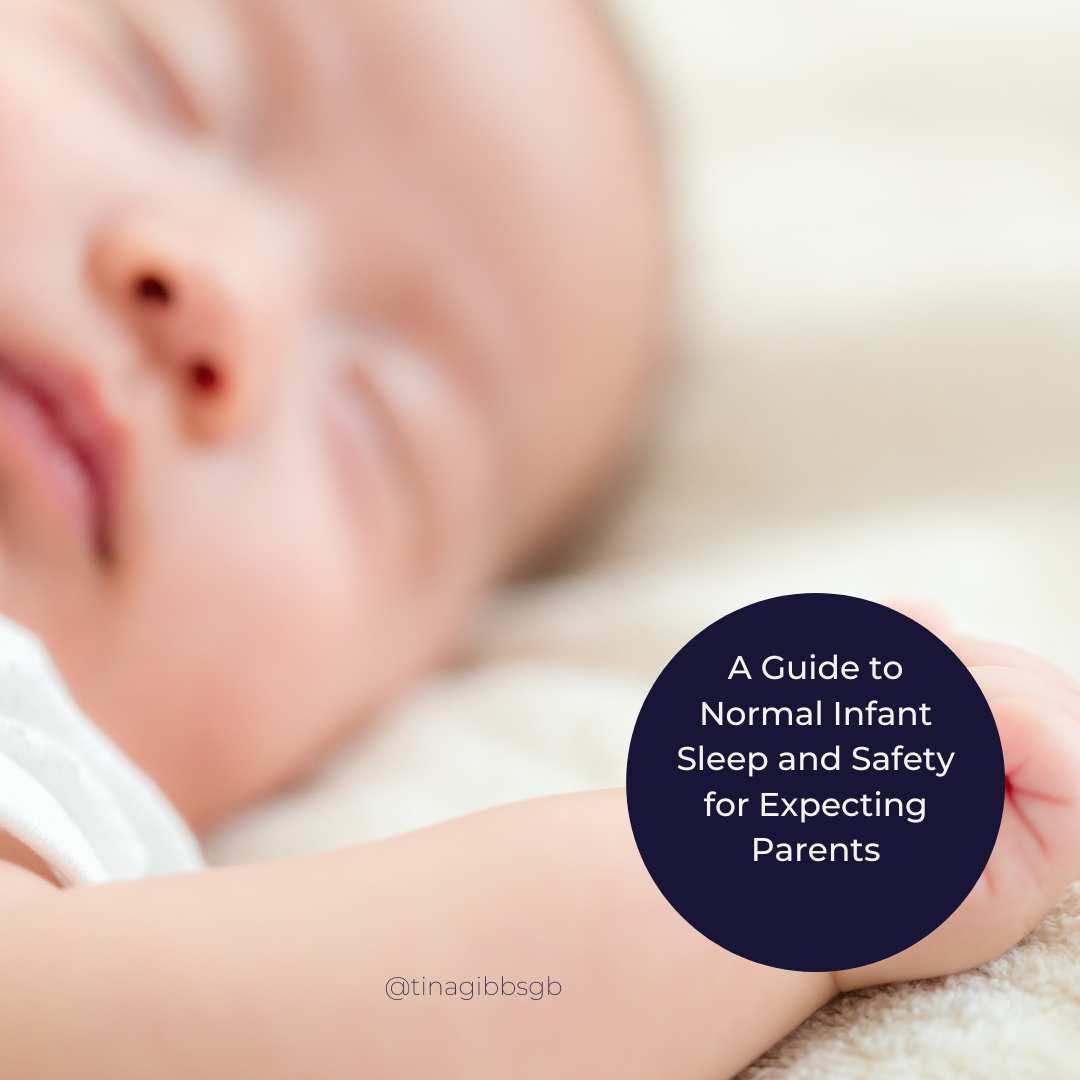
A Guide to Normal Infant Sleep and Safety for Expecting Parents

Congratulations! You’re embarking on one of life’s most incredible journeys – parenthood. As you eagerly await the arrival of your little one, it’s essential to prepare yourself for the reality of sleepless nights that often come hand in hand with the joys of new parenthood. Understanding normal infant sleep patterns and prioritising sleep safety is crucial for your baby’s well-being and your own peace of mind.

Normal Infant Sleep

What is normal infant sleep? Infants have unique sleep patterns that may seem perplexing at first. But rest assured, it’s entirely normal for babies to wake frequently during the night, as their tiny tummies require regular feeding. Newborns typically sleep for 14-17 hours a day, often in short bursts of 2-3 hours at a time. Over time, their sleep patterns will gradually evolve, with longer stretches of sleep emerging as they grow.

Sleep Safety Tips from the Lullaby Trust

The Lullaby Trust provides invaluable guidance to ensure your baby sleeps safely:

  1. Always place your baby on their back to sleep, for both naps and nighttime sleep.
  2. Share your room with your baby for the first six months, but avoid bed-sharing if you or your partner smoke, have consumed alcohol, or if you feel excessively tired.
  3. Keep your baby’s sleep environment clear of pillows, blankets, toys, and any loose bedding.
  4. Ensure your baby’s cot meets current safety standards and has a firm, flat and waterproof mattress.
  5. Maintain a comfortable room temperature, ideally between 16-20°C, to prevent overheating.
  6. Consider using a baby sleeping bag or swaddle to keep your little one snug without the risk of loose bedding.
  7. Avoid smoking, alcohol, or drug use during pregnancy and after birth, as these increase the risk of Sudden Infant Death Syndrome (SIDS).
  8. Breastfeeding, if possible, has been shown to greatly reduce the risk of SIDS.
  9. Ensure your baby’s head remains uncovered during sleep.

Coping with Less Sleep

  1. Prioritise sleep – let go of non-essential tasks and focus on getting as much rest as possible.
  2. Share the load – enlist the help of your partner, family, or friends to take turns caring for your baby during the night.
  3. Create a bedtime routine – establishing a consistent bedtime routine can help signal to your baby that it’s time to sleep.
  4. Accept help – don’t be afraid to accept offers of support from loved ones, whether it’s a home-cooked meal or an hour of babysitting.
  5. Stay hydrated and nourished – fuel your body with nutritious foods and plenty of water to help combat fatigue.
  6. Lower your expectations – embrace the chaos of parenthood and let go of the idea of perfection.
  7. Seek support – connect with other parents going through similar experiences, either in person or online.
  8. Practice self-compassion – be kind to yourself and remember that it’s okay to feel tired and overwhelmed at times.
  9. If you can rest or nap when your baby naps – forget about chores and embrace rest whenever you can.
  10. Remember, this phase is temporary – while it may feel never-ending, the sleepless nights will eventually pass, and you’ll emerge stronger and more resilient than ever before.

You can learn more about infant sleep and find support at BASIS – Baby Sleep Info Source. They have articles and research about normal infant sleep patterns and development and so much more to offer. Check out their site!

As you prepare to welcome your little bundle of joy into the world, keep these tips in mind to navigate the early days of parenthood with confidence and grace. Cherish the precious moments with your newborn, and remember that a well-rested parent is better equipped to care for their baby. Wishing you a smooth transition into parenthood and many restful nights ahead!

Online Birth Preparation Course only £35!

Please also check out my online course! No videos, just text and images to learn in your own time. Includes hypnobirthing mp3s, scripts, workbook, handouts, infographics and much more! Lots and lots of information at your fingertips! Includes:

  • hypnobirthing mp3s
  • hypnobirthing scripts
  • written information
  • infographics and other imagery
  • printable handouts
  • printable workbook/journal
Posted on Leave a comment

Umbilical Cord Ties or Clamps what do you prefer?

Umbilical Cord Ties or Clamps

In the process of giving birth, even the smallest things are important, like how the umbilical cord is managed after the baby is born. Lately, there has been more interest in using umbilical cord ties instead of the plastic clamps that doctors have been using for a long time.

Umbilical Cord Clamps

Umbilical cord clamps have been commonly used by healthcare professionals for a long time. They are usually made of plastic and are used to seal the umbilical cord after it has been cut. This clamp stays in place until the remaining cord stump dries and falls off naturally, which usually happens one to two weeks after the birth of your baby.

Benefits for Healthcare Professionals:

  1. Ease of Application: Clamps are straightforward to apply, making them convenient for healthcare professionals.
  2. Standardization: Clamps offer a standardized method of cord closure, ensuring consistency across different healthcare settings.
  3. Familiarity: Healthcare professionals are well-trained in the application of clamps, reducing the risk of errors during the process.

Benefits for Parents:

  1. Peace of Mind: Parents often find reassurance in the visible presence of the clamp, which serves as a tangible reminder of their newborn’s recent birth.
  2. Low Maintenance: Clamps require minimal maintenance and are designed to remain securely in place until the cord naturally separates. They cannot accidentally come undone.

Umbilical Cord Ties

Umbilical cord ties, typically made of soft material such as cotton, have gained popularity as an alternative to clamps in recent years. They offer a more flexible and gentle approach to cord closure.

Benefits for Healthcare Professionals:

  1. Flexibility: Cord ties provide healthcare professionals with greater flexibility in managing the umbilical cord, allowing for easier positioning and handling during childbirth.
  2. Reduced Waste: Unlike clamps, cord ties are often brought to the birth by the parents and can be carried in reusable containers.

Benefits for Parents:

  1. Comfort: Cord ties are softer and more pliable compared to clamps, reducing the likelihood of discomfort for newborns as they adjust to life outside the womb.
  2. Aesthetic Appeal: Many parents appreciate the aesthetic appeal of cord ties, which can come in a variety of colors and designs, adding a personalized touch to the birthing experience.
  3. More environmentally friendly: Most cord ties are made from cotton which is biodegradable.

Conclusion: Making Informed Choices in Childbirth

In the realm of childbirth, the decision between umbilical cord ties and clamps ultimately depends on individual preferences, healthcare protocols, and medical considerations. While both methods serve the fundamental purpose of securing and sealing the umbilical cord, each offers unique advantages for babies, parents, and healthcare professionals alike.

By making informed choices, you can actively participate in shaping your birth experience and ensuring the health and well-being of your baby from the very first moments of life.

Posted on Leave a comment

10 Eco-Parenting Tips for Raising Earth-Conscious Kids

10 eco-parenting tips

In a world where environmental concerns are becoming increasingly urgent, eco-conscious parenting is more important than ever. As stewards of the planet, parents play a pivotal role in shaping the values and habits of the next generation. Here are 10 eco-parenting tips to help you raise environmentally aware and responsible children.

  1. Lead by Example: Children learn by observing their parents. Demonstrate eco-friendly practices in your daily life, such as recycling, reducing waste, and conserving energy. Your actions will leave a lasting impression on your children and inspire them to follow suit.
  2. Explore Nature Together: Foster a love for the environment by spending time outdoors with your children. Whether it’s a hike in the woods, a day at the beach, or a camping trip, these experiences create a connection to nature and instill a sense of responsibility for its well-being.
  3. Teach the Three Rs: Educate your children about the importance of reducing, reusing, and recycling. Encourage them to be mindful of their consumption by choosing reusable products, avoiding single-use plastics, and repurposing items when possible.
  4. Grow Your Own Food: Cultivate a small garden at home and involve your children in the process. Growing your own fruits, vegetables, and herbs not only reduces your carbon footprint but also teaches kids about the origins of their food and the importance of sustainable agriculture.
  5. Conscious Consumerism: Teach your children about the impact of their purchasing decisions. Encourage them to choose eco-friendly products, support sustainable brands, and understand the value of quality over quantity. Use reusable nappies where you can. By making conscious choices, they can contribute to a more sustainable future.
  6. Energy Conservation: Instill good energy-saving habits in your children from an early age. Turn off lights and electronic devices when not in use, unplug chargers, and consider implementing energy-efficient appliances. Explain the environmental benefits of these practices to help them understand the importance of conservation.
  7. Waste-Free Lunches: Make eco-friendly choices when packing lunches for school. Opt for reusable containers and water bottles, and minimize single-use packaging. Teach your children about the impact of plastic waste on the environment and the benefits of a waste-free lunch.
  8. Embrace Secondhand: Encourage your children to appreciate secondhand items. Whether it’s clothing, toys, reusable nappies or books, buying used reduces the demand for new production and minimizes the environmental impact. Thrifting can also be a fun and sustainable family activity.
  9. Water Conservation: Teach your children about the importance of conserving water. Encourage shorter showers, turning off the tap while brushing teeth, and fixing leaks promptly. Explain how water scarcity affects both the environment and communities around the world.
  10. Environmental Education: Stay informed about environmental issues and share age-appropriate information with your children. Discuss topics such as climate change, deforestation, and pollution, and emphasize the role they can play in making positive changes. Encourage critical thinking and empower them to be advocates for the planet.

Eco-parenting is a journey of fostering awareness, instilling values, and inspiring action. By incorporating these 10 eco-parenting tips into your family’s lifestyle, you are not only contributing to a healthier planet but also raising children who are compassionate, responsible stewards of the environment. Together, we can create a brighter and more sustainable future for generations to come.

Online Birth Preparation Course only £35!

Please also check out my online course! No videos, just text and images to learn in your own time. Includes hypnobirthing mp3s, scripts, workbook, handouts, infographics and much more! Lots and lots of information at your fingertips! Includes:

  • hypnobirthing mp3s
  • hypnobirthing scripts
  • written information
  • infographics and other imagery
  • printable handouts
  • printable workbook/journal
Posted on Leave a comment

Nurturing Adventurous Palates: A Guide to Avoiding Fussy Eating During Weaning

Avoiding Fussy Eating During Weaning


Avoiding Fussy Eating During Weaning. Embarking on the journey of introducing solids to your baby is an exciting milestone, but it can also be a challenging one, especially if you’re concerned about the possibility of raising a fussy eater. The good news is that with a thoughtful approach and some key strategies, you can lay the foundation for a lifetime of healthy eating habits. In this blog post, we’ll explore tips and advice on how to avoid creating a fussy eater during the weaning process, drawing insights from reputable sources such as the First Steps Nutrition Trust and NHS UK.

  1. Early Exposure to Variety

Research consistently shows that early exposure to a variety of flavours can positively impact a child’s acceptance of different foods. The First Steps Nutrition Trust emphasizes the importance of introducing a wide range of tastes, textures, and food groups during the weaning period.

  1. Consistent Routine

Establishing a consistent routine for meals and snacks can help create a sense of predictability for your baby. According to NHS UK, having regular mealtimes promotes a structured approach to eating. Avoiding distractions, such as television or electronic devices, during meals can also contribute to a positive eating environment.

  1. Lead by Example

Children often mimic the eating behaviors of those around them. Set a positive example by enjoying a diverse and balanced diet yourself. Eat while your baby/toddler eats. Let them see you eat. Family meals can be a great opportunity to showcase a variety of foods and make eating a social, enjoyable experience.

  1. Patience and Persistence

It’s normal for babies to initially reject some foods. First Steps Nutrition Trust advises parents to be patient and persistent, offering the same food multiple times in different ways. Repetition is key, and research indicates that it can take up to 15 tries for a baby to accept a new food.

  1. Avoiding Pressure and Power Struggles

Pressuring a child to eat or using food as a reward can contribute to fussy eating habits. NHS UK recommends avoiding power struggles and letting your baby decide how much to eat. Trust their appetite and respect their signals of fullness.

  1. Gradual Texture Progression

Introduce textures gradually, moving from soft finger foods (baton shapes are best at 6 months of age) to gradually harder finger foods and smaller pieces. This progression helps develop oral motor skills and encourages exploration. First Steps Nutrition Trust emphasizes the importance of incorporating a variety of textures to enhance sensory experiences.

  1. Be Mindful of Portion Sizes

Understanding appropriate portion sizes for your baby’s age and developmental stage is crucial. NHS UK provides guidelines on portion sizes for different age groups, helping you ensure that your baby receives the right amount of nutrients without overwhelming them.

Remember, your baby’s main nutrition still comes from their milk (breastmilk or formula or a combination).

While introducing solid foods is an exciting milestone, it is important to remember that their primary source of nutrition will still come from breastmilk or formula. These provide essential vitamins, minerals, and antibodies (breastmilk only) that support your baby’s growth and development.

Breastmilk is often referred to as “liquid gold” for its numerous benefits. It not only provides the perfect balance of nutrients for your baby, but it also contains antibodies that help fight off infections and boost their immune system. Breastfeeding also promotes a strong bond between you and your baby.

Alternatively, if you are using formula, rest assured that it is designed to meet your baby’s nutritional needs. Formula provides the necessary nutrients for their growth and development, and it is an excellent substitute for breastmilk if you are unable to breastfeed or choose not to.

It is important to remember that solid foods from the age of six months should complement, not replace, their milk intake.

Your baby will adjust their milk intake automatically as they start eating more solid foods.

By incorporating these tips and strategies into your weaning journey, you can set the stage for a positive relationship between your child and food. These can help with avoiding fussy eating during weaning. Remember that every baby is unique, and it’s essential to be flexible and responsive to their cues. Drawing on the advice from trusted sources like the First Steps Nutrition Trust and NHS UK can provide valuable guidance as you navigate the exciting and sometimes challenging world of introducing solids to your little one.

Posted on Leave a comment

Baby-Led Weaning explained

Starting Solids (Weaning) Workshop, Nottinghamshire

As you may know, I am running private starting solids sessions (weaning) in Scarrington, Nottinghamshire. The starting solids (weaning) workshop explores different ways you can wean your baby including baby-led weaning.

What is baby-led weaning?

Baby-led weaning, also known as BLW, is a method of introducing solid foods to your baby. BLW allows your baby to be in control of their eating experience from the very beginning. Instead of relying solely on purees and spoon-feeding, BLW encourages your baby to self-feed and explore a wide variety of age-appropriate foods, tastes and textures.

The concept behind baby-led weaning is quite simple yet revolutionary. It promotes the idea that babies are capable of feeding themselves and have an innate ability to know how much and what they need to eat. With BLW, there’s no need to spend countless hours pureeing fruits and vegetables or worrying about the perfect consistency of mashed food. Instead, parents can offer their little ones soft, easily graspable finger foods that they can explore, touch, and taste on their own.

By adopting baby-led weaning, parents can increase a positive relationship with food for their children right from the start. It allows babies to develop their motor skills by practicing the pinching and grasping movements needed to pick up food. It also encourages them to explore different textures, tastes, and smells, which can help expand their palate and reduce picky eating habits later in life.

One of the many benefits of baby-led weaning is that it promotes self-regulation and helps babies develop a sense of satisfaction. Since they are in control of how much they eat, they can learn to recognize their own hunger and fullness cues, leading to a healthier relationship with food as they grow older.

It is important to note that baby-led weaning does not mean entirely abandoning purees or spoon-feeding. It can be a complementary approach, with babies being offered a combination of finger foods and purees as they navigate their journey to solid foods. The key is to offer a wide range of nutritious foods, while also embracing the mess and allowing babies to explore and enjoy their meals at their own pace.

In summary, BLW is a method that empowers babies to take an active role in their eating experience. It promotes independence, motor skill development, and a positive relationship with food. Whether you choose to embrace it fully or incorporate elements of it alongside traditional feeding methods, baby-led weaning can be a wonderful way to introduce solids to your little one.

Starting Solids (Weaning) Workshop, Nottinghamshire. Baby-led weaning, Puree weaning

Sources and further reading:

  • Brown, A., Jones, S.W. and Rowan, H., 2017. Baby-led weaning: the evidence to date. Current nutrition reports6, pp.148-156.
  • Cameron, S.L., Heath, A.L.M. and Taylor, R.W., 2012. How feasible is baby-led weaning as an approach to infant feeding? A review of the evidence. Nutrients4(11), pp.1575-1609.
  • D’Auria, E., Bergamini, M., Staiano, A., Banderali, G., Pendezza, E., Penagini, F., Zuccotti, G.V. and Peroni, D.G., 2018. Baby-led weaning: what a systematic review of the literature adds on. Italian journal of pediatrics44(1), pp.1-11.
  • First Steps Nutrition Trust: https://www.firststepsnutrition.org/eating-well-infants-new-mums
Posted on Leave a comment

The role of the birth partner after the birth

postpartum doula support nottingham

What is the role of the birth partner after the birth of your baby? How can your (birth) partner support you and your baby in the early post-partum period and where can your partner find support for themselves?

Giving birth is a transformative experience for every parent and their immediate support network. After the arrival of your baby, the role of the birth partner becomes even more crucial. In the early postpartum period, there are several ways your partner can support you and your precious little one.

First and foremost, your birth partner can provide emotional support. They can offer words of encouragement, understanding, and reassurance during this beautiful yet challenging time. They can listen to your thoughts and feelings, allowing you to process your emotions and adjust to the changes that come with becoming a parent.

Your partner can also assist with practical tasks. This can include helping with nappy changes, bathing your baby, rocking them or taking them for a walk. By taking on these responsibilities, your partner can allow you some much-needed rest and physical recovery. They can also help maintain a clean and comfortable environment for both you and the baby.

In addition to taking care of you and the baby, the birth partner should also prioritize their own well-being. Caring for a newborn can be overwhelming, and your partner needs to find support for themselves as well. Parents should encourage each other to reach out to friends, family, or support groups to share their experiences and seek advice. You can also seek professional guidance if needed, as many hospitals and clinics offer resources specifically designed to help birth partners navigate their new role.

Remember, this is a time filled with joy, but it can also be challenging. Open communication and mutual support between you and your birth partner are key. Together, you can navigate the joys and challenges of early parenthood and create a strong foundation for your new family unit.

In addition to the above, you may also want to consider hiring a postpartum (postnatal) doula. A doula can support your family in the early postpartum emotionally as well as practically.

If you have any specific questions or concerns about postpartum support, feel free to ask!

Posted on Leave a comment

The emotional rollercoaster of parenthood

emotional rollercoaster of parenthood

The emotional rollercoaster of parenthood is just that; a very steep and fast rollercoaster full of emotions and ups and downs.

Parenthood is truly a remarkable journey, filled with countless highs and lows, twists and turns. From the moment you hold your newborn baby in your arms for the first time, a rush of emotions comes over you. The mix of joy, excitement, and overwhelming love that soaks into every fibre of your being is indescribable. It is as if your heart has expanded to accommodate a depth of emotion you never knew existed.

For some new parents, the rush of true love and emotions for their newborn baby may not be instant but take quite some time instead.

Yet, parenthood is also like embarking on an unpredictable emotional rollercoaster ride. Just as the coaster climbs slowly to its peak before plummeting down, parenthood takes you through exhilarating highs and heart-wrenching lows. One moment, you may be enjoying the tender moments shared with your child, watching them explore the world with wide-eyed curiosity and innocence. And in the next moment, you find yourself not coping with the challenges and difficulties that come with raising a child.

There are sleepless nights when you soothe a crying baby, trying everything in your power to calm their little soul. The moments of pure exhaustion and self-doubt, wondering if you are doing enough for your child. Furthermore, there are the days when the juggling act of work, household chores, and family & friends commitments feels overwhelming, leaving you stretched thin and emotionally drained.

Yet, amidst the chaos and the challenges, there are the magical moments that make it all worthwhile:

  • Your baby’s first steps, the first words, the first toothless smiles that light up your world.
  • The pride that fills your heart when your child achieves a milestone or overcomes a hurdle.
  • The unconditional love that flows between you and your little one, creating a bond that is unbreakable.

Parenthood is a rollercoaster ride that tests your patience, resilience, and strength. It tests your relationship with your partner, friends and family. It pushes you and your relationship to your limits and challenges your beliefs about yourself and the world. But it also unveils a depth of love and selflessness that is unparalleled. Parenthood teaches you to be selfless, to sacrifice, and to prioritize the needs of another human being above your own.

By becoming a parent is a profound transformation. Alongside the immense happiness and love that parenthood brings, there is a simultaneous experience of loss, particularly in relation to your identity.

When you become a parent, there’s a natural shift in focus from your own individuality to the well-being and development of your child. This transition can be both beautiful and challenging. Suddenly, the roles and responsibilities you once held in your career, relationships, and even time-consuming hobbies transform and adapt to the new demands and challenges of parenthood.

The process of becoming a parent often entails redefining who you are and discovering new aspects of yourself. As you navigate through the ups and downs of parenting, you will encounter a multitude of changes in your life. Priorities realign, relationships evolve, and personal growth takes on a new dimension.

In this journey, you not only learn how to care for and nurture another human being, but you also acquire a myriad of new skills and experience a range of emotions you may have never encountered before. From sleepless nights to first steps, from profound moments of connection to the challenges of discipline, each moment shapes you and your identity as a parent.

While the changes can at times feel overwhelming, embracing the transformation and embracing the new person you are becoming allows you to fully embrace the joys and rewards that accompany parenthood.

Parenthood is an ongoing journey of self-discovery and personal growth, where you continue to learn, adapt, and evolve alongside your child. Embrace the changes, cherish the moments, and find solace in the fact that the loss of your previous identity paves the way for the beautiful journey of becoming a parent.

Online Birth Preparation Course only £35!

Please also check out my online course! No videos, just text and images to learn in your own time. Includes hypnobirthing mp3s, scripts, workbook, handouts, infographics and much more! Lots and lots of information at your fingertips! Includes:

  • hypnobirthing mp3s
  • hypnobirthing scripts
  • written information
  • infographics and other imagery
  • printable handouts
  • printable workbook/journal

Sources and Further Reading

  • Åsenhed, L., Kilstam, J., Alehagen, S. and Baggens, C., 2014. Becoming a father is an emotional roller coaster–an analysis of first‐time fathers′ blogs. Journal of clinical nursing23(9-10), pp.1309-1317.
  • Bosteels, S., Van Hove, G. and Vandenbroeck, M., 2012. The roller-coaster of experiences: becoming the parent of a deaf child. Disability & Society27(7), pp.983-996.
  • Gale, L., 2015. Life is a rollercoaster: Social influences on couples conceiving a child through IVF.
  • Hoem, B. and Hoem, J.M., 1996. Sweden’s family policies and roller-coaster fertility. Journal of Population Problems52(3-4), pp.1-22.
  • Moore, R., 2014. Parenting expect the unexpected. Nurture: the voice of the National Union of Associations for Christian Parent-controlled Schools48(1), pp.20-21.
  • Weimand, B.M., Birkeland, B., Ruud, T. and Høie, M.M., 2020. “It’s like being stuck on an unsafe and unpredictable rollercoaster”: Experiencing substance use problems in a partner. Nordic Studies on Alcohol and Drugs37(3), pp.227-242.
Posted on Leave a comment

Comfort Nursing

Comfort Nursing


Understanding Comfort Nursing as a new parent can help your nursing experience & confidence.

First of all, you and your baby need to get to know each other. You may find that you and your baby have certain preferences for positioning etc.

If you are now nursing one of your subsequent babies, then you may notice that your experience is different this time around. Different babies come with different preferences and also you may be approaching nursing differently than before.

With each baby, you and your baby will be learning together as a team.

Babies also suck for other reasons than “just” nutrition. You will experience some flutter-sucking or comfort nursing towards the end of a feed and sometimes between feeds. Your baby will be sucking to:

  • Find reassurance
  • Find warmth
  • Help them sleep/fall asleep
  • Calm down
  • Relieve pain
  • Develop a closer and deeper bond with you
  • Increase their comfort

Often these other needs are satisfied while nursing or by sucking on your breast. This type of sucking is sometimes referred to as comfort nursing or non-nutritive sucking. This type of sucking is in addition to sucking for nutrition.

Comfort sucking is normal and a quick and very reliable way to calm, quieten and comfort your baby. Nursing is so much more than just food/nutrition!

There are many benefits for both you and your baby when it comes to comfort nursing. These include:

  • Nursing releases oxytocin, the love hormone, the same hormones which is released when you are having an orgasm…
  • Relaxing together
  • Forming and strengthening the bond between you and your baby
  • Sharing comfort and warmth
  • Cuddling
  • Relieving pain/discomfort for your baby

It is important to understand that your baby will only feed from you for as much nutrition as they need. The rest is comfort sucking without taking in any milk. You cannot overfeed when nursing/breastfeeding.

Sucking also releases hormones that induce sleep such as cholecystokinin which gives a feeling of fullness and sleepiness and triggers the release of oxytocin in your baby. This means that allowing some comfort nursing may lead to some more sleep for you and for your baby.

Have a look at the UNICEF Mini Breastfeeding Masterclass:

Online Birth Preparation Course only £35!

Please also check out my online course! No videos, just text and images to learn in your own time. Includes hypnobirthing mp3s, scripts, workbook, handouts, infographics and much more! Lots and lots of information at your fingertips! Includes:

  • hypnobirthing mp3s
  • hypnobirthing scripts
  • written information
  • infographics and other imagery
  • printable handouts
  • printable workbook/journal

Sources and further reading

  • Cohen Engler A, Hadash A, Shehadeh N, Pillar G. Breastfeeding may improve nocturnal sleep and reduce infantile colic: potential role of breast milk melatonin. Eur J Pediatr. 2012 Apr;171(4):729-32. doi: 10.1007/s00431-011-1659-3. Epub 2011 Dec 29. PMID: 22205210.
  • Kellymom: https://kellymom.com/bf/normal/comfortnursing/
  • Nancy Mohrbacher: http://www.nancymohrbacher.com/articles/2015/8/21/what-does-it-mean-to-use-your-breast-as-a-pacifier
  • Nowak R, Lévy F, Chaillou E, Cornilleau F, Cognié J, Marnet PG, Williams PD, Keller M. Neonatal Suckling, Oxytocin, and Early Infant Attachment to the Mother. Front Endocrinol (Lausanne). 2021 Feb 8;11:612651. doi: 10.3389/fendo.2020.612651. PMID: 33628199; PMCID: PMC7897683.
  • Uvnäs-Moberg K, Marchini G, Winberg J, Plasma cholecystokinin concentrations after breast feeding in healthy 4 day old infants. Archives of Disease in Childhood 1993;68:46-48. https://adc.bmj.com/content/68/1_Spec_No/46
Posted on Leave a comment

Affirmations for new parents

What are affirmations? And how can they help new parents?

Affirmations, aka positive affirmations, are phrases that you repeat to yourself over and over again to change your mindset. You can say them out loud our in your head. Receive them as part of treatment with your hypnotherapist or other therapist. Most commonly they help you to change a negative into a positive thought or negative into positive thinking.

Affirmations can help you feel more in control and empowered during your experience as a new parent and also when nursing your new baby!

Affirmations can improve your ability to problem-solve and decision-making while under stress such as sleep deprivation or peer pressure. Making the right decisions for you and your baby enables you to feel empowered while being the good enough parent for your baby.

You can download all my affirmations for new parents for free here.

Here are some videos you can loop if you like for when you are nursing your baby:

Using affirmations can really help new parents to focus on what they can control and let go of what is outside of their control.

Create a bubble of calm, confidence and control. Set aside a few minutes every day to focus on yourself and your bond with your baby. Imagine, that you and your baby are inside a bubble, your safe space. Leave all the daily chores, visitors, etc. outside that bubble. It’s just you and your baby. Focus on your breathing. Use a calm breathing technique which suits you. You can use the moving circle in gif below if you like. For that designated time, it is just you and your baby. In a safe space, focusing on your bond.

Circle of calm, confidence and control – a technique for new parents

Alternatively, you may also focus on your positive parenting affirmations while you are inside your bubble of calm, confidence and control.

Practice your affirmations daily. You’ll feel better for it. Look after yourself and your mental health. Making time for yourself and your baby will strengthen your bond, improve your mental wellbeing and may also improve postpartum healing.

Having a baby means that your time for yourself, for you as a couple and time with friends and family will have to be divided differently. You have to find a new balance which works for you and your family. Both mothers and fathers benefit from bonding with their baby and taking care of themselves. Your family benefits from parents allowing time and space for themselves, as a family together as well as parents as a couple.

Have a look at the images below. Each circle represents an person. The larger ones (grey and blue) are the parents and the smaller one is the baby (lilac). Where the circles overlap is how much time they spend together. There may be very little or no couple time possible unless you get some help such as a postpartum doula or babysitters… One parent may spend more time with the baby than the other. The time where there is no overlap with a person, is the time you’ll have to divide between chores, you-time, work, family and friends, pets, hobbies etc. The process of re-balancing your personal time to a balance that works for you and your family, may take some time. Give it time. Use some time every day with positive affirmations to help you re-balance your time and life.

Sources and further reading

  • F, H. R., Supriyana, S., & Runjati, R. (2021). Self-Empowerment, Affirmation And Relaxation Training Against Stress Levels And Cortisol Levels In Pregnant Women: Systematic Literature Review. STRADA Jurnal Ilmiah Kesehatan10(1), 335–343. https://doi.org/10.30994/sjik.v10i1.636
  • Hill Zoelene, Spiegel Michelle, Gennetian Lisa A., Pride-Based Self-Affirmations and Parenting Programs, Frontiers in Psychology, Vol. 11, 2020, https://www.frontiersin.org/articles/10.3389/fpsyg.2020.00910/full
  • Sari, R. P., Vivi Silawati and Putri Azzahroh (2022) “The Effectiveness of Positive Affirmations Combination of Face Acupressure and Aromatherapy Against Anxiety in Preoperative Sectio Cesarean Patients At Sentosa Hospital Bogor”, Science Midwifery, 10(3), pp. 2164-2170. doi: 10.35335/midwifery.v10i3.629.
  • Wiesenfeld, B.M., Brockner, J., Petzall, B., Wolf, R., & Bailey J. (2001). Stress and coping among layoff survivors: A self-affirmation analysis. Anxiety, Stress and Coping: An International Journal, 14, 15–34.
  • Worthman C.M., Plotsky, P.M., Schechter, D.S., & Cummings, C.A. (editors). (2010). Formative Experiences: The Interaction of Caregiving, Culture, and Developmental Psychobiology. New York: Cambridge Univ. Press