Posted on Leave a comment

Supporting the Childbirth Process

Supporting the childbirth process

A Guide to Helping Parents Bring New Life into the World

Supporting the childbirth process: A Guide to Helping Parents Bring New Life into the World

Childbirth is one of the most significant moments in a parent’s life. While it is a natural process, it can also be physically and emotionally challenging. Support during labour and birth plays a crucial role in making the experience more positive and manageable. Whether you are a partner, family member, friend, or birth worker, knowing how to offer the right support can make all the difference.

Understanding the Childbirth Process

Labour typically unfolds in three stages:

  1. First Stage – This is the longest phase, where contractions gradually open the cervix. It includes early, active, and transition phases.
  2. Second Stage – This is when the baby is born as the parent pushes through contractions.
  3. Third Stage – The placenta is delivered, and medical staff ensure the parent’s well-being.

Knowing what to expect at each stage helps supporters provide reassurance and encouragement.

Emotional Support: The Power of Reassurance

A calm and confident presence can ease a labouring parent’s stress. Encouraging words, holding hands, and offering gentle reassurance help them feel safe and supported. Simple phrases like “You’re doing amazingly” or “I’m right here with you” can be powerful.

It’s also important to respect their preferences. Some may want quiet, while others benefit from verbal motivation. Being attentive to their needs ensures they feel in control and cared for.

Physical Comfort Measures

There are many ways to provide physical comfort during labour:

  • Massage and Touch – Gentle back rubs, counter-pressure on the lower back, or a warm hand on the shoulder can relieve tension and discomfort.
  • Breathing Techniques – Encouraging slow, deep breaths helps manage pain and anxiety. Practising these beforehand can be helpful.
  • Position Changes – Movement and different positions (such as squatting, standing, or leaning) can ease pain and help labour progress.
  • Hydration and Nutrition – Small sips of water and light snacks (if permitted) help maintain energy levels.

Advocating for the Labouring Parent

In the intensity of labour, communication with medical staff can be overwhelming. A supportive birth partner can help by ensuring the parent’s preferences are respected. This includes reminding healthcare professionals of their birth plan and asking for explanations about medical procedures if needed.

Advocacy does not mean making decisions on their behalf but rather ensuring they feel informed and empowered. Respecting their choices is essential for a positive birth experience.

Managing Pain: Options and Encouragement

Pain relief choices vary for every person. Some prefer natural methods, while others opt for medical pain relief such as gas and air, pethidine, or an epidural. Supporting their decision, without judgement, is crucial.

If they choose to avoid medication, distraction techniques such as music, dim lighting, warm baths, or hypnobirthing practices can help. If they decide on medical pain relief, encouraging them through the process and reminding them that every birth journey is unique can be reassuring.

If you are a birth worker reading this, you might find some of my printable activities helpful for your childbirth education classes and session. Below you’ll find my latest offers:

The Importance of Post-Birth Support

Supporting the childbirth process doesn’t end once the baby is born. The postnatal period is a time of physical recovery and emotional adjustment. Encouraging rest, helping with newborn care, and offering emotional support are just as important after birth as they are during labour.

Small actions, like bringing a meal, holding the baby while the parent naps, or simply listening to their experiences, can make a huge difference. Reassure them that it’s normal to feel a mix of emotions and encourage them to seek support if needed.

Final Thoughts

Supporting someone through childbirth is a privilege and a responsibility. Being informed, compassionate, and adaptable allows you to provide meaningful help. Every birth experience is different, but the right support can make it a more positive and empowering journey for the parent bringing new life into the world.

Posted on Leave a comment

Choosing the Perfect Birthplace: A Guide for Expectant Parents

Choosing the Perfect Birthplace: A Guide for Expectant Parents

Choosing the Perfect Birthplace for you, your partner and your baby is one of the first decisions you’ll have to make when you are pregnant.

Bringing a child into the world is a big journey, full of excitement and maybe some nervousness. As expectant parents, choosing where to have the baby is a very important decision. It affects your birthing experience, safety, and overall well-being. This guide will help you understand your options and give insights from the Birth Place Study to help you make this important decision.

Exploring Your Birthplace Options:

  1. Hospital Birth: Hospitals are the traditional choice for childbirth, offering a comprehensive array of medical interventions and specialized care. They are well-equipped to handle emergencies and complications that may arise during labour, providing access to pain relief options and advanced medical technology.
  2. Birth Centers: Birth centers offer a refreshing alternative to hospital settings, providing a warm, homelike environment conducive to natural childbirth. Staffed by midwives who emphasize personalized care and minimal interventions, birth centers cater to low-risk pregnancies and individuals seeking a more intimate birthing experience. Some Birth Centers aka Midwife-led Units are situated on the same site as a hospital, others operate as stand-alone units and transferral requires a ride in the ambulance.
  3. Home Birth: Home birth allows you to embrace the comfort and familiarity of your own surroundings while welcoming your baby into the world. Supported by certified midwives experienced in home births, you have the freedom to tailor your birthing experience to align with your preferences and values.

Insights from the Birth Place Study:

The Birth Place Study, a landmark research endeavor conducted in the UK, examined the outcomes of planned home births, planned birth center births, and planned hospital births. Here are some notable findings:

  • Safety: For low-risk pregnancies, planned home births and planned birth center births were found to be as safe as planned hospital births for the baby.
  • Interventions: Individuals who opted for home births or birth center births experienced fewer medical interventions, such as cesarean sections and assisted vaginal deliveries, compared to those who chose hospital births.
  • Satisfaction: Mothers who gave birth at home or in a birth center reported higher levels of satisfaction with their birthing experience compared to those who delivered in a hospital setting.

Factors to Consider:

  • Medical History: Your medical background and any preexisting conditions should be carefully considered when selecting a birthplace.
  • Personal Preferences: Reflect on your preferences regarding pain management, interventions, and the ambiance in which you envision giving birth.
  • Access to Care: Evaluate the accessibility of emergency medical services and specialized care, particularly if complications arise during labour.

Consultation with Your Healthcare Provider:

Your healthcare provider serves as an invaluable resource throughout your pregnancy journey. Schedule a consultation to discuss your options, address any concerns, and receive personalized guidance tailored to your unique circumstances.

Ultimately, the decision of where to have your baby is deeply personal and should align with your individual needs, values, and aspirations. Trust your instincts, seek support from your partner and healthcare team, and embark on this transformative journey with confidence and clarity.

Wishing you a smooth and joyous pregnancy experience, filled with boundless love and anticipation for the beautiful journey ahead.


Feel free to engage with us by sharing your thoughts and experiences in the comments section below. Your insights may serve as a source of inspiration and guidance for others on a similar path when they are Choosing the Perfect Birthplace for them.

Online Birth Preparation Course only £35!

Please also check out my online course! No videos, just text and images to learn in your own time. Includes hypnobirthing mp3s, scripts, workbook, handouts, infographics and much more! Lots and lots of information at your fingertips! Includes:

  • hypnobirthing mp3s
  • hypnobirthing scripts
  • written information
  • infographics and other imagery
  • printable handouts
  • printable workbook/journal

Sources and further reading:

Posted on Leave a comment

Navigating your childbirth journey: Using the Circle of Control to Write Your Birth Plan

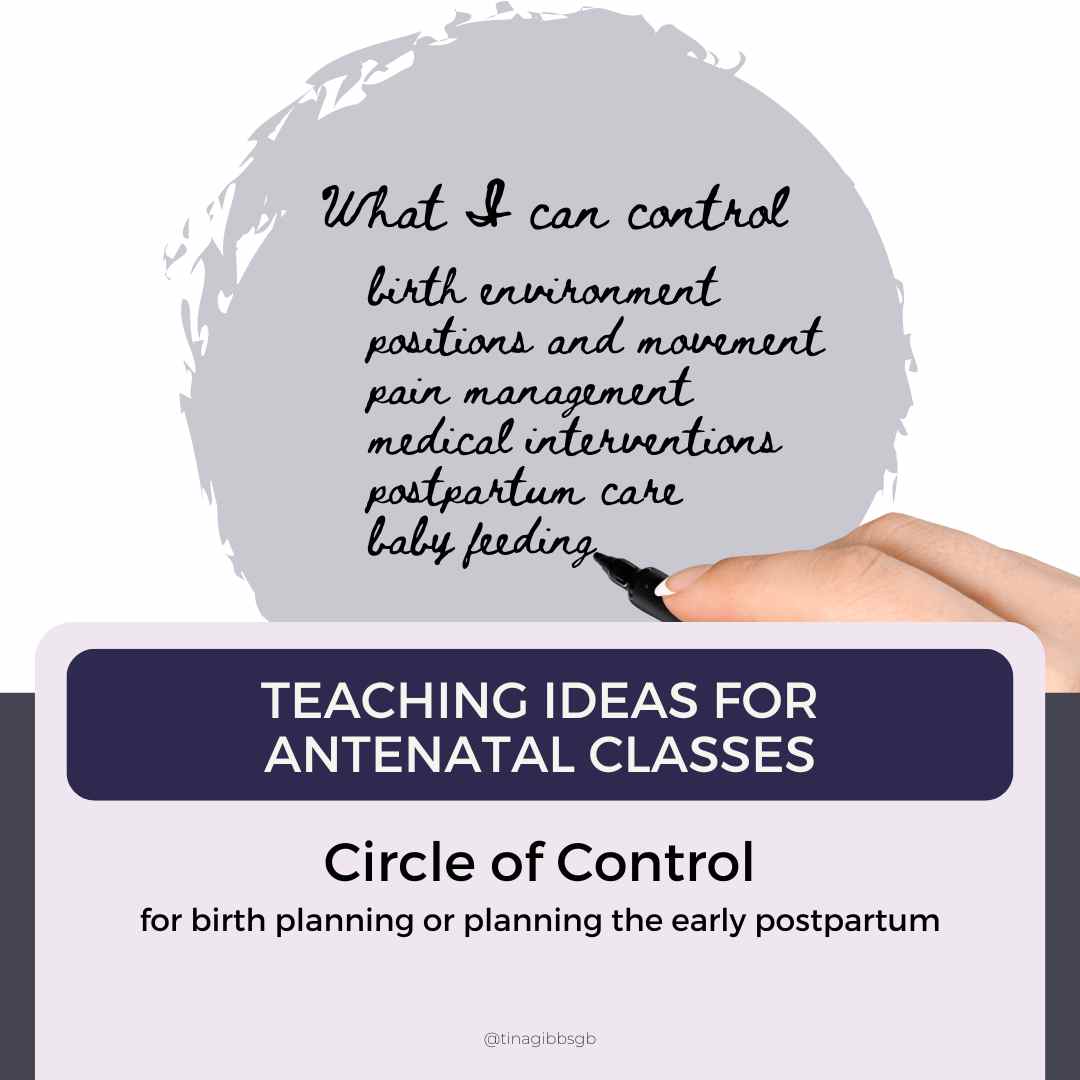
Welcoming a new life into the world is a monumental and empowering experience, and creating a birth plan or writing down your birth preferences can be a valuable tool in ensuring that your birthing experience aligns with your preferences and desires. As expectant parents, it’s natural to feel a mix of excitement and anxiety about the impending arrival of your little one. One powerful concept that can guide you through this process is the “Circle of Control.”

Understanding the Circle of Control

The Circle of Control is a psychological concept that encourages you to focus your energy and attention on things within your control, rather than dwelling on factors beyond your control. This principle can be especially helpful when it comes to writing your birth plan, as there are aspects of the birthing experience that you can influence, and others that are beyond your control.

Identifying Elements within Your Control
  1. Birth Environment: Begin by considering the atmosphere in which you would feel most comfortable giving birth. Think about factors such as lighting, music, and the presence of loved ones. Discuss your preferences with your birth partner, doula, birthing team and explore options that align with your vision.
  2. Labour Positions and Movement: Research different labour positions and movement techniques that can benefit and support the birthing process. Discuss these options with your healthcare provider and express your desire to have flexibility in choosing positions that feel right for you during labour.
  3. Pain Management: Outline your preferences for pain management, whether it’s through natural methods like breathing exercises, massage, or water immersion, or medical interventions such as epidurals. Ensure that your choices are communicated clearly with your healthcare team.
  4. Medical Interventions: Understand the available medical interventions and express your preferences regarding interventions like induction, episiotomy, and fetal monitoring. Discuss the potential benefits and risks with your healthcare provider to make informed decisions.
  5. Postpartum Care: Consider your wishes for immediate postpartum care, including skin-to-skin contact, breastfeeding preferences, and any specific instructions for the care of your newborn.
Elements Outside Your Control
  1. Unpredictable Circumstances: Acknowledge that childbirth is inherently unpredictable. While you can plan for many aspects, unforeseen circumstances may arise. Be open to adjustments and trust your healthcare team to prioritize the well-being of both you and your baby. Use your BRAIN acronym to help you with informed decision-making.
  2. Medical Emergencies: Understand that in certain situations, medical emergencies may necessitate interventions that deviate from your initial plan. Be prepared mentally for unexpected scenarios and trust your healthcare providers to make the best decisions for your safety. Use your BRAIN acronym to help you with informed decision-making.

Crafting a birth plan using the Circle of Control is a powerful way to empower yourself during the birthing process. By focusing on elements within your influence and acknowledging those beyond it, you can approach childbirth with a sense of preparedness and confidence. Communication with your birth partner, doula and healthcare team is key, and the collaborative effort between you, your birth partner, doula, and your medical professionals can help create a positive and fulfilling birthing experience that aligns with your values and preferences. Embrace the journey, trust the process, and celebrate the miracle of life.

Download your Circle of Control worksheet and start your birth planning now!

Sources and further reading

  • LOTHIAN, Judith. Birth plans: the good, the bad, and the future. Journal of Obstetric, Gynecologic & Neonatal Nursing, 2006, 35. Jg., Nr. 2, S. 295-303.
  • MEI, Jenny Y., et al. Birth plans: what matters for birth experience satisfaction. Birth, 2016, 43. Jg., Nr. 2, S. 144-150.
  • MUTONGI, Chipo; MAZHAWIDZA, Rushworth. DEALING WITH THE MINDSET WHEN FACED WITH CHANGE AND DIFFERENT SITUATIONS.
  • Dr Lucy Russell: https://www.theyarethefuture.co.uk/circle-of-control-printable/
Posted on Leave a comment

Navigating Stress in Pregnancy: Understanding the Sympathetic Nervous System

navigate stress in pregnancy

Navigating stress in pregnancy: Understanding the Sympathetic Nervous System. How to spot the signs of stress and how to combat stress during our pregnancy.

Your pregnancy is a beautiful and transformative journey for many women, but it also comes with its fair share of challenges and stressors. Stress during pregnancy is not uncommon and can be triggered by various factors such as hormonal changes, physical discomfort, or concerns about the upcoming responsibilities of parenthood. During these times, the body’s intricate systems, including the Sympathetic Nervous System (SNS), play a crucial role in how a pregnant woman or person responds to and copes with stress.

We will explore the Sympathetic Nervous System and its impact on expectant mothers/pregnant people, shedding light on the importance of managing stress for the well-being of both the you and your developing baby.

Understanding the Sympathetic Nervous System

The nervous system is divided into two main branches: the Central Nervous System (CNS) and the Peripheral Nervous System (PNS). The PNS further branches into the Sympathetic Nervous System (SNS) and the Parasympathetic Nervous System (PNS), each responsible for distinct physiological responses.

The Sympathetic Nervous System is often referred to as the “fight or flight” system. When activated, it prepares the body to respond to perceived threats by releasing stress hormones such as cortisol and adrenaline. During pregnancy, the SNS can be triggered by various stressors, including emotional, physical, or environmental factors.

Impact of Stress on Pregnancy

While the body’s stress response is a natural and adaptive mechanism, chronic activation of the SNS during pregnancy can have significant implications for both you and your developing baby. Research suggests that prolonged stress may contribute to adverse outcomes, including preterm birth, low birth weight, and developmental issues.

  1. Preterm Birth: High levels of stress hormones circulating in your bloodstream can lead to uterine contractions, potentially triggering preterm labour. Babies born prematurely may face health challenges and require specialized care.
  2. Low Birth Weight: Chronic stress during pregnancy has been linked to lower birth weight in infants. Low birth weight can increase the risk of health complications for the baby and may impact their long-term development.
  3. Developmental Issues: The developing fetus is sensitive to the hormonal fluctuations caused by maternal stress. Studies have suggested a correlation between maternal stress and an increased risk of behavioral and cognitive issues in children.
Navigating Stress during Pregnancy

Recognizing the impact of stress on pregnancy underscores the importance of implementing effective stress management strategies. Here are some techniques for you to incorporate into your routine:

  1. Mindfulness and Relaxation Techniques: Practices such as meditation, deep breathing exercises, and guided imagery can help activate the Parasympathetic Nervous System, promoting relaxation and reducing stress.
  2. Regular Exercise: Physical activity has been shown to have positive effects on mood and stress reduction. Engaging in safe and appropriate exercises during pregnancy can contribute to overall well-being. Try pregnancy yoga, pilates or swimming.
  3. Support System: Building a strong support system is crucial during pregnancy. Whether it’s through friends, family, or support groups, having a network to share experiences and concerns can alleviate stress. Meet and make friends with other expectant parents during your antenatal classes.
  4. Healthy Lifestyle: Maintaining a balanced and nutritious diet, staying hydrated, and getting enough sleep contribute to overall well-being and can help mitigate stress.

Your pregnancy is a unique and transformative journey, and managing stress is an essential aspect of ensuring the health and well-being of both you and your developing baby. Understanding the role of the Sympathetic Nervous System and implementing effective stress management strategies can contribute to a more positive and fulfilling pregnancy experience. By prioritizing self-care and seeking support, you can navigate the challenges of pregnancy with resilience and grace.

Online Birth Preparation Course only £35!

Please also check out my online course! No videos, just text and images to learn in your own time. Includes hypnobirthing mp3s, scripts, workbook, handouts, infographics and much more! Lots and lots of information at your fingertips! Includes:

  • hypnobirthing mp3s
  • hypnobirthing scripts
  • written information
  • infographics and other imagery
  • printable handouts
  • printable workbook/journal
Posted on Leave a comment

Umbilical Cord Ties or Clamps what do you prefer?

Umbilical Cord Ties or Clamps

In the process of giving birth, even the smallest things are important, like how the umbilical cord is managed after the baby is born. Lately, there has been more interest in using umbilical cord ties instead of the plastic clamps that doctors have been using for a long time.

Umbilical Cord Clamps

Umbilical cord clamps have been commonly used by healthcare professionals for a long time. They are usually made of plastic and are used to seal the umbilical cord after it has been cut. This clamp stays in place until the remaining cord stump dries and falls off naturally, which usually happens one to two weeks after the birth of your baby.

Benefits for Healthcare Professionals:

  1. Ease of Application: Clamps are straightforward to apply, making them convenient for healthcare professionals.
  2. Standardization: Clamps offer a standardized method of cord closure, ensuring consistency across different healthcare settings.
  3. Familiarity: Healthcare professionals are well-trained in the application of clamps, reducing the risk of errors during the process.

Benefits for Parents:

  1. Peace of Mind: Parents often find reassurance in the visible presence of the clamp, which serves as a tangible reminder of their newborn’s recent birth.
  2. Low Maintenance: Clamps require minimal maintenance and are designed to remain securely in place until the cord naturally separates. They cannot accidentally come undone.

Umbilical Cord Ties

Umbilical cord ties, typically made of soft material such as cotton, have gained popularity as an alternative to clamps in recent years. They offer a more flexible and gentle approach to cord closure.

Benefits for Healthcare Professionals:

  1. Flexibility: Cord ties provide healthcare professionals with greater flexibility in managing the umbilical cord, allowing for easier positioning and handling during childbirth.
  2. Reduced Waste: Unlike clamps, cord ties are often brought to the birth by the parents and can be carried in reusable containers.

Benefits for Parents:

  1. Comfort: Cord ties are softer and more pliable compared to clamps, reducing the likelihood of discomfort for newborns as they adjust to life outside the womb.
  2. Aesthetic Appeal: Many parents appreciate the aesthetic appeal of cord ties, which can come in a variety of colors and designs, adding a personalized touch to the birthing experience.
  3. More environmentally friendly: Most cord ties are made from cotton which is biodegradable.

Conclusion: Making Informed Choices in Childbirth

In the realm of childbirth, the decision between umbilical cord ties and clamps ultimately depends on individual preferences, healthcare protocols, and medical considerations. While both methods serve the fundamental purpose of securing and sealing the umbilical cord, each offers unique advantages for babies, parents, and healthcare professionals alike.

By making informed choices, you can actively participate in shaping your birth experience and ensuring the health and well-being of your baby from the very first moments of life.

Posted on Leave a comment

When to do a hypnobirthing class?

When to do a hypnobirthing class

What is hypnobirthing? When to do a hypnobirthing class? What are the benefits of hypnobirthing?

What is hypnobirthing?

Hypnobirthing is a type of childbirth education. It focuses on relaxation techniques and self-hypnosis to help expectant mothers experience a more calm and comfortable birth. In addition to that, hypnobirthing, especially Mindful Hypnobirthing can help you deal and come to terms with (sudden) changes during your pregnancy and childbirth journey. Hypnobirthing teaches you techniques to calm your body and mind in any situation helping you achieve a more satisfying (birth) experience.

When to do a hypnobirthing class?

Basked in the warmth of expectant anticipation, the journey of pregnancy holds boundless possibilities. Embracing this transformative phase, hypnobirthing serves as a gentle beacon, guiding you towards a serene and empowering birth experience. By attending your hypnobirthing class between 21-30 weeks, you gracefully intertwine knowledge and practice, nurturing a profound connection with your body, baby, and the birthing process.

During these immersive sessions, you will delve into the intricacies of hypnobirthing techniques, equipping yourself with a rich toolbox of relaxation exercises, visualization practices, and deep breathing methods. This precious time devoted to learning and self-discovery ensures that you absorb the wisdom imparted by your course, allowing sensations of tranquility and confidence to take root within you.

As you embark on this path, make the conscious decision to prioritize self-care and integration. Carve out moments in your schedule to indulge in self-reflection, savoring the invaluable opportunity to unwind and surrender to the present moment. Remember, practice is the key to unlocking the full potential of hypnobirthing. By dedicating time to honing your skills, you cultivate an innate sense of calmness and resilience, ready to embrace the birthing journey with unwavering grace.

As you honour your body’s innate wisdom and the innate wisdom of your baby, embrace the affirmations that flow through hypnobirthing. Enveloped in an atmosphere of love, trust, and empowerment, you harness the strength of your mind and spirit, harmoniously co-creating a positive childbirth experience.

Embrace this transformative passage, for it is an invitation to embark on a sacred and empowering journey. Through the art of hypnobirthing, discover newfound serenity, reclaim your inner power, and paint an exquisite portrait of birth, woven with love and grace.

What are the benefits of hypnobirthing classes?

The benefits of attending a hypnobirthing class are numerous. During a group hypnobirthing class you’ll meet like-minded people embarking on their journey to parenthood at a similar time. By learning effective relaxation and breathing techniques, hypnobirthing can help reduce anxiety, fear, and tension during labour, making the experience more positive and enjoyable.

In a hypnobirthing class, you can expect to learn various techniques such as deep relaxation, visualization, affirmations, and self-hypnosis. These techniques are designed to help you achieve a state of deep relaxation and promote a more efficient and comfortable labour. The classes are typically taught by certified hypnobirthing practitioners who guide you through the process and provide ongoing support throughout your pregnancy journey.

It’s important to note that hypnobirthing classes are beneficial for all types of births, whether you are planning a natural birth or have opted for medical interventions. The techniques learned in hypnobirthing can be applied in any birthing scenario and can help you stay calm, focused, and in control.

If you’re considering attending a hypnobirthing class, it’s recommended to do your research and find a reputable practitioner in your area. Many classes offer both in-person and online options, allowing you to choose the format that suits you best. Remember, hypnobirthing is not just about the birthing day but also about preparing mentally, emotionally, and physically throughout your pregnancy for a positive birthing experience. So, take the time to explore this wonderful approach to childbirth and embrace a more relaxed and empowered journey into motherhood.

Online Birth Preparation Course only £35!

Please also check out my online course! No videos, just text and images to learn in your own time. Includes hypnobirthing mp3s, scripts, workbook, handouts, infographics and much more! Lots and lots of information at your fingertips! Includes:

  • hypnobirthing mp3s
  • hypnobirthing scripts
  • written information
  • infographics and other imagery
  • printable handouts
  • printable workbook/journal
Posted on Leave a comment

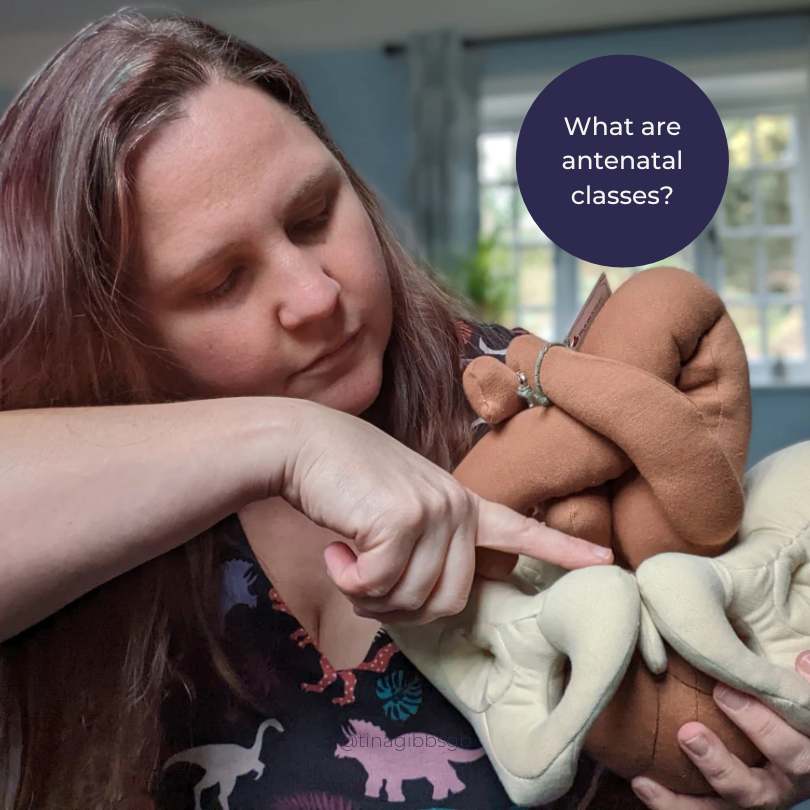
What are antenatal classes?

antenatal classes nottinghamshire

Antenatal classes are educational sessions designed to prepare expectant parents for childbirth and early parenthood. These classes provide valuable information and practical skills to help parents navigate this transformative journey with confidence. While the format and content of antenatal classes may vary, they typically cover topics such as pregnancy health, labour and birth, pain management techniques, self-help techniques, breastfeeding, infant feeding, newborn care, newborn sleep, postnatal/postpartum recovery, postnatal/postpartum depression and postpartum support.

Who goes to an antenatal class?

It is recommended for both parents to attend antenatal classes whenever possible. This allows both partners to gain a comprehensive understanding of the childbirth process and actively participate in decision-making. Attending these classes together can also strengthen the bond between parents, as they learn and share experiences, concerns, and expectations together.

However, while antenatal classes are usually attended by couples or expectant mothers and their birth partners, they can certainly benefit lone parents as well.

Are antenatal classes suitable for lone parents or single parents?

Being a lone parent during pregnancy and childbirth can bring unique challenges and concerns. Antenatal classes can provide a nurturing and supportive environment for lone parents, offering them a chance to connect with other expectant parents and gain essential knowledge and resources. These classes can help lone parents build confidence, develop practical skills, and establish a support network.

Lone parents can learn valuable techniques to manage the physical and emotional demands of childbirth, as well as techniques to promote bonding and create a positive environment for their soon-to-arrive little one.

Furthermore, antenatal classes often cover newborn care, including topics like breastfeeding, nappy changing, bathing, and soothing techniques. For lone parents who may not have immediate family or partners to rely on for support, these classes can be particularly beneficial in equipping them with the knowledge and skills needed to care for their newborn.

It’s worth noting that these educational classes not only provide practical information but also serve as a platform for expectant parents to share their experiences, concerns, and questions. For lone parents, these classes can be a safe space to connect with others who may be facing similar circumstances, fostering a sense of community and reducing feelings of isolation.

In conclusion, antenatal classes can be incredibly valuable for lone parents, offering them education, support, and a network of peers who can empathize with their unique journey into parenthood. Participating in these classes can empower lone parents, helping them feel more prepared and confident as they embark on this exciting new chapter in their lives.

Who provides antenatal classes?

One popular provider is the National Childbirth Trust (NCT). Some NHS trusts and children’s centers also offer classes and your local doulas will be able to help you prepare for the birth of your baby!

Who is Tina Gibbs?

I am an NCT-trained antenatal teacher and now offer antenatal classes in a group or 1:1 setting, in my home, yours or online. My antenatal courses that aim to inform, empower, and connect parents with each other and their baby/babies. I am an experienced antenatal teacher and have supported 1000s of expectant and new parents. While there is a cost associated with my antenatal classes, many parents find the investment worthwhile as they receive evidence-based information, access to a supportive network, and the opportunity to build friendships with other soon-to-be parents.

Book classes or workshops with Tina Gibbs here or contact me to arrange your private group or 1:1 classes.

Are antenatal classes worth it?

Attending antenatal classes, whether through the NCT or other providers, can provide numerous benefits for expectant parents. These classes not only offer valuable knowledge and practical skills but also help alleviate anxiety, increase confidence, and provide a supportive community during this special time. It’s worth considering if you’re seeking comprehensive preparation for the journey ahead.

Please also check out my online course! No videos, just text and images to learn in your own time. Includes hypnobirthing mp3s, scripts, workbook, handouts, infographics and much more! Lots and lots of information at your fingertips! Includes:

  • hypnobirthing mp3s
  • hypnobirthing scripts
  • written information
  • infographics and other imagery
  • printable handouts
  • printable workbook/journal

Posted on Leave a comment

Can I have a waterbirth in Nottingham?

can I have a waterbirth in Nottingham

Can I have a waterbirth in Nottingham Queens Medical Centre (QMC) and City Hospital?

When considering a waterbirth, you may be wondering if it’s possible to have one in Nottingham at either the Queens Medical Centre (QMC) or City Hospital. Nottingham offers excellent healthcare facilities, and both hospitals have maternity units that provide a range of birthing options, including waterbirths.

The QMC is a renowned teaching hospital and one of the largest in the UK. It has a dedicated maternity unit that offers a compassionate and supportive environment for expectant parents. While they prioritize safety and the well-being of both mother and baby, they also strive to accommodate individual preferences for birthing experiences, including waterbirths.

Similarly, City Hospital, located in the heart of Nottingham, also has a maternity unit that recognizes the benefits of waterbirths. Waterbirths can offer relaxation, pain relief, and a gentle transition for the baby from the womb to the outside world.

It’s important to note that while both hospitals offer waterbirths, availability may vary depending on factors such as the stage of your pregnancy, your medical history, and any complications that may arise. To explore the possibility of having a waterbirth at either hospital, it is recommended that you discuss your preferences with your midwife or healthcare provider during your antenatal appointments. They will be able to provide detailed information and guidance based on your specific circumstances.

You can find out more about current options and recommendations at the NUH Maternity website.

In addition to the Nottingham University Hospitals (NUH) there are a couple of additional birth places nearby. St. Mary’s Maternity Hospital in Melton Mowbray and Kingsmill Hospital (Sherwood Forest Hospitals).

When planning for the birth of your baby and your birth experience, it is important to check out all your options. If you’d like to have some help with planning your birth or would like to learn more about birth and your options, get in touch for a 1:1 antenatal class with me!

Online Birth Preparation Course only £35!

Please also check out my online course! No videos, just text and images to learn in your own time. Includes hypnobirthing mp3s, scripts, workbook, handouts, infographics and much more! Lots and lots of information at your fingertips! Includes:

  • hypnobirthing mp3s
  • hypnobirthing scripts
  • written information
  • infographics and other imagery
  • printable handouts
  • printable workbook/journal
Posted on 2 Comments

The BRAIN Acronym for Childbirth

The BRAIN Acronym can help you make informed decisions for your childbirth experience and beyond. It is a powerful tool to prepare and plan for any event including your pregnancy, birth and parenting.

What does the acronym stand for?

The word “BRAIN” in this context is an acronym that stands for several key factors:

Benefit: Consider the potential advantages and gains that can be obtained from a particular decision. Assess the positive outcomes and how they align with your goals and objectives.

Risks: Take into account the potential risks and drawbacks associated with the decision. Identify and evaluate any potential negative consequences and assess their impact.

Alternatives: Explore and analyze alternative options. Consider different approaches or solutions that might achieve similar or even better results.

Intuition: What is your gut telling you? How do you feel about each of the options?

Nothing/Necessity: Determine the necessity and urgency of making the decision. Evaluate whether it is crucial to act promptly or if it allows for further consideration and evaluation. What happens if we/I do nothing? Have we/I got time to sleep on it?

By using the brain acronym as a decision-making tool you can ensure that your decisions are well-considered, comprehensive, and aligned with your goals and objectives as well as your individual preferences.

Download my Informed Consent Handout here.

How can I use the BRAIN Acronym for Childbirth?

Here is one example of how you may use the BRAIN tool for you birth planning/decision-making:

Example – Induction of labour

Benefits

  • A method of bringing on the labour when your baby needs to be born soon(er) due to risk to them or you. NOTE: induction of labour often takes more than one day!
  • The baby can be born at a time when specialist attention and facilities are available. For example, paediatrician for ‘at-risk’ babies.
  • Social reasons: being able to “control” the time/date of birth a little more and being able to plan childcare etc around it a little better. NOTE: induction of labour often takes more than one day!

Risks

  • Unless your body is ready to birth, the progress will be slow. It can take several days to start working and you may need a Caesarean Birth if the induction process doesn’t proof efficient
  • Partners are not always “allowed” to stay for the whole duration of the induction process. Often they can only be there during the official or slightly extended visiting hours. So you may be “on your own” for a while.
  • It can be very uncomfortable for quite some time and you may need more pain relief compared to a spontaneous onset of labour.
  • Higher likelihood of an instrumental birth using a vacuum or forceps. As a result of increased use of epidural.
  • Increased risk of above-average blood loss.
  • Overstimulation of the uterus, increasing the risk of causing stress to you and baby
  • Overriding of your body’s natural production of oxytocin (the hormone of love, labour and lactation). This results in decreased release of your natural oxytocin in response to your baby suckling at the breast. Furthermore, this can lead to difficulty establishing lactation in the first few days postpartum.

Alternatives

  • Natural induction methods such as – nipple stimulation, spicy food, eating dates, hypnosis or acupuncture.
  • Caesarean birth
  • Increased monitoring of the baby and wait on spontaneous labour

Intuition

How does the thought of having an induction make you feel? Are you comfortable with this option?

Nothing

What happens if I do nothing and just wait? Depending on the reason(s) why an induction is offered to you the risks can vary. Ask your healthcare provider about your specific risks to you and your baby. Find out how much time you have got to think about it. Is this an emergency? Can we get a second opinion and/or sleep on it? Ask the question “What happens if we wait?”.

When creating your birth plan or making other decisions, remember to ask the questions. And importantly use your BRAIN decision making tool to make informed decisions and choices which are right for you and your childbirth experience!

Sources and Further Reading
Posted on Leave a comment

Floppy Face Floppy Fanny

“Floppy Face Floppy Fanny” a magic technique to make childbirth easier, more enjoyable and reduces tearing. How?

During childbirth, the process of delivering a baby can be both physically and emotionally intense for the expecting mother. It is natural to feel some level of fear, tension, or discomfort during this journey. However, there is an intriguing technique that some believe can help make the birthing experience easier, more enjoyable, and even reduce the likelihood of tearing. This technique is known as “Floppy Face Floppy Fanny.” The phrase was first said by American midwife Ina May Gaskin.

The concept behind Floppy Face Floppy Fanny is based on the interconnectedness of our facial muscles with those in our pelvic floor, vagina, and vulva. According to this technique, when the face is relaxed, especially the muscles around the mouth and jaw, it has a profound impact on the relaxation of the pelvic area as well. By consciously relaxing the face, the woman aims to create a ripple effect, allowing the muscles in her birthing canal to also relax, making it easier for the baby to pass through.

The idea of linking facial relaxation with childbirth may sound unconventional, but proponents of this technique suggest that it can have a significant impact on the overall birthing experience. By practicing deep breathing exercises, visualization, and consciously relaxing the facial muscles, women may find increased comfort, reduced pain, and a smoother delivery process.

It’s important to note that its effectiveness may vary from person to person. Every woman’s/birthing person’s experience with childbirth is unique, and there are many factors involved in the ease and outcome of the process. It is always recommended to consult with a healthcare professional or midwife for personalized guidance and support during pregnancy and childbirth.

So why am I saying Floppy Face, Floppy Fanny rather than relax your mouth and jaw? To make it more memorable for expectant parents. I’ve also been using the “loose lips, loose hips”.

Here are some flashcards for breathing techniques to help you to keep your jaw, lips and mouth relaxed. One of the most memorable but simple technique is “horse lips”.

Online Birth Preparation Course only £35!

Please also check out my online course! No videos, just text and images to learn in your own time. Includes hypnobirthing mp3s, scripts, workbook, handouts, infographics and much more! Lots and lots of information at your fingertips! Includes:

  • hypnobirthing mp3s
  • hypnobirthing scripts
  • written information
  • infographics and other imagery
  • printable handouts
  • printable workbook/journal

Sources and Further Reading

  • Emmer, Helene et al. “Obstructive sleep apnea syndrome is associated with overactive bladder and urgency incontinence in men.” Sleep vol. 32,2 (2009): 271-5. doi:10.1093/sleep/32.2.271
  • Fischer MJ, Riedlinger K, Gutenbrunner C, Bernateck M. Influence of the temporomandibular joint on range of motion of the hip joint in patients with complex regional pain syndrome. J Manipulative Physiol Ther. 2009 Jun;32(5):364-71. doi: 10.1016/j.jmpt.2009.04.003. PMID: 19539119
  • Dr Lauren Keller: https://drlaurenkeller.com/blog/2022/5/23/5xlrzq50dx7n127nsavetabxr7jseg
  • Mamastefit: https://mamastefit.com/breathing-our-pelvic-floor-and-labor/
  • Talasz H, Kremser C, Talasz HJ, Kofler M, Rudisch A. Breathing, (S)Training and the Pelvic Floor-A Basic Concept. Healthcare (Basel). 2022 Jun 2;10(6):1035. doi: 10.3390/healthcare10061035. PMID: 35742086; PMCID: PMC9222935.
  • Van der Velde, J., & Everaerd, W. (2001). The relationship between involuntary pelvic floor muscle activity, muscle awareness and experienced threat in women with and without vaginismus. Behaviour Research and Therapy, 39(4), 395–408. doi:10.1016/s0005-7967(00)00007-3
  • Van der Velde, J., Laan, E., & Everaerd, W. (2000). Vaginismus, a component of a general defensive reaction. An investigation of pelvic floor muscle activity during exposure to emotion inducing film excerpts in women with and without vaginismus. Submitted
  • WombWisdom: https://www.wombseedwisdom.com/