Posted on Leave a comment

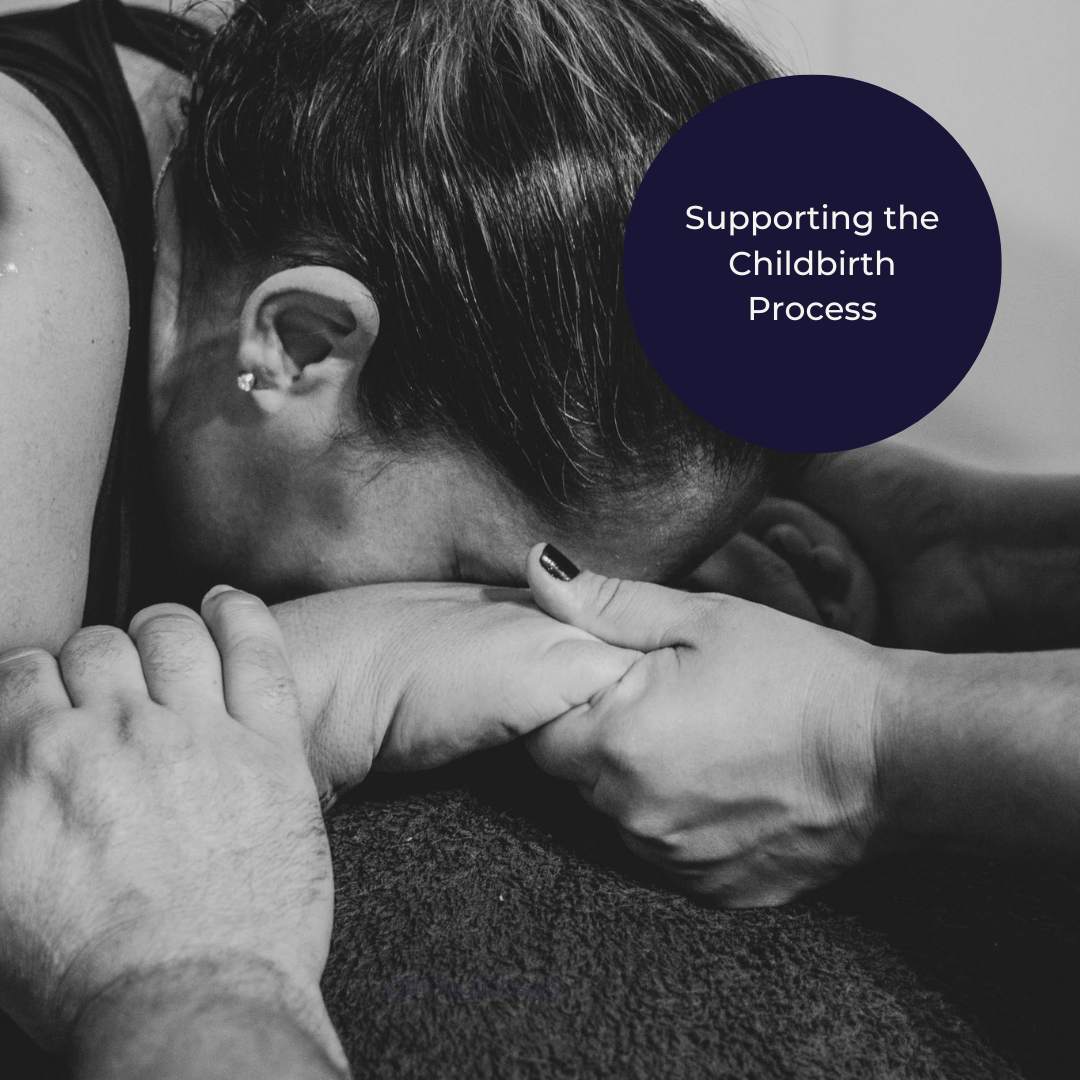
Supporting the Childbirth Process

Supporting the childbirth process

A Guide to Helping Parents Bring New Life into the World

Supporting the childbirth process: A Guide to Helping Parents Bring New Life into the World

Childbirth is one of the most significant moments in a parent’s life. While it is a natural process, it can also be physically and emotionally challenging. Support during labour and birth plays a crucial role in making the experience more positive and manageable. Whether you are a partner, family member, friend, or birth worker, knowing how to offer the right support can make all the difference.

Understanding the Childbirth Process

Labour typically unfolds in three stages:

  1. First Stage – This is the longest phase, where contractions gradually open the cervix. It includes early, active, and transition phases.
  2. Second Stage – This is when the baby is born as the parent pushes through contractions.
  3. Third Stage – The placenta is delivered, and medical staff ensure the parent’s well-being.

Knowing what to expect at each stage helps supporters provide reassurance and encouragement.

Emotional Support: The Power of Reassurance

A calm and confident presence can ease a labouring parent’s stress. Encouraging words, holding hands, and offering gentle reassurance help them feel safe and supported. Simple phrases like “You’re doing amazingly” or “I’m right here with you” can be powerful.

It’s also important to respect their preferences. Some may want quiet, while others benefit from verbal motivation. Being attentive to their needs ensures they feel in control and cared for.

Physical Comfort Measures

There are many ways to provide physical comfort during labour:

  • Massage and Touch – Gentle back rubs, counter-pressure on the lower back, or a warm hand on the shoulder can relieve tension and discomfort.
  • Breathing Techniques – Encouraging slow, deep breaths helps manage pain and anxiety. Practising these beforehand can be helpful.
  • Position Changes – Movement and different positions (such as squatting, standing, or leaning) can ease pain and help labour progress.
  • Hydration and Nutrition – Small sips of water and light snacks (if permitted) help maintain energy levels.

Advocating for the Labouring Parent

In the intensity of labour, communication with medical staff can be overwhelming. A supportive birth partner can help by ensuring the parent’s preferences are respected. This includes reminding healthcare professionals of their birth plan and asking for explanations about medical procedures if needed.

Advocacy does not mean making decisions on their behalf but rather ensuring they feel informed and empowered. Respecting their choices is essential for a positive birth experience.

Managing Pain: Options and Encouragement

Pain relief choices vary for every person. Some prefer natural methods, while others opt for medical pain relief such as gas and air, pethidine, or an epidural. Supporting their decision, without judgement, is crucial.

If they choose to avoid medication, distraction techniques such as music, dim lighting, warm baths, or hypnobirthing practices can help. If they decide on medical pain relief, encouraging them through the process and reminding them that every birth journey is unique can be reassuring.

If you are a birth worker reading this, you might find some of my printable activities helpful for your childbirth education classes and session. Below you’ll find my latest offers:

The Importance of Post-Birth Support

Supporting the childbirth process doesn’t end once the baby is born. The postnatal period is a time of physical recovery and emotional adjustment. Encouraging rest, helping with newborn care, and offering emotional support are just as important after birth as they are during labour.

Small actions, like bringing a meal, holding the baby while the parent naps, or simply listening to their experiences, can make a huge difference. Reassure them that it’s normal to feel a mix of emotions and encourage them to seek support if needed.

Final Thoughts

Supporting someone through childbirth is a privilege and a responsibility. Being informed, compassionate, and adaptable allows you to provide meaningful help. Every birth experience is different, but the right support can make it a more positive and empowering journey for the parent bringing new life into the world.
Posted on Leave a comment

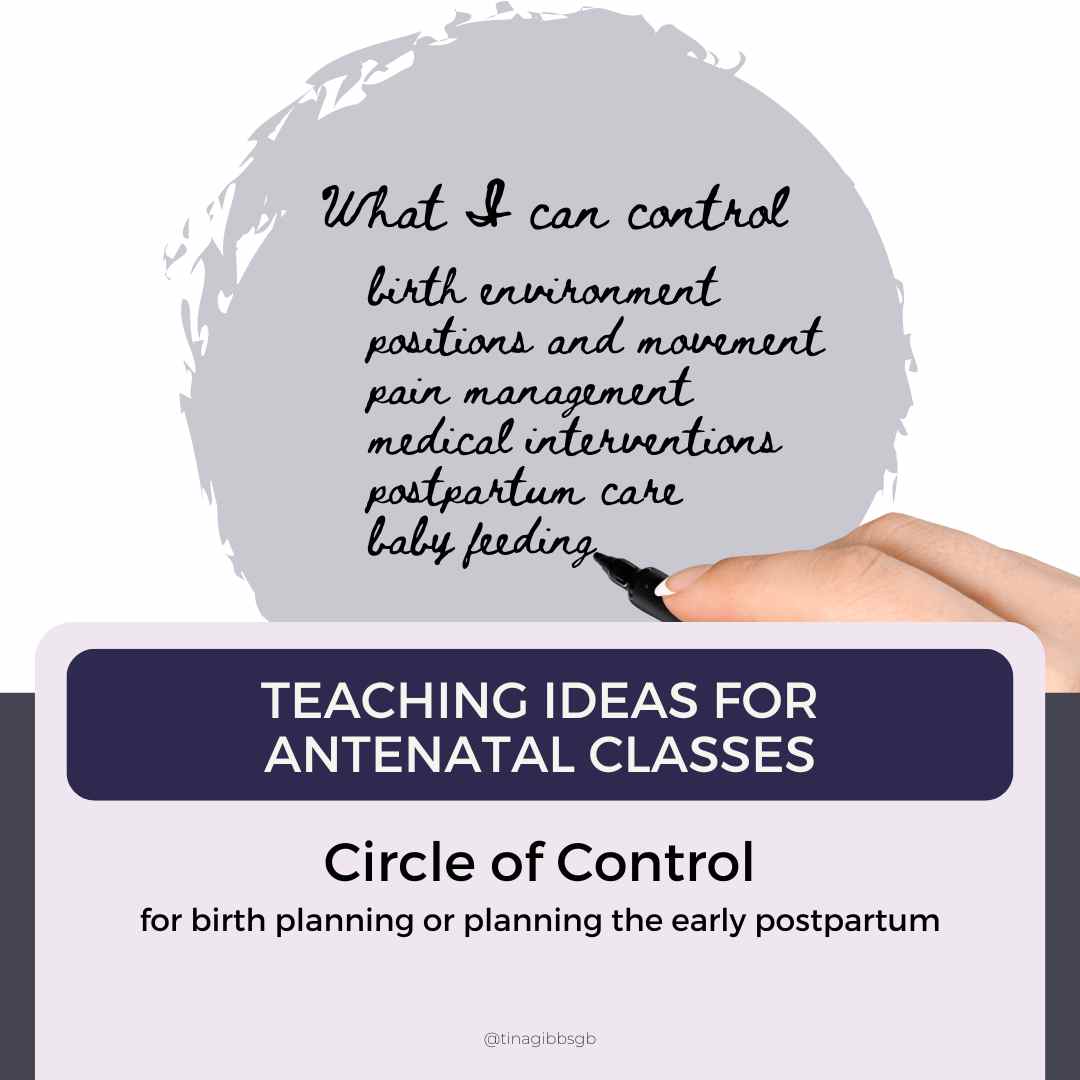
Navigating your childbirth journey: Using the Circle of Control to Write Your Birth Plan

Welcoming a new life into the world is a monumental and empowering experience, and creating a birth plan or writing down your birth preferences can be a valuable tool in ensuring that your birthing experience aligns with your preferences and desires. As expectant parents, it’s natural to feel a mix of excitement and anxiety about the impending arrival of your little one. One powerful concept that can guide you through this process is the “Circle of Control.”

Understanding the Circle of Control

The Circle of Control is a psychological concept that encourages you to focus your energy and attention on things within your control, rather than dwelling on factors beyond your control. This principle can be especially helpful when it comes to writing your birth plan, as there are aspects of the birthing experience that you can influence, and others that are beyond your control.

Identifying Elements within Your Control
  1. Birth Environment: Begin by considering the atmosphere in which you would feel most comfortable giving birth. Think about factors such as lighting, music, and the presence of loved ones. Discuss your preferences with your birth partner, doula, birthing team and explore options that align with your vision.
  2. Labour Positions and Movement: Research different labour positions and movement techniques that can benefit and support the birthing process. Discuss these options with your healthcare provider and express your desire to have flexibility in choosing positions that feel right for you during labour.
  3. Pain Management: Outline your preferences for pain management, whether it’s through natural methods like breathing exercises, massage, or water immersion, or medical interventions such as epidurals. Ensure that your choices are communicated clearly with your healthcare team.
  4. Medical Interventions: Understand the available medical interventions and express your preferences regarding interventions like induction, episiotomy, and fetal monitoring. Discuss the potential benefits and risks with your healthcare provider to make informed decisions.
  5. Postpartum Care: Consider your wishes for immediate postpartum care, including skin-to-skin contact, breastfeeding preferences, and any specific instructions for the care of your newborn.
Elements Outside Your Control
  1. Unpredictable Circumstances: Acknowledge that childbirth is inherently unpredictable. While you can plan for many aspects, unforeseen circumstances may arise. Be open to adjustments and trust your healthcare team to prioritize the well-being of both you and your baby. Use your BRAIN acronym to help you with informed decision-making.
  2. Medical Emergencies: Understand that in certain situations, medical emergencies may necessitate interventions that deviate from your initial plan. Be prepared mentally for unexpected scenarios and trust your healthcare providers to make the best decisions for your safety. Use your BRAIN acronym to help you with informed decision-making.

Crafting a birth plan using the Circle of Control is a powerful way to empower yourself during the birthing process. By focusing on elements within your influence and acknowledging those beyond it, you can approach childbirth with a sense of preparedness and confidence. Communication with your birth partner, doula and healthcare team is key, and the collaborative effort between you, your birth partner, doula, and your medical professionals can help create a positive and fulfilling birthing experience that aligns with your values and preferences. Embrace the journey, trust the process, and celebrate the miracle of life.

Download your Circle of Control worksheet and start your birth planning now!

Sources and further reading

  • LOTHIAN, Judith. Birth plans: the good, the bad, and the future. Journal of Obstetric, Gynecologic & Neonatal Nursing, 2006, 35. Jg., Nr. 2, S. 295-303.
  • MEI, Jenny Y., et al. Birth plans: what matters for birth experience satisfaction. Birth, 2016, 43. Jg., Nr. 2, S. 144-150.
  • MUTONGI, Chipo; MAZHAWIDZA, Rushworth. DEALING WITH THE MINDSET WHEN FACED WITH CHANGE AND DIFFERENT SITUATIONS.
  • Dr Lucy Russell: https://www.theyarethefuture.co.uk/circle-of-control-printable/
Posted on Leave a comment

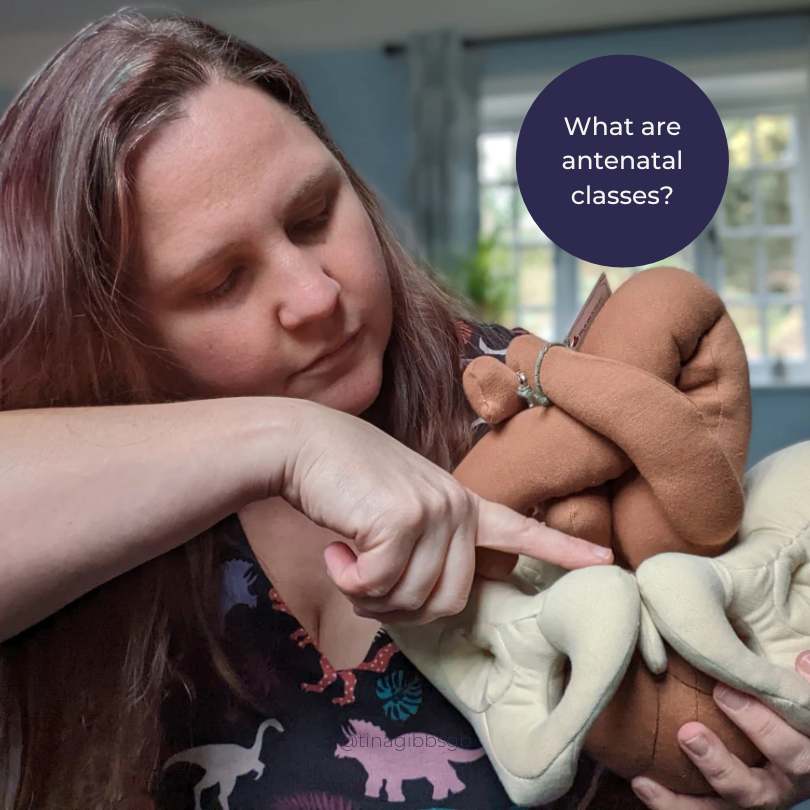
What are antenatal classes?

antenatal classes nottinghamshire

Antenatal classes are educational sessions designed to prepare expectant parents for childbirth and early parenthood. These classes provide valuable information and practical skills to help parents navigate this transformative journey with confidence. While the format and content of antenatal classes may vary, they typically cover topics such as pregnancy health, labour and birth, pain management techniques, self-help techniques, breastfeeding, infant feeding, newborn care, newborn sleep, postnatal/postpartum recovery, postnatal/postpartum depression and postpartum support.

Who goes to an antenatal class?

It is recommended for both parents to attend antenatal classes whenever possible. This allows both partners to gain a comprehensive understanding of the childbirth process and actively participate in decision-making. Attending these classes together can also strengthen the bond between parents, as they learn and share experiences, concerns, and expectations together.

However, while antenatal classes are usually attended by couples or expectant mothers and their birth partners, they can certainly benefit lone parents as well.

Are antenatal classes suitable for lone parents or single parents?

Being a lone parent during pregnancy and childbirth can bring unique challenges and concerns. Antenatal classes can provide a nurturing and supportive environment for lone parents, offering them a chance to connect with other expectant parents and gain essential knowledge and resources. These classes can help lone parents build confidence, develop practical skills, and establish a support network.

Lone parents can learn valuable techniques to manage the physical and emotional demands of childbirth, as well as techniques to promote bonding and create a positive environment for their soon-to-arrive little one.

Furthermore, antenatal classes often cover newborn care, including topics like breastfeeding, nappy changing, bathing, and soothing techniques. For lone parents who may not have immediate family or partners to rely on for support, these classes can be particularly beneficial in equipping them with the knowledge and skills needed to care for their newborn.

It’s worth noting that these educational classes not only provide practical information but also serve as a platform for expectant parents to share their experiences, concerns, and questions. For lone parents, these classes can be a safe space to connect with others who may be facing similar circumstances, fostering a sense of community and reducing feelings of isolation.

In conclusion, antenatal classes can be incredibly valuable for lone parents, offering them education, support, and a network of peers who can empathize with their unique journey into parenthood. Participating in these classes can empower lone parents, helping them feel more prepared and confident as they embark on this exciting new chapter in their lives.

Who provides antenatal classes?

One popular provider is the National Childbirth Trust (NCT). Some NHS trusts and children’s centers also offer classes and your local doulas will be able to help you prepare for the birth of your baby!

Who is Tina Gibbs?

I am an NCT-trained antenatal teacher and now offer antenatal classes in a group or 1:1 setting, in my home, yours or online. My antenatal courses that aim to inform, empower, and connect parents with each other and their baby/babies. I am an experienced antenatal teacher and have supported 1000s of expectant and new parents. While there is a cost associated with my antenatal classes, many parents find the investment worthwhile as they receive evidence-based information, access to a supportive network, and the opportunity to build friendships with other soon-to-be parents.

Book classes or workshops with Tina Gibbs here or contact me to arrange your private group or 1:1 classes.

Are antenatal classes worth it?

Attending antenatal classes, whether through the NCT or other providers, can provide numerous benefits for expectant parents. These classes not only offer valuable knowledge and practical skills but also help alleviate anxiety, increase confidence, and provide a supportive community during this special time. It’s worth considering if you’re seeking comprehensive preparation for the journey ahead.

Please also check out my online course! No videos, just text and images to learn in your own time. Includes hypnobirthing mp3s, scripts, workbook, handouts, infographics and much more! Lots and lots of information at your fingertips! Includes:

  • hypnobirthing mp3s
  • hypnobirthing scripts
  • written information
  • infographics and other imagery
  • printable handouts
  • printable workbook/journal

Posted on Leave a comment

5 Things to look for when choosing your childbirth education

5 things to look for when choosing your childbirth education

You want to be prepared to for the birth of your baby or babies. Here are 5 Things to look for when choosing your childbirth education!

As the birth of your baby approaches, you may have a lot of questions. What does a contraction wave feel like? How will I know when to call the midwife? What kind of breathing techniques can I use? How do I know when it is time to push?

You may also experience a range of emotions such as excitement, nervousness, stress, and even anxiety. The good news are, you can ease your fears and gain confidence in birthing your child when you prepare for the birth of your child. Choosing the right type of childbirth course for you (and your partner) is crucial. Your childbirth preparation course should give you practical knowledge about the physiology of birth as well as where to find practical and emotional support.

5 Things to look for when choosing your childbirth education

1. Does the course agree with your idea on childbirth?

Whether you are you planning for a vaginal birth, caesarean birth, waterbirth, homebirth, etc… you want to ensure that your chosen childbirth education course supports your wishes and preferences. How you choose to give birth is up to you.

Knowing the general philosophy of the birth course you are considering is essential. The techniques that you’ll be learning should be something that you can see yourself doing and something that you believe in. The techniques should support you to achieve the birth you are aiming for.

2. Which topics are covered during the course?

If this is your first birth experience, your childbirth preparation course should cover everything your need to know about your options and what to expect. If you have given birth before, then you may wish to choose a refresher course for you. You may also wish to prepare the older sibling(s) for the birth of their little brother or sister. Learning the about childbirth may lessen your anxiety and help you make informed choices when birthing your baby. Choosing the wrong type of course for you may increase anxieties, so choose your childbirth course and their leader carefully.

3. Who created the course?

Who created the childbirth preparation course? Are they a medical professional or a teacher? Are they an expert in childbirth education? Check their certifications and experience! You want the person and organisation offering your childbirth preparation course to be established and reputable. Ask them to show you proof of their qualification(s).

4. What format is the course in?

Check the format of the course. You may prefer a course which focuses on the birth only, or one that includes practical baby care. If you are interested in hypnobirthing, does the course include hypnobirthing or maybe you prefer a stand-alone hypnobirthing course.

Are partners also coming to the classes or learn anything during the course or is the course for mothers/birthing folks only? Which format do you prefer?

5. Practical things to consider

  • Where and when is the course held? Are the dates, time and venue convenient for you?
  • What is your budget? What are your options at your budget?
  • For an in-person course
    • is there parking available or is it easily accessible via public transport?
    • Is the venue clean and spacious?
    • What are the chair/seating arrangements like? Do you want/need to bring a birthing ball, cushions etc.?
    • Are refreshments included?
    • Accessibility of the venue (where needed)
  • For an online course
    • are you confident in using the platform the course is being offered on?
    • is it a live course or has live elements or is it fully self-paced? – for live elements: are they recorded? If not can you make all the sessions?
    • Is your internet connection reliable?
    • Have you got a pc or laptop to access the course on? This will make your online course a more positive experience.
    • Have I got a comfortable (seating) setup where I can join the online childbirth preparation course?

What type/style of childbirth preparation course you choose is entirely up to you! Use your B.R.A.I.N. acronym when choosing the right course for you:

Brain acronym

What are the benefits, risks (or repercussion), alternatives (for each option)? Trust your gut, your intuition. And think about how you might feel if you do nothing, i.e. you don’t choose a childbirth preparation course?

If you are looking for a childbirth preparation course (1:1) in Nottinghamshire, check out my offers. I also have a fully self-paced online course for just £35. Including hypnobirthing, mp3s and much, much more!

Online Birth Preparation Course only £35!

Please also check out my online course! No videos, just text and images to learn in your own time. Includes hypnobirthing mp3s, scripts, workbook, handouts, infographics and much more! Lots and lots of information at your fingertips! Includes:

  • hypnobirthing mp3s
  • hypnobirthing scripts
  • written information
  • infographics and other imagery
  • printable handouts
  • printable workbook/journal

Posted on Leave a comment

How long does labour last?

How long does labour last?

How long does labour last? What is the average time for labour & childbirth?

In medical terms labour is divided into three stages:

  • 1st stage – where your uterus and body are getting ready. Your cervix is softening and will begin to open until it is fully open (dilated). It is sometimes referred to as the “up stage” because the sensations are pulling/moving upwards. .
  • 2nd second – the second stage begins when you’ll feel the urge to push. It is sometimes referred to as the “pushing stage” or “down stage” because the sensations are pushing downwards. At the end of this stage, your baby will be here.
  • 3rd stage – the birth of the placenta. After your baby is born, you’ll have to give birth to the placenta. This is what is happening in the 3rd and final stage of labour.

So, how long does labour last? According to the NHS, the average first labour lasts between 8-12 hours and subsequent births will be significantly quicker (approx. 5 hours). However, your midwives will only record the timing from when you are considered to be in established labour, which is when your cervix is already around 4cm dilated (open). That means that the contractions and sensations that you are experiencing until then are not officially ‘counted or measured’. However, birthing folk themselves will usually add that time on when they describe their experience. It will take hours or sometimes days (first birth) from your baby dropping (lightening) to the beginning of established labour (4cm). Use this time to rest when you can, hydrate and keep your positive energy up!

Although the NHS and other healthcare providers divide labour and birth into three stages, it is not always that simple… Each medical stage can itself be divided into further smaller steps and stages. When speaking to women and people who have given birth and/or attended births, they describe the birthing process in many more steps. Milli Hill, for example, divides the birth into 15 steps in her Positive Birth Book (affiliate link).

Here is a graphic to show a timeline of childbirth:

How long does labour last?
Childbirth/labour timeline

Posted on Leave a comment

What to wear during childbirth?

what to wear during childbirth

A question that comes up frequently during my childbirth preparation classes is “What to wear during childbirth?”.

The answer is, whatever feels comfortable to you. There are a few things you may wish to consider when deciding what to wear during childbirth

  • The birth environment – While you are in control of the temperature of your home, hospital birthing rooms tend to be very hot!
  • Are you giving birth in water? – if you are using/planning on using a birthing pool, you may wish to consider to not wear anything on your bottom half once you get into the pool. Clothes are more difficult to take off when they’re wet!
  • Are you planning a caesarean birth? Think about accessibility for skin-to-skin after the birth. Ask your care provider about your options. Most NHS trusts in the UK support skin-to-skin after a planned caesarean birth and do also support alternative clothing instead of the hospital gown.
  • Skin-to-skin straight after birth is important for your and you. It helps initiate breastfeeding and bonding but also helps to transfer good bacteria to your baby. Think about the clothing you are wearing during the birth of your child and check, whether skin-to-skin would be easily possible with your chosen clothing.
  • Breastfeeding/chestfeeding/bodyfeeding/nursing – If you are planning on nursing your baby, it is important to wear clothing which allow easy access to your breasts/chest.
  • Personal comfort & body confidence are also an important factor when choosing clothing for childbirth. At the end of the day it’s your choice and you’ll choose clothing which make you feel comfortable! You may of course choose to not wear any clothing!

In conclusion, wear comfortable, loose fitting clothes which allow access to your chest for the golden hour.

Posted on Leave a comment

Waterbirth at home

waterbirth at home

You are pregnant and are planning a waterbirth at home? You are not quite sure how to sell the idea to your partner? Read this! Here is a ‘guide on how to persuade your partner to have a waterbirth at home 😉

My husband wrote about the birth of our second baby for one of the NCT (national childbirth trust) newsletters back in 2011. He wanted to write the story from the mother’s point of view, so he did.

Persuading the Hubby – Part 2 ‘Waterbirth in the kitchen’.

If you were lucky enough to delve between the covers of the last [blog post], you may remember the challenge I set myself persuading a sceptical Mr Hubby of the values of re-usable nappies.  Persuading the hubby can sometimes be like riding a bike uphill in a stiff wind, but just like the equally stiff wind encountered so often at changing time, it can all be overcome with a deep breath and a firm mind set to the task!  By comparison to the reusable nappies issue however, my next challenge was a veritable Tour de France in the uphill cycling stakes! 

The idea quite literally surfaced as we were swimming in the local pool.  It was towards the end of my second pregnancy and I was floating around in the water experiencing the sheer bliss that only a pregnant mother can feel as the weight of 8 months hard pregnancy was lifted off my feet.  Mr Hubby was throwing our youngest in the air and they were splashing around wildly filling the air with giggles.  My youngest was two years old now and he’d clearly come such a long way since his traumatic hospital-induced birth 24 months earlier.  It suddenly struck me how relaxed I felt, in the water with my family around me and I made the decision right there and then, that I was going to transfer that feeling of tranquillity to my next birth experience!  “I’m going to have a waterbirth in the kitchen!” I exclaimed!  My sudden outburst caught poor Mr Hubby completely unawares and he just stood there mid-throw in stunned bewilderment as our little bundle of joy spiralled through the air and hit the water with a resounding splosh!  Without the “1-2-3 breathe” that they’d been practicing at baby-swimming, the little mite came up coughing and spluttering, and despite him being quite ok, a pool life guard had already blown his whistle and a number of youthful pool attendants were diving athletically into the pool!  By the time we’d towelled off, and thanked the life guards for their diligence, and meekly smiled at the other swimmers who were looking at us as if we were completely incompetent parents, Mr Hubby finally pulled himself together and managed to reel off an immeasurably long list of reasons why he thought the whole ‘waterbirth in the kitchen’ concept was a terrible idea!  “Surely giving birth at home would create a right mess all over the place?”, “What if I was in labour at home and something went wrong?”, “Where on earth would we get a pool?”,  “Was I seriously thinking of the kitchen?”, “What if I got in to the pool and a wave of water went all over the place?”, “Was I going to cope without pain relief?”, “Was it going to be massively expensive?”, and finally “Could we do it on the cheap using little ones paddling pool and filling it with our leaky garden hose?!”.

Well, I’m all for trying to win my man round with a bit of frugalism, but after a stint of research on Google and the NHS Choices website it soon became apparent that the paddling pool and garden hose idea wasn’t going to fly.  Home birthing pools needed to be sterile, deep enough to immerse your body and strong enough to hold your weight as you hang over the side gasping for breath after an endless contraction.  Luckily though, I did find some options to save forking out gazillions of pounds on a birth pool.  First there was the hiring option – with pools available from around £80 for 5 weeks, but in the end I got a second hand one of ebay, complete with sterile hose for just £24.  All I needed then was a new pool liner for £25 and my set up was complete!  Now all this did come to around £50 in total, but as I pointed out to mr hubby (when the postman came to the door with an inflatable birthing pool under his arm), the hospital parking at the last birth came to over £30 anyway and this time round we would have need a baby sitter for our little tike as well, so I reckon we made a saving!

Mr Hubbys other concerns over the dangers of home birth were addressed by a couple of interesting encounters.  The first was with a very kindly midwife who visited us at home and reminded us that giving birth was a completely natural process and that we just had to trust my body.  In addition she promised to bring round plenty of gas-and-air and furthermore said that if we gave birth at home it would really help her meet her home-birth targets.  She seemed so nice that we could hardly say no, and the idea was sealed later that day with the second interesting encounter which was a chance conversation over the fence with the elderly lady who lives next door, who told Mr Hubby that in her day there was no such thing as a hospital and that kitchen births were quite the norm.  After an hour of listening through the fence to stories about birth in times gone-by, Mr Hubby was quite dazed and in no capacity to argue about the issue any further.

Despite my immaculate preparation, the one thing I did forget, and I would strongly advise against forgetting, was a decent pump.  My labour started a few days before my due date, and as Mr Hubby will tell you, home birthing pools are very, very, large.  Very large.  With his small bike pump, he needed a good hour of frantic pumping to get the thing inflated, and halfway through when he was at his lowest ebb and his right arm really was very nearly dropping off, two very stern midwives arrived just in time to whip him back into action.  Eventually he crossed the finish line and I stepped in to the warm soothing waters, and all my cares drifted away.  Mr hubby was clearly exhausted and looked rather like he’d been in labour himself, but before he’d had time to even catch his breath one of the stern midwives spun on her heels and told him in no short order that his next task was to keep the temperature of the pool within a degree of 36 Celsius and given that it was already down to 34, he’d better get cracking! At this point Mr Hubby was required to race back and forwards across the kitchen carrying saucepan-fulls of water from the pool and topping it up with hot water from the tap.  Back and forwards he went at ten to the dozen for a good three hours, spurred on by the hawkish glare of the midwives, which provided me with excellent entertainment during contractions.  In fact, it occurred to me that the whole situation was rather like a modern-day equivalent of “Why don’t you go and get some warm towels ready” and it kept him nicely occupied for the duration of the labour.

Before I really knew it my second child was born. My contractions were eased by the warm water, my tender regions were softened and I avoided the dreaded stitches. It was such a soothing entry to the world I will never forget the experience.  And neither will Mr Hubby, for his pumping arm has never been the same to this day!

If you are toying with the idea of a waterbirth at home or in the hospital but are not sure where to start, please get in touch and we can arrange a 1:1 birth planning session or waterbirth/homebirth workshop! I also offer other 1:1 and group antenatal workshops!

Posted on 2 Comments

Your Birth Plan


Your birth plan or better birth preferences can be an important part of your journey into parenthood.

You may have heard people talking about their birth plan going out of the window or saying it is not worth writing one… In my opinion, as a doula and mother of 4, it is worth thinking about your birth preferences (rather than “plan”). You may or may not wish to put them in writing, that’s up to you. However, sharing and discussing your preferences, personal thoughts and feelings about the birth with your birth partner(s) is important.

positive birth affirmations
Information is power – write down your birth preferences!

You can go all out and make it very detailed, of course, but the more details you choose the less realistic your expectations may become. So, let’s focus on your main 4-5 preferences for the birth. Things that you are likely be able to control.

You may wish to consider:

  • Your birth place – where do you wish to give birth
  • The birth environment
    • who will be there (birth partner(s), doula, …)
    • what (home) comforts would you like to be there (music, blanket, cushion…)
    • what is the lighting going to be like?
    • is there music?
  • Birth Method
    • vaginal
    • caesarean
    • induction
    • in water
    • out of water
  • Your religion/beliefs/traditions
  • Your medical history and your individual options
  • Mention your medical pain relief preferences
    • don’t want any or
    • let me know when I can have the epidural or
    • I would like x but avoid y
  • You are allowed to decline all/any vaginal examinations at any point as well as any other form of physical touch. You can change your mind at any point. However, most women are happy to vaginal examinations, and consenting to them may help your midwife do their job.

The NHS website has a very detailed birth plan template, which you may wish to use to check that you’ve considered all your different options. However, you may not wish to use it as your actual birth preferences.

Think about it in a chronological order:

  • Early labour / at home
  • active labour / on the way to the hospital / while waiting for the midwives to arrive
  • established labour / at the birth place under midwifery care
    • transition
  • second stage / pushing
  • third stage / the placenta
    • the golden hour with your baby

If there are any of your preferences which don’t align with your health care provider’s recommendations, negotiate before the day, not on the day. In addition to that, it may be helpful to have a doula to help with your birth preferences and to ensure you have good evidence-based information. I offer private online or local in-person birth planning sessions.

Please also check out my online course! No videos, just text and images to learn in your own time. Includes hypnobirthing mp3s, scripts, workbook, handouts, infographics and much more! Lots and lots of information at your fingertips! Includes:

  • hypnobirthing mp3s
  • hypnobirthing scripts
  • written information
  • infographics and other imagery
  • printable handouts
  • printable workbook/journal

Some sources for good evidence-based information: