Posted on — Leave a comment

Baby Shower or No Baby Shower? Tips and Ideas for Expectant Parents

Expecting a baby is an exciting time filled with anticipation, joy, and perhaps a bit of nervousness. One question that often arises for expectant parents in the UK is whether to host a baby shower. While baby showers are a well-loved tradition in the United States, they have become increasingly popular across the pond as well. So, should you have a baby shower? And if so, how do you go about planning one? Here’s a guide to help you decide and give you some top tips and ideas if you choose to celebrate this special occasion.

To Baby Shower or Not to Baby Shower?

The decision for expectant parents to have a baby shower is entirely personal and depends on your preferences, cultural traditions, and comfort level. Here are a few considerations to help you decide:

Pros:

  1. Celebration of New Life: A baby shower is a wonderful way to celebrate the impending arrival of your little one with friends and family.
  2. Support System: It provides an opportunity for loved ones to offer their support and share in your excitement.
  3. Gifts and Essentials: You’ll likely receive gifts that can help with the costs associated with a new baby, from nappies to adorable outfits and necessary gear.
  4. Creating Memories: It’s a chance to create lasting memories and take lots of photos to look back on.

Cons:

  1. Planning Stress: Organising a party can be stressful, especially if you’re already feeling overwhelmed with pregnancy.
  2. Unwanted Attention: Some parents-to-be might feel uncomfortable being the centre of attention.
  3. Cost: Hosting a party can be expensive, although there are ways to keep it budget-friendly.

If you’re leaning towards having a baby shower but are worried about the hassle, consider enlisting the help of a close friend or family member to organise it for you.

Baby Shower Ideas

If you’ve decided to go ahead with a baby shower, the next step is planning the event. Here are some ideas to inspire you:

1. Theme Ideas:

  • Classic Blue or Pink: A traditional choice based on the baby’s gender.
  • Neutral and Natural: Earthy tones and natural decorations for a gender-neutral approach.
  • Storybook Characters: Winnie the Pooh, Peter Rabbit, or Beatrix Potter themes can add a charming touch.
  • Seasonal Themes: Celebrate with themes inspired by the time of year, such as a spring garden party or a cosy autumnal gathering.

2. Venue Options:

  • Home: A cosy and cost-effective choice.
  • Garden: If the weather is nice, an outdoor gathering can be lovely.
  • Tea Room: For a quintessentially British experience, consider hosting your shower at a tea room.
  • Community Hall: Ideal if you’re expecting a larger crowd.

3. Activities and Games:

  • Guess the Baby Food: Blindfolded guests taste different baby foods and try to identify them.
  • Nappy Raffle: Guests bring a pack of nappies for a chance to win a prize.
  • Baby Predictions: Guests guess the baby’s birth date, weight, and other fun details.
  • Craft Station: Set up a station where guests can decorate onesies or create custom baby blocks.
  • Printable gender reveal escape rooms
  • For more game ideas, check out my printable baby shower games!

4. Food and Drink:

  • Afternoon Tea: Finger sandwiches, scones, and a selection of teas.
  • Buffet: A variety of finger foods and snacks to suit all tastes.
  • Mocktails: Refreshing non-alcoholic beverages that everyone can enjoy.
  • Cake: No party is complete without a delicious cake. Consider a themed cake to match your shower.

Top Tips for a Successful Baby Shower

  1. Plan Ahead: Start planning early to avoid last-minute stress.
  2. Delegate Tasks: Don’t be afraid to ask for help with planning and hosting.
  3. Set a Budget: Determine how much you’re willing to spend and stick to it.
  4. Send Invites Early: Give your guests plenty of notice, especially if they need to travel.
  5. Consider Comfort: Ensure there are plenty of seats and that the venue is comfortable for all guests, especially the mum-to-be.
  6. Capture the Moments: Designate someone to take photos or hire a photographer to ensure you capture all the special moments.
  7. Thank Your Guests: Prepare thank-you cards in advance to send out after the shower.

Ultimately, whether you decide to have a baby shower or not, remember that this is a special time for you and your growing family. Celebrate in a way that feels right for you, and enjoy the journey towards meeting your new bundle of joy.
Posted on — Leave a comment

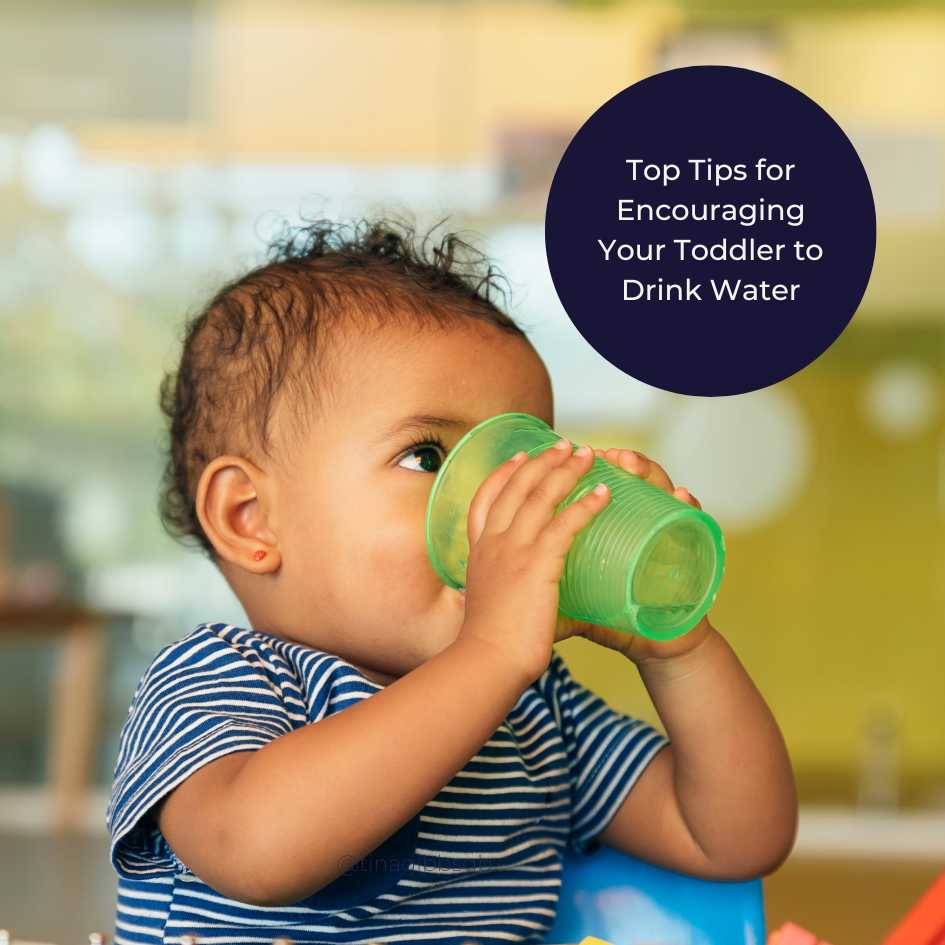
Top Tips for Encouraging Your Toddler to Drink Water

As a parent, you know how crucial it is to keep your little one hydrated, especially during the warmer months. But convincing a toddler to drink water can sometimes feel like a monumental task. Fret not, for we’ve compiled a handy guide tailored for parents in the UK, filled with tips and tricks to make hydration a breeze for your tiny tot.

  1. Lead by Example: Children often mimic their parents’ behaviors. So, make sure you’re setting a good example by drinking water regularly throughout the day. Let them see you enjoying a refreshing glass of water, and they’ll be more inclined to follow suit.
  2. Make It Fun: Turn drinking water into a fun activity! Invest in colourful, child-friendly cups with their favourite cartoon characters or animals. You can even let them pick out their own special cup to use exclusively for water.
  3. Add Some Flavour: Sometimes, plain water can be a bit boring for little taste buds. Infuse water with slices of fruits like strawberries, oranges, or cucumbers to add a hint of flavour without the added sugars found in many fruit juices.
  4. Create a Routine: Establishing a routine can help make drinking water a habit for your toddler. Offer water at regular intervals throughout the day, such as with meals or during snack times. Consistency is key!
  5. Set Reminders: Toddlers can easily get caught up in playtime or other activities and forget to drink water. Set gentle reminders throughout the day to encourage them to take a sip. You could use a timer or make it a part of their daily schedule.
  6. Offer Variety: While water should be the main beverage of choice for your toddler, offering variety can keep things interesting. You can include other hydrating options like diluted fruit juices or herbal teas, but remember to keep an eye on added sugars and opt for healthier alternatives.
  7. Make It Accessible: Keep a filled water bottle within easy reach for your toddler throughout the day. Whether they’re playing in the garden or having quiet time with a book, having water readily available will encourage them to drink more.
  8. Praise and Reward: Positive reinforcement goes a long way with toddlers. Shower them with praise and encouragement every time they finish a glass of water or reach for their water bottle independently. You could also introduce a simple reward system to further incentivise healthy hydration habits. You can download my free printable reward chart here.
  9. Stay Patient: Remember, habits take time to develop, and every child is different. Be patient and persistent in your efforts to encourage your toddler to drink water. Celebrate small victories along the way, and soon enough, staying hydrated will become second nature for your little one.
  10. Consult a Professional if Concerned: If you’re worried about your toddler’s hydration levels or if they consistently refuse to drink water, don’t hesitate to seek advice from your healthcare provider. They can offer personalised guidance and ensure your child stays happy and healthy.

In conclusion, keeping your toddler hydrated doesn’t have to be a battle. With a little creativity, consistency, and patience, you can instill healthy hydration habits that will benefit your child for years to come. Here’s to happy sipping and a well-hydrated little one!

Posted on — Leave a comment

Waterbirth: A Natural Approach to Childbirth

Waterbirth: A Natural Approach to Childbirth

Waterbirth is a natural approach to childbirth. During a waterbirth you labour in a pool of warm water and may also give birth while in the pool. This natural approach has gained popularity for its perceived benefits and the soothing effects of water your childbirth journey.

Benefits of Waterbirth

Pain Relief: The buoyancy of water can provide natural pain relief during labour, helping to ease your contractions and promote relaxation. Reduced need for medical pain relief such as an epidural.

Reduced Stress: Immersion in warm water can help reduce stress hormones, promoting a more relaxed and comfortable birthing experience.

Improved Blood Circulation: Water immersion can enhance blood circulation, potentially reducing the risk of complications such as high blood pressure during labour.

Promotes Natural Birthing Positions: The freedom of movement in water allows you to adopt various birthing positions, facilitating a more natural and instinctive birth.

Gentle Transition for the Baby: Babies born in water may experience a smoother transition from the womb to the outside world due to the warmth and buoyancy of the water.

What, where and when? Practicalities of waterbirth

Preparation: Set up your pool in a spacious area. Your midwife would like to have access to you from at least three sides. Keep all essentials, including towels, are within reach.

When to get into the pool: Get into the pool when your contractions are regular and become challenging to cope with. Entering the pool too early can slow down or even stop the childbirth process.

Birthing in water: When you feel the urge to push, ensure your baby’s head remains submerged upon emerging to prevent your baby from taking a breath until the body is fully out.

After Birth: The baby is gently lifted out of the water and placed on to your chest. The umbilical cord is usually left unclamped until it stops pulsating.

Birthing the placenta: Most healthcare providers will recommend to birth your placenta “on dry land”. This is to help them assess your blood loss. It is harder to judge when you are submerged in water. However, if you would like to birth the placenta in water talk to your midwife in advance to make arrangements.

Here are some waterbirth affirmations you might find useful for your birth experience:

  1. “My body is perfectly designed for this water birth experience, and I trust its innate wisdom.”
  2. “With every wave of the water, I feel more relaxed and confident in my ability to birth my baby.”
  3. “As the water embraces me, I surrender to the natural rhythm of labour and welcome my baby’s arrival with joy.”
  4. “Each breath I take in the water fills me with strength and peace, guiding me through this sacred journey of birth.”
  5. “I am surrounded by love and support as I labour in the water, knowing that I am safe and protected.”
  6. “The warmth of the water eases any discomfort, allowing me to focus on the beauty of bringing new life into the world.”
  7. “With each contraction, I release tension and fear, embracing the powerful energy that brings my baby closer to me.”
  8. “As I float in the water, I am filled with gratitude for the miracle of life unfolding within me.”
  9. “The gentle movement of the water reminds me to stay present and connected to my body and my baby.”
  10. “With each passing moment, I draw upon my inner strength and resilience, knowing that I am capable of birthing my baby with grace and ease.”

Planning a waterbirth

To help you plan your waterbirth, start planning early. Also download my waterbirth handout and relaxation script package. Everything you need to guide you through the planning of your waterbirth!

Waterbirth offers you as an expectant parent a natural and potentially beneficial alternative to other childbirth methods. With preparation, support, and attention to safety guidelines, waterbirth can be a rewarding and empowering experience for you and your family.

[Note: Always consult with your healthcare provider to determine if waterbirth is a suitable option for you based on your individual health needs and circumstances.]

Online Birth Preparation Course only £35!

Please also check out my online course! No videos, just text and images to learn in your own time. Includes hypnobirthing mp3s, scripts, workbook, handouts, infographics and much more! Lots and lots of information at your fingertips! Includes:

  • hypnobirthing mp3s
  • hypnobirthing scripts
  • written information
  • infographics and other imagery
  • printable handouts
  • printable workbook/journal

Sources and Further Reading

  • Birthplace in England Collaborative Group, Perinatal and maternal outcomes by planned place of birth for healthy women with low risk pregnancies: the Birthplace in England national prospective cohort study, BMJ 2011;343:d7400 (2011)
  • Burns E, Feeley C, Hall PJ, et al Systematic review and meta-analysis to examine intrapartum interventions, and maternal and neonatal outcomes following immersion in water during labour and waterbirth. BMJ Open 2022;12:e056517. doi: 10.1136/bmjopen-2021-056517. Accessed 03 February 2024. Available at: https://bmjopen.bmj.com/content/12/7/e056517.full
  • Care Quality Commission, Women’s experiences of maternity care in England: Key findings from the 2013 NHS trust survey (2013) Cluett ER, Burns E, Immersion in water in labour and birth, Cochrane Database of Systematic Reviews 2009, Issue 2. Art. No.: CD000111. DOI: 10.1002/14651858.CD000111.pub3. (2009)
  • Cluett ER, Burns E, Cuthbert A. Immersion in water during labour and birth. Cochrane Database of Systematic Reviews 2018, Issue 5. Art. No.: CD000111. DOI: 10.1002/14651858.CD000111.pub4. Accessed 03 February 2024. Available at: https://www.cochranelibrary.com/cdsr/doi/10.1002/14651858.CD000111.pub4/full
  • Gilbert RE, Tookey PA. Perinatal mortality and morbidity among babies delivered in water: surveillance study and postal survey. BMJ. 1999 Aug 21;319(7208):483-7. doi: 10.1136/bmj.319.7208.483. PMID: 10454400; PMCID: PMC28200. Accessed 03 February 2024. Available at: https://pubmed.ncbi.nlm.nih.gov/10454400/
  • National Collaborating Centre for Women’s and Children’s Health, Intrapartum care: care of healthy women and their babies during childbirth. NICE Clinical Guideline 190,London: National Institute for Health and Clinical Excellence (2014)
  • Nikodem VC. Immersion in water in pregnancy, labour and birth. Cochrane Database Syst Rev. 2000;(2):CD000111. doi: 10.1002/14651858.CD000111. Update in: Cochrane Database Syst Rev. 2004;(2):CD000111. PMID: 10796134. Accessed 03 February 2024. Available at: https://pubmed.ncbi.nlm.nih.gov/10796134/
  • Science Direct: https://www.sciencedirect.com/topics/nursing-and-health-professions/water-birth
  • Ulfsdottir H, Saltvedt S, Georgsson S, Women’s experiences of waterbirth compared with conventional uncomplicated births, Midwifery,Volume 79,2019, Accessed 03 February 2024. Available at: https://doi.org/10.1016/j.midw.2019.102547
Posted on — Leave a comment

Pelvic Floor exercises for labour and birth

pelvic floor exercises for labour and birth

Pelvic Floor exercises for labour and birth. Being pregnant and birthing your baby can affect your pelvic floor muscles. When your pelvic floor muscles are weak, you may find that you leak urine when you sneeze or cough. This is quite common and no need to be embarrassed. To strengthen your pelvic floor muscles during and beyond pregnancy and birth you can do some exercises.

Here’s how:

  • Start by placing one hand on top of your pump and the other one on one of your shoulders. Breathe comfortably for 4-5 breaths.
  • As soon as your breathing is relaxed, you should feel that the hand on your bump moves up and down more than the one on your shoulder. If you cannot feel this, try to stop your shoulders from moving and let your bump rise and fall naturally. Alternatively, listen to the quick relaxation provided in the next section to achieve relaxed breathing.
  • Now, as you breathe out, gently pull up your front and back pelvic floor muscles (as if you were stopping yourself from going to the toilet). Don’t hold your breath, keep breathing. Gently squeeze as you breathe in and relax the pelvic floor muscles as you breathe out. Repeat 4-5 times.
  • Then try to hold the contraction (squeeze) for a few seconds while breathing normally.
  • Your lower abdominal (belly) muscles may tighten, that’s fine. If you feel your upper abdominal muscles (above your belly button), you’re trying too hard! In that case, repeat the relaxed breathing exercise from the beginning.

Aim to be able to hold your pelvic floor muscle contraction for 10 seconds while breathing normally. If you find yourself holding your breath, start from the beginning again. It takes practice.

The NHS recommends 3 sets of 8 squeezes daily.

Practice makes progress!

TOP TIPS

If you struggle to remember to do your pelvic floor exercises try to make them part of your daily routine, and create a habit. For example:

  1. every time you go to the toilet do your pelvic floor exercises after you are finished on the toilet…
  2. every time you are waiting for the kettle to boil…
  3. Use notes with the word ‘squeeze’ and pop them on your kettle, fridge door, mirror…
  4. Use an app that reminds you. There are a few free and paid ones out there. The NHS recommends ‘squeezy’, which is currently £2.99 (as per August 2022).

Pelvic tilts for pregnancy

A useful exercise when you experience backache but can also aid your comfort during the early stages of labour.

You can do pelvic tilts while you sit or you can be on your hands or knees. If you experience discomfort in your wrists or shoulders when on your hands and knees, try leaning over a birth ball, bean bag or chair with a cushion.

Pelvic tilts help to strengthen your abdominal muscles which in return eases back pain. In addition, these exercises can help your baby get in a more optimal position for birth. Strong abdominal muscles can also help reduce back pain after birth.

How to:

On your hands and knees or leaning over a ball

  • Have your arms shoulder-width apart and your knees in line with your hip-width. Keep your arms straight but don’t lock your elbows.
  • arch your back as much as you can, so that your coccyx (tailbone) is tucked in underneath you. Hold for a few seconds. Then arch your back the opposite way so that your coccyx is sticking out. Hold for a few seconds. Repeat slowly and smoothly. Find your own rhythm and pace.

Sitting (on a birth ball)

  • Sit comfortably with your feet on the ground and your legs hip-width apart. Have your arms hang to the side of your body.
  • Slump down and then arch your back.
Posted on — 2 Comments

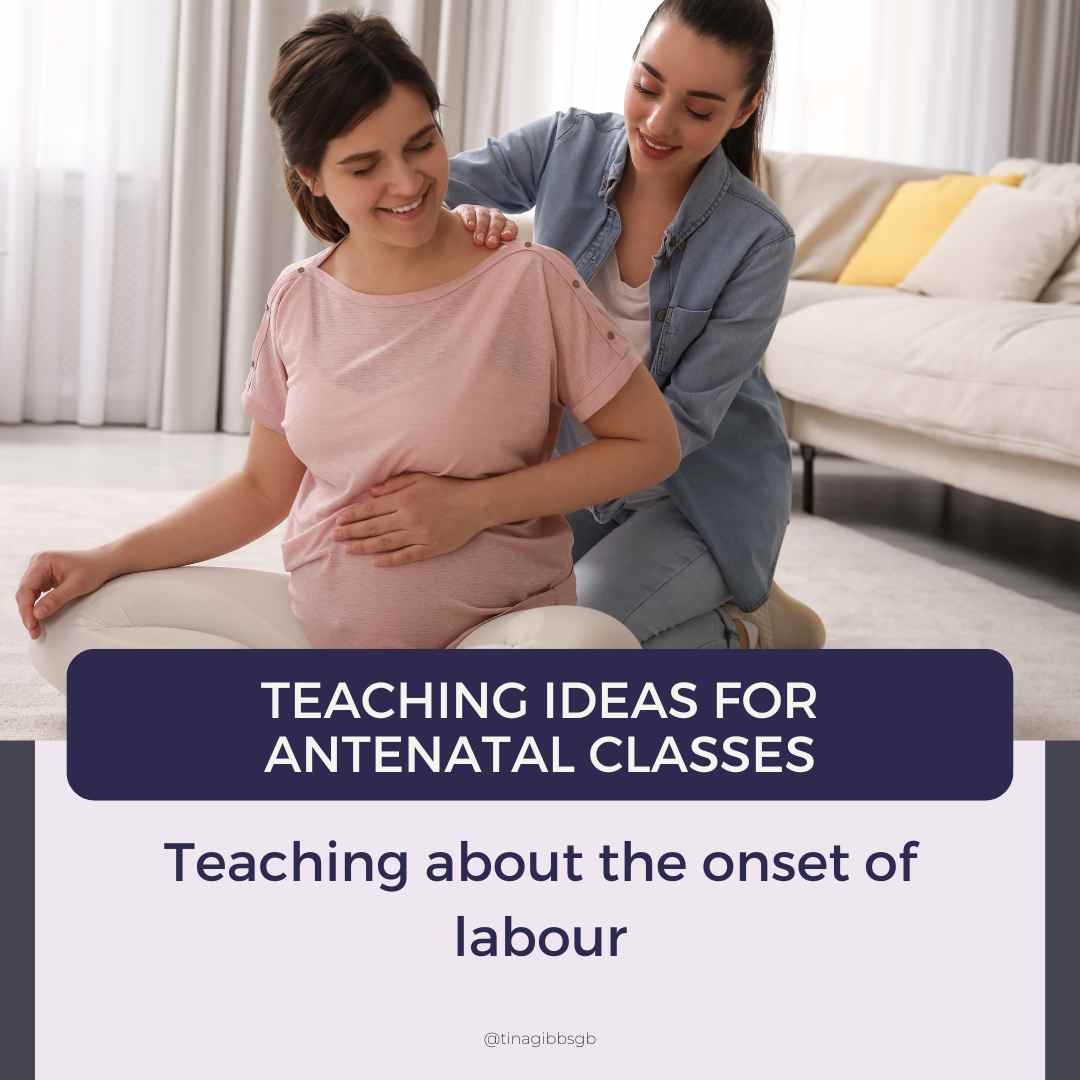
Onset of labour – Activities for Childbirth Education

Onset of labour – Activities for Childbirth Education Classes. Some ideas for antenatal teachers, midwives, doulas and other birth workers.

I think it is safe to say that almost every expectant parent is thinking about the onset of labour.

  • How do we know?
  • When do we go to the hospital?
  • When do we call the midwife?
  • When do we call our partner?
  • What does it feel like?

During my years as an antenatal teacher, doula & facilitator, I have observed many other practitioners, attended antenatal classes when I was pregnant, read books and blogs. I have adapted and developed a number of different activities to cover the onset of labour in group as well as one-to-one sessions.

When I started my journey as an antenatal teacher, I used an activity by Mary Nolan to explore the onset of labour. From her book Antenatal Education: A dynamic approach.

In this activity, each group / couple has a set of cards with ‘symptoms’ on them such as ’41 weeks pregnant’, ‘strong regular contractions’, ‘lower back pain’, ‘waters break with a gush’, ‘mild irregular contractions’, etc… Each group is asked to shuffle their cards, then holding them face down and revealing one ‘symptom’ at a time. Lining the symptoms up, coming towards them. Each group has to decide “we are in labour” and to stop turning over cards.
While this activity sounds great and works well in tutorials with fellow future Antenatal Educators, I found that couples struggled to follow the concept and were mostly sorting the cards by ‘labour’ ‘not labour’ instead… I have called the activity “Call the midwife?!?) and you can download it for free when you sign up for my newsletter (see sign up form below). This might have to do with my ability (or lack of) to explain the activity, who knows? This and many other labour and birth related activities are included in my ‘Labour & Birth Bundle’.

For my own sessions 1:1 and group, I now use a labour timeline approach. I mostly use both, my labour timeline banner and a labour beadline. After discussing possible signs of labour and warning signs in a brainstorm activity (depending on group size; possibly in 2 groups) We discuss in big group. I reveal the labour timeline bit by bit afterwards.

Labour Timeline Banners
Labour Beadline

Focus: onset of labour. The participants are asked (in small groups if I am working with a group) to come up with

  1. who to contact / how can we be ready / what do we need to remember to take with us?
  2. Comfort measures
  3. what happens (in the woman’s body)? where are we? where are we going?

This usually gives pregnant women and their partners a very good opportunity to think about having enough petrol in the car, do we both know where the notes are?, is the birth bag ready, do we have a plan B for transport (just in case)… Leading on to how ‘being ready’ having ‘a plan B’ can aid onset of labour as well as progress, bringing it back to hormones…. My hormones of labour and birth posters are hanging on a wall / table during the activity. 


Posted on — Leave a comment

8 tips for self-care in pregnancy

8 tips for self-care in pregnancy, why is that a thing?

During your pregnancy, many expectant parents will focus on what is best for their baby. One of the most important parts of doing the right thing for your baby should be taking care of yourself. While there are a lot of things to prepare before your baby comes, you need to focus on your physical and mental health. These tips for pregnancy self-care may help you prioritize your health and wellness for the benefit of you and your baby and your immediate family.

Not sure where to start? Here are my 8 tips for self-care in pregnancy:

  1. Keep a diary or do some journaling
    • Many people find creativity relaxing and soothing for their minds. Why not try some journaling? Here are some free affirmations that can get you started!
  2. Enjoy some bonding time
    • Bond with your baby while you are listening to your hypnosis tracks, mediate or just sit and relax. Stroke your belly and tune into your little one! A great way to do this is to listen to my “Bonding with your baby” track!
  3. Have a bath or shower or go for a swim
    • Being in water can help you feel weightless again! Many pregnant parents love the way it feels to be floating in a swimming pool! Alternatively, have a relaxing bath while listening to some music or reading a book!
  4. Try a pregnancy massage
    • If you are a fan of massages, a pregnancy massage is an awesome way to practice some self-care. Have a look for some local massage therapists who offer pregnancy massages. Local to me (I am in Nottinghamshire, UK) there is the amazing Emily offering her pregnancy massages at The Parlour.
  5. Enjoy early nights
    • Growing a baby is exhausting! Enjoy some early nights!
  6. Eat well
    • Check with your healthcare provider which foods are recommended and not during pregnancy. The recommendations vary from time to time and country to country. So, it’s best to check with your local and current recommendations.
  7. Enjoy some (long) walks in the fresh air
    • Enjoy some (long) walks and bathe in nature. Nature bathing might sound like an alien concept but most people will have done it before. Nature bathing is taken from the Japanese concept of forest bathing. It means that you are outside and mindfully enjoy and experience nature. Turn off your phone, clear your mind and stroll through your local country side. Lots of studies shoe that this is good for mental wellbeing.
  8. Talk to a friend or family member
    • We all know that talking to a loved-one can really boost our wellbeing. So, phone a friend or meet them for a cuppa and a chat!

What do you do to relax? Share your ideas with me and other expectant parents!

Now is the time to enroll in your online birth preparation course!

Please also check out my online course! No videos, just text and images to learn in your own time. Includes hypnobirthing mp3s, scripts, workbook, handouts, infographics and much more! Lots and lots of information at your fingertips! Includes:

  • hypnobirthing mp3s
  • hypnobirthing scripts
  • written information
  • infographics and other imagery
  • printable handouts
  • printable workbook/journal
Posted on — Leave a comment

How long does labour last?

How long does labour last?

How long does labour last? What is the average time for labour & childbirth?

In medical terms labour is divided into three stages:

  • 1st stage – where your uterus and body are getting ready. Your cervix is softening and will begin to open until it is fully open (dilated). It is sometimes referred to as the “up stage” because the sensations are pulling/moving upwards. .
  • 2nd second – the second stage begins when you’ll feel the urge to push. It is sometimes referred to as the “pushing stage” or “down stage” because the sensations are pushing downwards. At the end of this stage, your baby will be here.
  • 3rd stage – the birth of the placenta. After your baby is born, you’ll have to give birth to the placenta. This is what is happening in the 3rd and final stage of labour.

So, how long does labour last? According to the NHS, the average first labour lasts between 8-12 hours and subsequent births will be significantly quicker (approx. 5 hours). However, your midwives will only record the timing from when you are considered to be in established labour, which is when your cervix is already around 4cm dilated (open). That means that the contractions and sensations that you are experiencing until then are not officially ‘counted or measured’. However, birthing folk themselves will usually add that time on when they describe their experience. It will take hours or sometimes days (first birth) from your baby dropping (lightening) to the beginning of established labour (4cm). Use this time to rest when you can, hydrate and keep your positive energy up!

Although the NHS and other healthcare providers divide labour and birth into three stages, it is not always that simple… Each medical stage can itself be divided into further smaller steps and stages. When speaking to women and people who have given birth and/or attended births, they describe the birthing process in many more steps. Milli Hill, for example, divides the birth into 15 steps in her Positive Birth Book (affiliate link).

Here is a graphic to show a timeline of childbirth:

How long does labour last?
Childbirth/labour timeline

Posted on — Leave a comment

What to wear during childbirth?

what to wear during childbirth

A question that comes up frequently during my childbirth preparation classes is “What to wear during childbirth?”.

The answer is, whatever feels comfortable to you. There are a few things you may wish to consider when deciding what to wear during childbirth

  • The birth environment – While you are in control of the temperature of your home, hospital birthing rooms tend to be very hot!
  • Are you giving birth in water? – if you are using/planning on using a birthing pool, you may wish to consider to not wear anything on your bottom half once you get into the pool. Clothes are more difficult to take off when they’re wet!
  • Are you planning a caesarean birth? Think about accessibility for skin-to-skin after the birth. Ask your care provider about your options. Most NHS trusts in the UK support skin-to-skin after a planned caesarean birth and do also support alternative clothing instead of the hospital gown.
  • Skin-to-skin straight after birth is important for your and you. It helps initiate breastfeeding and bonding but also helps to transfer good bacteria to your baby. Think about the clothing you are wearing during the birth of your child and check, whether skin-to-skin would be easily possible with your chosen clothing.
  • Breastfeeding/chestfeeding/bodyfeeding/nursing – If you are planning on nursing your baby, it is important to wear clothing which allow easy access to your breasts/chest.
  • Personal comfort & body confidence are also an important factor when choosing clothing for childbirth. At the end of the day it’s your choice and you’ll choose clothing which make you feel comfortable! You may of course choose to not wear any clothing!

In conclusion, wear comfortable, loose fitting clothes which allow access to your chest for the golden hour.

Posted on — Leave a comment

Make some noise during childbirth

Make some noise during childbirth

Make some noise during childbirth or not? What do you think is more helpful or beneficial for the birthing process?

The Mirror, recently printed an article about a mother who had shared on social media that her doctor told her to be quiet when giving birth. She felt that that was rude, which prompted me to write this post…

Make some noise during childbirth

Now, make some noise during childbirth? Yes, make some noise during childbirth!

Most women and birthing people will make some noise when they are birthing their baby or babies. You can use the noise to your advantage! Especially, lower, deeper abdominal noise and sounds can be helpful! If in doubt, any noise is better than holding your breath! Here are some examples of noised I’ve heard when attending births:

Growling/roaring – Occurs most likely and often during pushing, when a woman must summon up all of her strength to push out baby.

Low grunting – deep sounding noise from inside your abdomen, can help the birth process. It’s most often heard during the second stage (pushing) of labour. When making those deep, low sounds, you are using your diaphragm which helps the ‘pushing stage’.

Mantra/Affirmations/repeating words – another helpful way to stay calm, strong and focused during birth is to repeat a helpful mantra, affirmations or some words. The use of affirmations or mantra’s for birth is very common. You can sing them, say them out loud, say them in your head and/or read them. Here are some free affirmations for you to chose from/print or make your own. I have a recorded affirmation mp3 for which includes the script, so that your doula or partner can read them to you. They recording is available with and without background music.

Screaming – Unlike what you see in movies, screaming is actually uncommon during childbirth. However, if you observe the birthing woman or person screaming, it’s most likely that they are panicking and need some assistance/support to ground themselves, calm down and relax. A shoulder/touch anchor can be very helpful in this situation. To learn more about anchors for childbirth, join a hypnobirthing class!

Were you surprised about the noises you made while giving birth or you heard when someone was giving birth? Tell us in the comments!

Posted on — Leave a comment

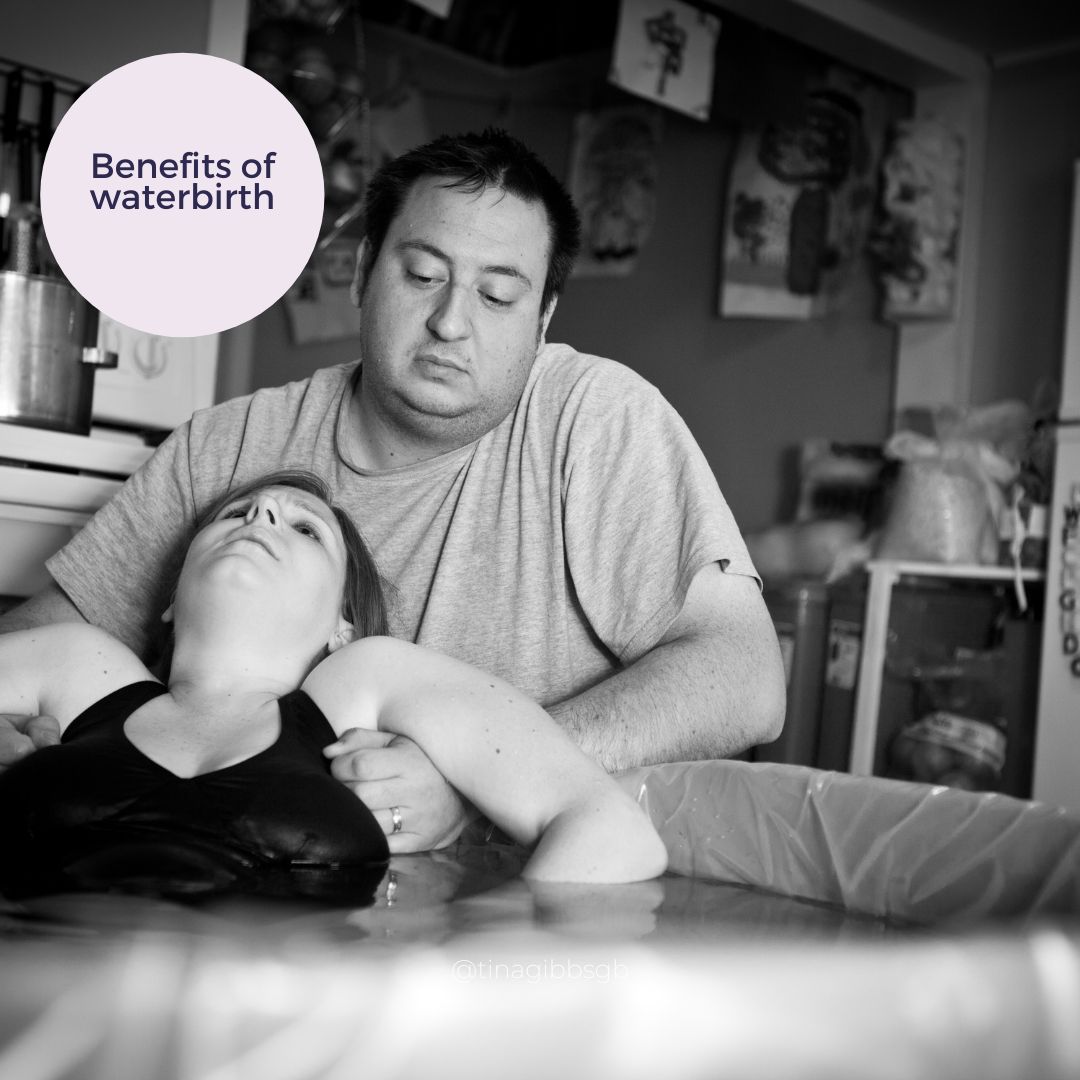
Benefits of Waterbirth

benefits of waterbirth

Due to it’s benefits, waterbirth has become increasingly popular with expectant families in the recent years. Let’s explore the benefits and possible disadvantages as well as practicalities a little further.

The Benefits of waterbirth:

  • Contractions will more comfortable
  • No known side effects on baby or mum
  • The warm water helps you to relax
  • Being relaxed helps your body to produce more endorphins (natural pain killers)
  • Being relaxed helps your body to produce more oxytocin (makes your contractions more efficient)
  • Less need for medical pain relief
  • Less need for drugs that accelerate labour
  • Shorter labour
  • Added privacy
  • Water supports your weight and makes you feel more comfortable and it will be easier for you to move and change positions.
  • You are more likely to achieve an unassisted vaginal birth
  • The birth is more gentle for your baby
  • Breastfeeding can be encouraged immediately
  • Reduced tearing as the water relaxes you and softens the perineum (the area between your vagina and anus).
  • A more enjoyable experience of labour and birth

Other comfort measures which can be used alongside/inside the pool:

Possible disadvantages:

  • Not suitable for everyone—under certain circumstances using water for labour / birth may not be recommended
  • Not available everywhere—your local birth unit or hospital may have limited or no pools
  • To hire or buy a birth pool for a homebirth can be expensive
  • Your home / hot water system may not be suitable for a pool

Other comfort measures which CANNOT be used inside the pool:

  • Tens machine – however, you can use your tens machine until you enter the pool!
  • Epidural
  • Opioids

Buying or hiring a pool for your homebirth?

There are many different suppliers and manufacturers. In my over 10 years of experiences in the birth world, I found that the pools from ‘Birth Pool in a box’ get the best reviews. Seek out your local homebirth group (if there is one). They may have a free or reduced-cost pool hire scheme. If you are looking to buy a birth pool or have hired or borrowed one and need further equipment, get 10% off everything at the Birth Pool in a Box shop! (Please note, this is an affiliate -sponsored- link!)

Online Birth Preparation Course only £35!

Please also check out my online course! No videos, just text and images to learn in your own time. Includes hypnobirthing mp3s, scripts, workbook, handouts, infographics and much more! Lots and lots of information at your fingertips! Includes:

  • hypnobirthing mp3s
  • hypnobirthing scripts
  • written information
  • infographics and other imagery
  • printable handouts
  • printable workbook/journal

References and further reading: