Posted on Leave a comment

Creative Pregnancy Announcement Ideas to Share Your Big News

Creative Pregnancy Announcement Ideas

Creative Pregnancy Announcement Ideas to Share Your Big News

Discovering you’re expecting is one of the most exciting moments in life, and announcing your pregnancy to loved ones can be just as thrilling! Whether you’re looking for something sweet and simple or planning a grand reveal, here are some fun and unique pregnancy announcement ideas that will leave everyone buzzing with joy.

1. A Personalised Puzzle Pregnancy Announcement

Why not have your family and friends solve a mystery to discover your exciting news? Customised jigsaw puzzles are a wonderful way to turn your pregnancy reveal into an interactive moment. Order a personalised puzzle online with a message like “We’re expecting!” or “Baby on the way!” Watch the delight unfold as they piece it together and realise what it means.

2. Printable Escape Room Reveal

For something truly unique and immersive, consider a printable escape room. This idea brings a bit of adventure to your announcement, making it a fun challenge for your loved ones. You can create a themed escape room where participants have to solve puzzles, follow clues, and unlock the final message – your pregnancy announcement! There are various themes you could explore, such as woodland animals, holidays, or a bespoke theme that reflects your family’s personality. If you’d like me to create a bespoke printable escape room for you, please get in touch! You can easily design a DIY escape room using printable puzzles and clues, or download a pre-made version. At the end of the game, participants unlock the big surprise – perhaps using a 4-digit code that reveals the news. It’s an exciting way to make the moment unforgettable! You can also purchase your baby shower printables from my site!

3. A Baby Book Reveal

Take an unexpected approach by gifting family and friends a classic baby book. Inside, write a heartfelt message announcing your pregnancy. You could also include an ultrasound photo or a handwritten note. This is a sweet, sentimental way to share the news, perfect for those who appreciate personal touches.

4. Pet Announcement

If you have a pet, let them take part in the big reveal! Dress up your dog, cat, or even your rabbit with a cute sign or bandana that says something like “Big Brother” or “Big Sister.” Snap a photo of your pet looking proud (or confused!) and send it to family and friends. This light-hearted approach is sure to get plenty of smiles.

5. A Family Photo with a Twist

Organise a family photo shoot with a little twist. Pose with your partner in a way that subtly hints at your pregnancy – holding a tiny pair of baby shoes, a tiny outfit, or an ultrasound picture. Later, you can send out the photos or post them online to reveal your news. A picture says a thousand words, and this one will say just the right thing!

6. A Bunting or Banner Announcement

Create a banner or bunting with the words “Baby on the way” or “We’re expecting!” Hang it somewhere special in your home and invite close family and friends over for a casual get-together. As they walk in, they’ll be greeted by your big news. This idea works beautifully for intimate gatherings or even a surprise video call.

7. A Creative Cake Pregnancy Announcement

Everyone loves cake! You can announce your pregnancy by bringing out a beautifully decorated cake with a hidden message inside. You might choose to have the cake filled with coloured icing or even a small note or toy that reveals your exciting news when cut. Whether you opt for a simple design or something a bit more elaborate, it’s bound to be a sweet surprise.

8. A Custom Scratch Card

For a creative and unexpected announcement, custom scratch cards are an excellent option. You can create personalised cards that have a message like “We’re having a baby!” hidden under a scratch-off layer. Hand them out to friends and family and watch their faces light up as they reveal the big news. It’s a clever, interactive way to share your happiness.

9. Baby-Themed Gift Reveal

Wrap up a baby item such as a onesie, a baby book, or a small toy, and give it to your family or friends as a “just because” gift. When they open it, the meaning will dawn on them, and you’ll get to see their priceless reactions. This is a great way to share the news in a personal and meaningful way, especially with those closest to you.

10. Holiday-Themed Announcement

If you’re revealing your pregnancy around a holiday, take advantage of the festive spirit! For example, a Christmas pregnancy announcement could involve a special ornament that says “Baby’s First Christmas – Coming Soon.” For Halloween, consider a tiny pumpkin or a baby skeleton costume with “Due in [month]” written on it. This adds a playful touch to an already joyful time of year.

No matter how you decide to announce your pregnancy, the most important part is making it memorable for both you and your loved ones. Whether it’s through a personal photo, an interactive escape room, or a simple gift, sharing this exciting news in your own way will make it truly special.

Online Birth Preparation Course only £35!

Please also check out my online course! No videos, just text and images to learn in your own time. Includes hypnobirthing mp3s, scripts, workbook, handouts, infographics and much more! Lots and lots of information at your fingertips! Includes:

  • hypnobirthing mp3s
  • hypnobirthing scripts
  • written information
  • infographics and other imagery
  • printable handouts
  • printable workbook/journal
Posted on Leave a comment

Choosing the Perfect Birthplace: A Guide for Expectant Parents

Choosing the Perfect Birthplace: A Guide for Expectant Parents

Choosing the Perfect Birthplace for you, your partner and your baby is one of the first decisions you’ll have to make when you are pregnant.

Bringing a child into the world is a big journey, full of excitement and maybe some nervousness. As expectant parents, choosing where to have the baby is a very important decision. It affects your birthing experience, safety, and overall well-being. This guide will help you understand your options and give insights from the Birth Place Study to help you make this important decision.

Exploring Your Birthplace Options:

  1. Hospital Birth: Hospitals are the traditional choice for childbirth, offering a comprehensive array of medical interventions and specialized care. They are well-equipped to handle emergencies and complications that may arise during labour, providing access to pain relief options and advanced medical technology.
  2. Birth Centers: Birth centers offer a refreshing alternative to hospital settings, providing a warm, homelike environment conducive to natural childbirth. Staffed by midwives who emphasize personalized care and minimal interventions, birth centers cater to low-risk pregnancies and individuals seeking a more intimate birthing experience. Some Birth Centers aka Midwife-led Units are situated on the same site as a hospital, others operate as stand-alone units and transferral requires a ride in the ambulance.
  3. Home Birth: Home birth allows you to embrace the comfort and familiarity of your own surroundings while welcoming your baby into the world. Supported by certified midwives experienced in home births, you have the freedom to tailor your birthing experience to align with your preferences and values.

Insights from the Birth Place Study:

The Birth Place Study, a landmark research endeavor conducted in the UK, examined the outcomes of planned home births, planned birth center births, and planned hospital births. Here are some notable findings:

  • Safety: For low-risk pregnancies, planned home births and planned birth center births were found to be as safe as planned hospital births for the baby.
  • Interventions: Individuals who opted for home births or birth center births experienced fewer medical interventions, such as cesarean sections and assisted vaginal deliveries, compared to those who chose hospital births.
  • Satisfaction: Mothers who gave birth at home or in a birth center reported higher levels of satisfaction with their birthing experience compared to those who delivered in a hospital setting.

Factors to Consider:

  • Medical History: Your medical background and any preexisting conditions should be carefully considered when selecting a birthplace.
  • Personal Preferences: Reflect on your preferences regarding pain management, interventions, and the ambiance in which you envision giving birth.
  • Access to Care: Evaluate the accessibility of emergency medical services and specialized care, particularly if complications arise during labour.

Consultation with Your Healthcare Provider:

Your healthcare provider serves as an invaluable resource throughout your pregnancy journey. Schedule a consultation to discuss your options, address any concerns, and receive personalized guidance tailored to your unique circumstances.

Ultimately, the decision of where to have your baby is deeply personal and should align with your individual needs, values, and aspirations. Trust your instincts, seek support from your partner and healthcare team, and embark on this transformative journey with confidence and clarity.

Wishing you a smooth and joyous pregnancy experience, filled with boundless love and anticipation for the beautiful journey ahead.


Feel free to engage with us by sharing your thoughts and experiences in the comments section below. Your insights may serve as a source of inspiration and guidance for others on a similar path when they are Choosing the Perfect Birthplace for them.

Online Birth Preparation Course only £35!

Please also check out my online course! No videos, just text and images to learn in your own time. Includes hypnobirthing mp3s, scripts, workbook, handouts, infographics and much more! Lots and lots of information at your fingertips! Includes:

  • hypnobirthing mp3s
  • hypnobirthing scripts
  • written information
  • infographics and other imagery
  • printable handouts
  • printable workbook/journal

Sources and further reading:

Posted on Leave a comment

Navigating Stress in Pregnancy: Understanding the Sympathetic Nervous System

navigate stress in pregnancy

Navigating stress in pregnancy: Understanding the Sympathetic Nervous System. How to spot the signs of stress and how to combat stress during our pregnancy.

Your pregnancy is a beautiful and transformative journey for many women, but it also comes with its fair share of challenges and stressors. Stress during pregnancy is not uncommon and can be triggered by various factors such as hormonal changes, physical discomfort, or concerns about the upcoming responsibilities of parenthood. During these times, the body’s intricate systems, including the Sympathetic Nervous System (SNS), play a crucial role in how a pregnant woman or person responds to and copes with stress.

We will explore the Sympathetic Nervous System and its impact on expectant mothers/pregnant people, shedding light on the importance of managing stress for the well-being of both the you and your developing baby.

Understanding the Sympathetic Nervous System

The nervous system is divided into two main branches: the Central Nervous System (CNS) and the Peripheral Nervous System (PNS). The PNS further branches into the Sympathetic Nervous System (SNS) and the Parasympathetic Nervous System (PNS), each responsible for distinct physiological responses.

The Sympathetic Nervous System is often referred to as the “fight or flight” system. When activated, it prepares the body to respond to perceived threats by releasing stress hormones such as cortisol and adrenaline. During pregnancy, the SNS can be triggered by various stressors, including emotional, physical, or environmental factors.

Impact of Stress on Pregnancy

While the body’s stress response is a natural and adaptive mechanism, chronic activation of the SNS during pregnancy can have significant implications for both you and your developing baby. Research suggests that prolonged stress may contribute to adverse outcomes, including preterm birth, low birth weight, and developmental issues.

  1. Preterm Birth: High levels of stress hormones circulating in your bloodstream can lead to uterine contractions, potentially triggering preterm labour. Babies born prematurely may face health challenges and require specialized care.
  2. Low Birth Weight: Chronic stress during pregnancy has been linked to lower birth weight in infants. Low birth weight can increase the risk of health complications for the baby and may impact their long-term development.
  3. Developmental Issues: The developing fetus is sensitive to the hormonal fluctuations caused by maternal stress. Studies have suggested a correlation between maternal stress and an increased risk of behavioral and cognitive issues in children.
Navigating Stress during Pregnancy

Recognizing the impact of stress on pregnancy underscores the importance of implementing effective stress management strategies. Here are some techniques for you to incorporate into your routine:

  1. Mindfulness and Relaxation Techniques: Practices such as meditation, deep breathing exercises, and guided imagery can help activate the Parasympathetic Nervous System, promoting relaxation and reducing stress.
  2. Regular Exercise: Physical activity has been shown to have positive effects on mood and stress reduction. Engaging in safe and appropriate exercises during pregnancy can contribute to overall well-being. Try pregnancy yoga, pilates or swimming.
  3. Support System: Building a strong support system is crucial during pregnancy. Whether it’s through friends, family, or support groups, having a network to share experiences and concerns can alleviate stress. Meet and make friends with other expectant parents during your antenatal classes.
  4. Healthy Lifestyle: Maintaining a balanced and nutritious diet, staying hydrated, and getting enough sleep contribute to overall well-being and can help mitigate stress.

Your pregnancy is a unique and transformative journey, and managing stress is an essential aspect of ensuring the health and well-being of both you and your developing baby. Understanding the role of the Sympathetic Nervous System and implementing effective stress management strategies can contribute to a more positive and fulfilling pregnancy experience. By prioritizing self-care and seeking support, you can navigate the challenges of pregnancy with resilience and grace.

Online Birth Preparation Course only £35!

Please also check out my online course! No videos, just text and images to learn in your own time. Includes hypnobirthing mp3s, scripts, workbook, handouts, infographics and much more! Lots and lots of information at your fingertips! Includes:

  • hypnobirthing mp3s
  • hypnobirthing scripts
  • written information
  • infographics and other imagery
  • printable handouts
  • printable workbook/journal
Posted on Leave a comment

Umbilical Cord Ties or Clamps what do you prefer?

Umbilical Cord Ties or Clamps

In the process of giving birth, even the smallest things are important, like how the umbilical cord is managed after the baby is born. Lately, there has been more interest in using umbilical cord ties instead of the plastic clamps that doctors have been using for a long time.

Umbilical Cord Clamps

Umbilical cord clamps have been commonly used by healthcare professionals for a long time. They are usually made of plastic and are used to seal the umbilical cord after it has been cut. This clamp stays in place until the remaining cord stump dries and falls off naturally, which usually happens one to two weeks after the birth of your baby.

Benefits for Healthcare Professionals:

  1. Ease of Application: Clamps are straightforward to apply, making them convenient for healthcare professionals.
  2. Standardization: Clamps offer a standardized method of cord closure, ensuring consistency across different healthcare settings.
  3. Familiarity: Healthcare professionals are well-trained in the application of clamps, reducing the risk of errors during the process.

Benefits for Parents:

  1. Peace of Mind: Parents often find reassurance in the visible presence of the clamp, which serves as a tangible reminder of their newborn’s recent birth.
  2. Low Maintenance: Clamps require minimal maintenance and are designed to remain securely in place until the cord naturally separates. They cannot accidentally come undone.

Umbilical Cord Ties

Umbilical cord ties, typically made of soft material such as cotton, have gained popularity as an alternative to clamps in recent years. They offer a more flexible and gentle approach to cord closure.

Benefits for Healthcare Professionals:

  1. Flexibility: Cord ties provide healthcare professionals with greater flexibility in managing the umbilical cord, allowing for easier positioning and handling during childbirth.
  2. Reduced Waste: Unlike clamps, cord ties are often brought to the birth by the parents and can be carried in reusable containers.

Benefits for Parents:

  1. Comfort: Cord ties are softer and more pliable compared to clamps, reducing the likelihood of discomfort for newborns as they adjust to life outside the womb.
  2. Aesthetic Appeal: Many parents appreciate the aesthetic appeal of cord ties, which can come in a variety of colors and designs, adding a personalized touch to the birthing experience.
  3. More environmentally friendly: Most cord ties are made from cotton which is biodegradable.

Conclusion: Making Informed Choices in Childbirth

In the realm of childbirth, the decision between umbilical cord ties and clamps ultimately depends on individual preferences, healthcare protocols, and medical considerations. While both methods serve the fundamental purpose of securing and sealing the umbilical cord, each offers unique advantages for babies, parents, and healthcare professionals alike.

By making informed choices, you can actively participate in shaping your birth experience and ensuring the health and well-being of your baby from the very first moments of life.

Posted on Leave a comment

When to do a hypnobirthing class?

When to do a hypnobirthing class

What is hypnobirthing? When to do a hypnobirthing class? What are the benefits of hypnobirthing?

What is hypnobirthing?

Hypnobirthing is a type of childbirth education. It focuses on relaxation techniques and self-hypnosis to help expectant mothers experience a more calm and comfortable birth. In addition to that, hypnobirthing, especially Mindful Hypnobirthing can help you deal and come to terms with (sudden) changes during your pregnancy and childbirth journey. Hypnobirthing teaches you techniques to calm your body and mind in any situation helping you achieve a more satisfying (birth) experience.

When to do a hypnobirthing class?

Basked in the warmth of expectant anticipation, the journey of pregnancy holds boundless possibilities. Embracing this transformative phase, hypnobirthing serves as a gentle beacon, guiding you towards a serene and empowering birth experience. By attending your hypnobirthing class between 21-30 weeks, you gracefully intertwine knowledge and practice, nurturing a profound connection with your body, baby, and the birthing process.

During these immersive sessions, you will delve into the intricacies of hypnobirthing techniques, equipping yourself with a rich toolbox of relaxation exercises, visualization practices, and deep breathing methods. This precious time devoted to learning and self-discovery ensures that you absorb the wisdom imparted by your course, allowing sensations of tranquility and confidence to take root within you.

As you embark on this path, make the conscious decision to prioritize self-care and integration. Carve out moments in your schedule to indulge in self-reflection, savoring the invaluable opportunity to unwind and surrender to the present moment. Remember, practice is the key to unlocking the full potential of hypnobirthing. By dedicating time to honing your skills, you cultivate an innate sense of calmness and resilience, ready to embrace the birthing journey with unwavering grace.

As you honour your body’s innate wisdom and the innate wisdom of your baby, embrace the affirmations that flow through hypnobirthing. Enveloped in an atmosphere of love, trust, and empowerment, you harness the strength of your mind and spirit, harmoniously co-creating a positive childbirth experience.

Embrace this transformative passage, for it is an invitation to embark on a sacred and empowering journey. Through the art of hypnobirthing, discover newfound serenity, reclaim your inner power, and paint an exquisite portrait of birth, woven with love and grace.

What are the benefits of hypnobirthing classes?

The benefits of attending a hypnobirthing class are numerous. During a group hypnobirthing class you’ll meet like-minded people embarking on their journey to parenthood at a similar time. By learning effective relaxation and breathing techniques, hypnobirthing can help reduce anxiety, fear, and tension during labour, making the experience more positive and enjoyable.

In a hypnobirthing class, you can expect to learn various techniques such as deep relaxation, visualization, affirmations, and self-hypnosis. These techniques are designed to help you achieve a state of deep relaxation and promote a more efficient and comfortable labour. The classes are typically taught by certified hypnobirthing practitioners who guide you through the process and provide ongoing support throughout your pregnancy journey.

It’s important to note that hypnobirthing classes are beneficial for all types of births, whether you are planning a natural birth or have opted for medical interventions. The techniques learned in hypnobirthing can be applied in any birthing scenario and can help you stay calm, focused, and in control.

If you’re considering attending a hypnobirthing class, it’s recommended to do your research and find a reputable practitioner in your area. Many classes offer both in-person and online options, allowing you to choose the format that suits you best. Remember, hypnobirthing is not just about the birthing day but also about preparing mentally, emotionally, and physically throughout your pregnancy for a positive birthing experience. So, take the time to explore this wonderful approach to childbirth and embrace a more relaxed and empowered journey into motherhood.

Online Birth Preparation Course only £35!

Please also check out my online course! No videos, just text and images to learn in your own time. Includes hypnobirthing mp3s, scripts, workbook, handouts, infographics and much more! Lots and lots of information at your fingertips! Includes:

  • hypnobirthing mp3s
  • hypnobirthing scripts
  • written information
  • infographics and other imagery
  • printable handouts
  • printable workbook/journal
Posted on Leave a comment

When is the right time to have a baby?

when is the right time to have a baby

When it comes to the question of when is the right time to have a baby, it’s important to understand that there is no one-size-fits-all answer. The decision to start a family is deeply personal and can be influenced by a variety of factors, including financial stability, emotional readiness, career aspirations, and relationship dynamics.

Financial stability often plays a significant role in determining the right time to have a baby. It is crucial to consider whether you have the financial means to provide for a child, including expenses such as healthcare, education, and basic necessities. Planning for the future and ensuring a stable financial foundation can help create a nurturing environment for your child.

Emotional readiness is another critical aspect to consider. Parenthood brings about significant changes in lifestyle, responsibilities, and priorities. Are you emotionally prepared for the challenges and joys of raising a child? It’s essential to reflect on your own personal growth and readiness to meet the needs of a child, both physically and emotionally.

Career aspirations are also worth considering. Many individuals strive to establish themselves professionally before starting a family. Assessing your career goals and the potential impact of having a child is crucial. Are you in a position where you can manage the demands of both career and parenthood? Balancing work and family can be challenging, so it’s important to evaluate your own ambitions and how they align with your desire to have children.

Furthermore, the dynamics of your relationship or support system should be taken into account. Are you in a stable, committed partnership? Open communication with your partner about shared values, goals, and desires for starting a family is essential. Have you decided to be a lone-parent? Either way, whether you are thinking about having a baby by yourself or with a partner, having a strong support system of family and friends can greatly contribute to your parenting journey.

Ultimately, the decision of when to have a baby is deeply personal and unique to every individual or couple. Many parents will say that you are never ready and that there is no “right” time to have a baby. It’s important to take the time to reflect on your own circumstances, hopes, and dreams. Consulting with loved ones and seeking guidance from medical professionals can provide valuable insights and help you make an informed decision. Remember, there is no “perfect” time, but rather a time that feels right for you (and your partner).

Posted on Leave a comment

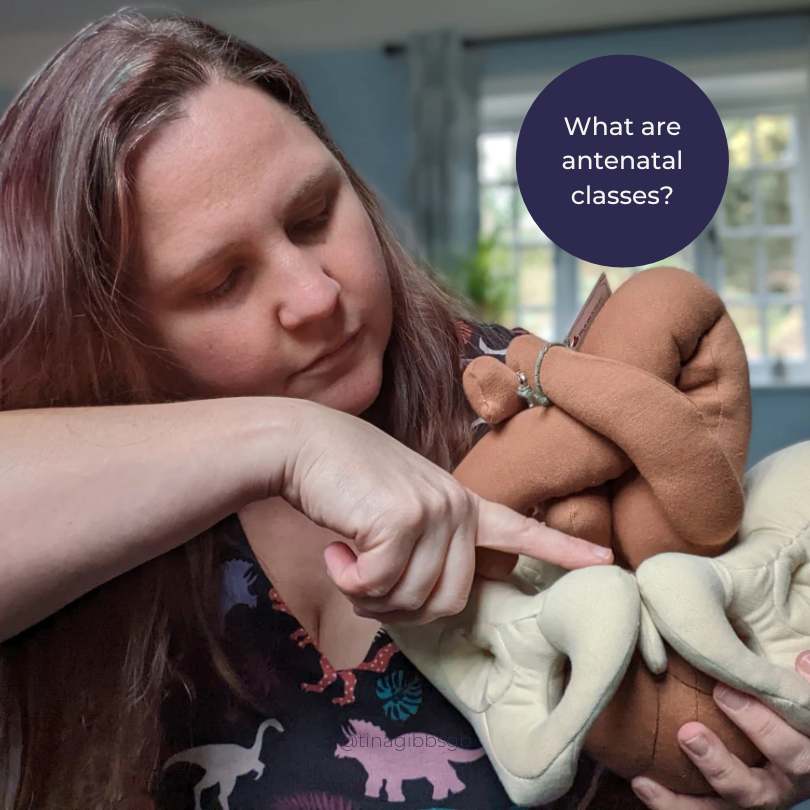
What are antenatal classes?

antenatal classes nottinghamshire

Antenatal classes are educational sessions designed to prepare expectant parents for childbirth and early parenthood. These classes provide valuable information and practical skills to help parents navigate this transformative journey with confidence. While the format and content of antenatal classes may vary, they typically cover topics such as pregnancy health, labour and birth, pain management techniques, self-help techniques, breastfeeding, infant feeding, newborn care, newborn sleep, postnatal/postpartum recovery, postnatal/postpartum depression and postpartum support.

Who goes to an antenatal class?

It is recommended for both parents to attend antenatal classes whenever possible. This allows both partners to gain a comprehensive understanding of the childbirth process and actively participate in decision-making. Attending these classes together can also strengthen the bond between parents, as they learn and share experiences, concerns, and expectations together.

However, while antenatal classes are usually attended by couples or expectant mothers and their birth partners, they can certainly benefit lone parents as well.

Are antenatal classes suitable for lone parents or single parents?

Being a lone parent during pregnancy and childbirth can bring unique challenges and concerns. Antenatal classes can provide a nurturing and supportive environment for lone parents, offering them a chance to connect with other expectant parents and gain essential knowledge and resources. These classes can help lone parents build confidence, develop practical skills, and establish a support network.

Lone parents can learn valuable techniques to manage the physical and emotional demands of childbirth, as well as techniques to promote bonding and create a positive environment for their soon-to-arrive little one.

Furthermore, antenatal classes often cover newborn care, including topics like breastfeeding, nappy changing, bathing, and soothing techniques. For lone parents who may not have immediate family or partners to rely on for support, these classes can be particularly beneficial in equipping them with the knowledge and skills needed to care for their newborn.

It’s worth noting that these educational classes not only provide practical information but also serve as a platform for expectant parents to share their experiences, concerns, and questions. For lone parents, these classes can be a safe space to connect with others who may be facing similar circumstances, fostering a sense of community and reducing feelings of isolation.

In conclusion, antenatal classes can be incredibly valuable for lone parents, offering them education, support, and a network of peers who can empathize with their unique journey into parenthood. Participating in these classes can empower lone parents, helping them feel more prepared and confident as they embark on this exciting new chapter in their lives.

Who provides antenatal classes?

One popular provider is the National Childbirth Trust (NCT). Some NHS trusts and children’s centers also offer classes and your local doulas will be able to help you prepare for the birth of your baby!

Who is Tina Gibbs?

I am an NCT-trained antenatal teacher and now offer antenatal classes in a group or 1:1 setting, in my home, yours or online. My antenatal courses that aim to inform, empower, and connect parents with each other and their baby/babies. I am an experienced antenatal teacher and have supported 1000s of expectant and new parents. While there is a cost associated with my antenatal classes, many parents find the investment worthwhile as they receive evidence-based information, access to a supportive network, and the opportunity to build friendships with other soon-to-be parents.

Book classes or workshops with Tina Gibbs here or contact me to arrange your private group or 1:1 classes.

Are antenatal classes worth it?

Attending antenatal classes, whether through the NCT or other providers, can provide numerous benefits for expectant parents. These classes not only offer valuable knowledge and practical skills but also help alleviate anxiety, increase confidence, and provide a supportive community during this special time. It’s worth considering if you’re seeking comprehensive preparation for the journey ahead.

Please also check out my online course! No videos, just text and images to learn in your own time. Includes hypnobirthing mp3s, scripts, workbook, handouts, infographics and much more! Lots and lots of information at your fingertips! Includes:

  • hypnobirthing mp3s
  • hypnobirthing scripts
  • written information
  • infographics and other imagery
  • printable handouts
  • printable workbook/journal

Posted on Leave a comment

Can I have a waterbirth in Nottingham?

can I have a waterbirth in Nottingham

Can I have a waterbirth in Nottingham Queens Medical Centre (QMC) and City Hospital?

When considering a waterbirth, you may be wondering if it’s possible to have one in Nottingham at either the Queens Medical Centre (QMC) or City Hospital. Nottingham offers excellent healthcare facilities, and both hospitals have maternity units that provide a range of birthing options, including waterbirths.

The QMC is a renowned teaching hospital and one of the largest in the UK. It has a dedicated maternity unit that offers a compassionate and supportive environment for expectant parents. While they prioritize safety and the well-being of both mother and baby, they also strive to accommodate individual preferences for birthing experiences, including waterbirths.

Similarly, City Hospital, located in the heart of Nottingham, also has a maternity unit that recognizes the benefits of waterbirths. Waterbirths can offer relaxation, pain relief, and a gentle transition for the baby from the womb to the outside world.

It’s important to note that while both hospitals offer waterbirths, availability may vary depending on factors such as the stage of your pregnancy, your medical history, and any complications that may arise. To explore the possibility of having a waterbirth at either hospital, it is recommended that you discuss your preferences with your midwife or healthcare provider during your antenatal appointments. They will be able to provide detailed information and guidance based on your specific circumstances.

You can find out more about current options and recommendations at the NUH Maternity website.

In addition to the Nottingham University Hospitals (NUH) there are a couple of additional birth places nearby. St. Mary’s Maternity Hospital in Melton Mowbray and Kingsmill Hospital (Sherwood Forest Hospitals).

When planning for the birth of your baby and your birth experience, it is important to check out all your options. If you’d like to have some help with planning your birth or would like to learn more about birth and your options, get in touch for a 1:1 antenatal class with me!

Online Birth Preparation Course only £35!

Please also check out my online course! No videos, just text and images to learn in your own time. Includes hypnobirthing mp3s, scripts, workbook, handouts, infographics and much more! Lots and lots of information at your fingertips! Includes:

  • hypnobirthing mp3s
  • hypnobirthing scripts
  • written information
  • infographics and other imagery
  • printable handouts
  • printable workbook/journal
Posted on Leave a comment

Driving when pregnant

Driving when pregnant can be a topic of concern and consideration for many expectant parents. It is important to prioritize safety and comfort while driving during this special time.

Top 5 tips for driving when pregnant

  1. Adjusting the seat: To ensure a comfortable driving experience when pregnant, it is crucial to adjust your seat properly. Position the seat in a way that allows you to reach the pedals comfortably while maintaining a safe distance from the steering wheel. Avoid sitting too close to the steering wheel, as it can increase the risk of injury in case of an accident. To ease back pain and discomfort you may wish to use a lumbar support pillow when travelling.
  2. Seat belt safety: Always wear your seat belt properly and ensure it is positioned correctly. The lap belt should be placed under your belly, across your hips, and the shoulder belt should go between your breasts and to the side of your belly. This way, the seat belt will provide optimal protection without putting pressure on your abdomen.
  3. Take breaks and stay hydrated: Long drives can become uncomfortable during pregnancy, so it’s important to take regular breaks, stretch your legs, and stay hydrated. Dehydration can lead to fatigue and discomfort, so make sure to have water with you during your journey. Additionally, stopping to rest and walk around will help reduce the risk of blood clots in your legs.
  4. Plan for frequent bathroom breaks: As pregnancy progresses, the growing uterus can exert pressure on the bladder, leading to increased frequency of bathroom visits. Plan your travel routes accordingly, making sure there are restrooms available along the way to accommodate your needs.
  5. Listen to your body: Each pregnancy journey is unique, so it is important to listen to your body and make adjustments as necessary. If you start feeling discomfort or fatigue while driving, don’t hesitate to pull over, rest, or ask someone else to take the wheel if possible.

Remember, if you have any concerns about driving during your pregnancy, consulting with your healthcare provider is always a good idea. They can provide personalized advice based on your specific situation and medical history. Stay safe and enjoy the journey while taking care of yourself and your little one!

If you are planning to go abroad check out my blogs post on flying when pregnant and travelling when pregnant! Here is a packing list for your travels: Packing list for travelling when pregnant.

Online Birth Preparation Course only £35!

Please also check out my online course! No videos, just text and images to learn in your own time. Includes hypnobirthing mp3s, scripts, workbook, handouts, infographics and much more! Lots and lots of information at your fingertips! Includes:

  • hypnobirthing mp3s
  • hypnobirthing scripts
  • written information
  • infographics and other imagery
  • printable handouts
  • printable workbook/journal

Sources and Further Reading:

Posted on Leave a comment

Top 10 Pregnancy Cravings

What are the top 10 pregnancy cravings and where do they come from?

Pregnancy cravings are a common phenomenon during pregnancy. These unusual and sometimes intense cravings can vary greatly from person to person, but here are the top ten of the cravings and their possible explanations:

1. Pickles: Pregnant women/people often crave the sour and tangy taste of pickles. This may be due to hormonal changes and the increased blood volume. Did you know that your body now carries approximately 1200 to 1600 ml extra blood? Check out my weight gain in pregnancy colouring page/handout.

2. Ice cream: The creamy and sweet taste of ice cream is a classic craving among pregnant women. It may be a result of hormonal shifts or a desire for comfort food.

3. Chocolate: Many crave chocolate during pregnancy, which could be due to the mood-enhancing properties of cocoa as well as the body’s need for extra calories.

4. Spicy food: Cravings for spicy foods such as hot sauces or chili peppers be due to increased blood flow and heightened taste buds during pregnancy.

5. Citrus fruits: The refreshing taste of citrus fruits like oranges and lemons are common crabings, possibly due to the high vitamin C content and a desire to quench thirst.

6. Pizza: The combination of gooey cheese, tangy tomato sauce, and a variety of toppings make pizza a popular craving during pregnancy, possibly due to the body’s need for carbohydrates and fats.

7. Sour candy: Cravings for sour candies like gummies or citrus-flavored sweets may be due to changes in taste preferences during pregnancy.

8. Peanut butter: The creamy and rich texture of peanut butter, along with its high protein content, is another very common craving. This may be because of the increase in need for protein to grow your baby.

9. Red meat: Some develop cravings for red meat, such as steak or burgers, which could be a sign of iron deficiency or an increased need for protein. Low iron levels are common during pregnancy. Research shows that your body absorbs a liquid iron supplement better and that it has fewer side-effects. If you can afford to purchase your own, you may wish to do so.

10. Potato chips: The crunchy and salty taste of potato chips is a common craving, possibly due to hormonal changes and the body’s need for sodium.

What are your cravings? Are they in this list? Share them with us here in the comments section!

It is important to note that pregnancy cravings can vary greatly and you should focus on a healthy and nutritious diet while following some or all of your cravings. Always consult with a healthcare professional for personalized advice and recommendations during your pregnancy.

Foods to avoid during pregnancy include certain types of fish, such as shark, swordfish, king mackerel, and tilefish, as they may contain high levels of mercury. Due to it’s high Vitamin A content, you should avoid liver and liver products such as pâté. Furthermore, avoid other pâté, including the vegetarian kind, as it can contain listeria. Some vegetarian pâté contains raw eggs, which might carry a risk of salmonella. Stay away from raw or undercooked seafood, eggs, and meats due to the risk of foodborne illnesses. Additionally, unpasteurized dairy products, soft cheeses, deli meats, and processed foods should be consumed in moderation or avoided altogether. It is important to consult with a healthcare provider for a comprehensive list of foods to avoid during pregnancy.

Online Birth Preparation Course only £35!

Please also check out my online course! No videos, just text and images to learn in your own time. Includes hypnobirthing mp3s, scripts, workbook, handouts, infographics and much more! Lots and lots of information at your fingertips! Includes:

  • hypnobirthing mp3s
  • hypnobirthing scripts
  • written information
  • infographics and other imagery
  • printable handouts
  • printable workbook/journal

Sources and further reading

  • Bastos Maia S, Rolland Souza AS, Costa Caminha MF, Lins da Silva S, Callou Cruz RSBL, Carvalho Dos Santos C, Batista Filho M. Vitamin A and Pregnancy: A Narrative Review. Nutrients. 2019 Mar 22;11(3):681. doi: 10.3390/nu11030681. PMID: 30909386; PMCID: PMC6470929. https://www.ncbi.nlm.nih.gov/pmc/articles/PMC6470929/
  • Casparis D, Del Carlo P, Branconi F, Grossi A, Merante D, Gafforio L. Efficacia e tollerabilità del gluconato ferroso orale liquido nell’anemia da carenza da ferro in gravidanza e nell’immediato post-partum: confronto con altre formulazioni liquide o solide contenenti ferro bivalente o trivalente [Effectiveness and tolerability of oral liquid ferrous gluconate in iron-deficiency anemia in pregnancy and in the immediate post-partum period: comparison with other liquid or solid formulations containing bivalent or trivalent iron]. Minerva Ginecol. 1996 Nov;48(11):511-8. Italian. PMID: 9005381. https://pubmed.ncbi.nlm.nih.gov/9005381/
  • Orloff NC, Hormes JM. Pickles and ice cream! Food cravings in pregnancy: hypotheses, preliminary evidence, and directions for future research. Front Psychol. 2014 Sep 23;5:1076. doi: 10.3389/fpsyg.2014.01076. PMID: 25295023; PMCID: PMC4172095. https://www.ncbi.nlm.nih.gov/pmc/articles/PMC4172095/
  • Soma-Pillay P, Nelson-Piercy C, Tolppanen H, Mebazaa A. Physiological changes in pregnancy. Cardiovasc J Afr. 2016 Mar-Apr;27(2):89-94. doi: 10.5830/CVJA-2016-021. PMID: 27213856; PMCID: PMC4928162. https://www.ncbi.nlm.nih.gov/pmc/articles/PMC4928162