Posted on 1 Comment

Teaching Techniques for Perinatal Educators

Teaching Techniques for Perinatal Educators are essential in providing comprehensive and effective guidance to expectant parents. These techniques help birth keepers in their mission to educate and empower expectant parents with the knowledge and skills necessary to navigate the childbirth process and their maternity system confidently.

Here are some Teaching Techniques for Perinatal Educators

Lecture – The simplest teaching method is to stand in front of the class and share all the necessary information. This method offers several advantages. First and foremost, it allows for the efficient delivery of a large amount of information in a relatively short time span. Furthermore, lectures provide an opportunity for students to gain knowledge without having to conduct extensive research on their own. Additionally, lectures facilitate the dissemination of complex ideas and concepts in a structured manner. However, despite its benefits, the lecture method has its drawbacks. One significant disadvantage is that students typically retain only about 20% of the information presented during a lecture. This limited retention can be attributed to various factors such as the passive nature of the learning experience and the inability to actively engage with the material.

Use visual aids – Posters, banners, illustrations, and videos can effectively enhance understanding and retention of information. By incorporating visual aids, childbirth educators can create a more engaging and interactive learning environment, making complex concepts easier to grasp.

Create an engaging and active learning experience – Another valuable technique is active learning. Encouraging expectant parents to actively participate in discussions, group activities, and role-plays can greatly enhance their learning experience. This approach allows parents to practice the skills they will need during childbirth and fosters a sense of empowerment and confidence.

Storytelling – Learning through the use of storytelling can also be a powerful teaching technique. Sharing real-life birth stories and experiences can provide expectant parents with practical insights and emotional support. Storytelling helps build empathy and creates a connection between the childbirth educator and the parents, fostering a sense of trust and openness.

Brainstorming – is a valuable activity that encourages expecting parents to come together and share their thoughts and ideas regarding various aspects of pregnancy, childbirth, and parenting. This provides a platform for open discussions and allow participants to exchange their experiences, concerns, and knowledge surrounding this transformative period in their lives. Through the process of brainstorming, attendees can explore different strategies, techniques, and coping mechanisms to navigate the challenges and joys of pregnancy and early parenthood. Moreover, this collaborative approach fosters a sense of community and support, enabling individuals to feel more prepared and empowered as they embark on their journey to becoming parents.

Q&A – Allow some time for questions and answers. When people come up with questions, it helps them to think more. They will understand the information they hear in response to questions better than the information given in a lecture.

Incorporate technology into your teaching – Utilizing online resources, interactive apps, and virtual platforms can provide additional opportunities for learning and accessibility. Technology allows childbirth educators to reach a wider audience and provide resources and support beyond the classroom. Ultimately, by combining these teaching techniques, perinatal educators can create a dynamic and inclusive learning environment that promotes knowledge acquisition, skill development, and emotional support for expectant parents.

Card Sort – is a practical activity where you prepare cards with various prompts such as signs of the onset of labour, myths and truths about newborns, or a hormone picture and statement hunt. During a card sort activity, participants categorize these prompts into different groups based on their similarities. This method allows for a visual and interactive way to understand and organize information related to childbirth and parenting. By engaging in this activity, individuals can gain a deeper understanding of these topics and explore the connections between different concepts, options and ideas.

Demonstrations – To effectively convey breathing techniques, positions, and movement for birth (and other related topics), it is important to utilize demonstrations. By visually demonstrating these techniques, you can provide a clear understanding and promote effective learning for both visual and kinesthetic learners. Encourage expectant parents to actively participate in trying these techniques during the sessions. This will will not only enhance their understanding but also help them retain the information better.

Goodie Bag – Another great teaching technique for perinatal educators! You pass around a bag or container of props (e.g. things which may be helpful/useful during the early postpartum period). They pick an object out of the container, say what it is, and why they think it could be helpful.

Quizzes – A quiz is a type of activity that can be done in a small group, as homework, or as a worksheet given in class. It is useful for reviewing information that has already been taught, especially information that is easy to understand, such as “Name three things that help you relax”. It is also helpful for providing information that is good to know, but not necessary to remember the answers to, like the advantages of having a doula.

Small group discussions – When it comes to facilitating better communication in a classroom setting, one effective strategy is to divide the class into smaller groups. By doing so, we create an environment where individuals can engage in more intimate conversations and exchange ideas freely. Sometimes it may be beneficial to keep couples together and other times there are instances where it’s more beneficial to separate couples. Overall, implementing small group discussions fosters active participation and enhances the overall learning experience.

Games – There are many different styles of games you can utilise in your antenatal education setting. I have a labour board game and a labour revision game which I use regularly on my antenatal classes. Games are fun, interactive, people solve problems and retain the memory however they can take up a lot of time for how much information gets covered.

HomeworkWorksheets to take home, lists of skills to practice, book recommendations and other further reading are a great way to encourage expectant parents to think about their journey between classes/sessions. However, many of your clients will not actually do their homework

Sources and further reading

  • Brookfield, S.D., 2013. Powerful techniques for teaching adults. John Wiley & Sons.
  • Future Learn: https://www.futurelearn.com/info/blog/how-to-teach-adult-learners
  • Kerka, S., 2002. Teaching adults: Is it different?. ERIC Clearinghouse on Adult, Career, and Vocational Education, Center on Education and Training for Employment, College of Education, the Ohio State University.
  • Nesbit, T., Leach, L. and Foley, G., 2020. Teaching adults. In Dimensions of adult learning (pp. 74-95). Routledge.
  • Rogers, A. and Horrocks, N., 2010. Teaching adults. McGraw-Hill Education (UK).
Posted on Leave a comment

Driving when pregnant

Driving when pregnant can be a topic of concern and consideration for many expectant parents. It is important to prioritize safety and comfort while driving during this special time.

Top 5 tips for driving when pregnant

  1. Adjusting the seat: To ensure a comfortable driving experience when pregnant, it is crucial to adjust your seat properly. Position the seat in a way that allows you to reach the pedals comfortably while maintaining a safe distance from the steering wheel. Avoid sitting too close to the steering wheel, as it can increase the risk of injury in case of an accident. To ease back pain and discomfort you may wish to use a lumbar support pillow when travelling.
  2. Seat belt safety: Always wear your seat belt properly and ensure it is positioned correctly. The lap belt should be placed under your belly, across your hips, and the shoulder belt should go between your breasts and to the side of your belly. This way, the seat belt will provide optimal protection without putting pressure on your abdomen.
  3. Take breaks and stay hydrated: Long drives can become uncomfortable during pregnancy, so it’s important to take regular breaks, stretch your legs, and stay hydrated. Dehydration can lead to fatigue and discomfort, so make sure to have water with you during your journey. Additionally, stopping to rest and walk around will help reduce the risk of blood clots in your legs.
  4. Plan for frequent bathroom breaks: As pregnancy progresses, the growing uterus can exert pressure on the bladder, leading to increased frequency of bathroom visits. Plan your travel routes accordingly, making sure there are restrooms available along the way to accommodate your needs.
  5. Listen to your body: Each pregnancy journey is unique, so it is important to listen to your body and make adjustments as necessary. If you start feeling discomfort or fatigue while driving, don’t hesitate to pull over, rest, or ask someone else to take the wheel if possible.

Remember, if you have any concerns about driving during your pregnancy, consulting with your healthcare provider is always a good idea. They can provide personalized advice based on your specific situation and medical history. Stay safe and enjoy the journey while taking care of yourself and your little one!

If you are planning to go abroad check out my blogs post on flying when pregnant and travelling when pregnant! Here is a packing list for your travels: Packing list for travelling when pregnant.

Online Birth Preparation Course only £35!

Please also check out my online course! No videos, just text and images to learn in your own time. Includes hypnobirthing mp3s, scripts, workbook, handouts, infographics and much more! Lots and lots of information at your fingertips! Includes:

  • hypnobirthing mp3s
  • hypnobirthing scripts
  • written information
  • infographics and other imagery
  • printable handouts
  • printable workbook/journal

Sources and Further Reading:

Posted on 1 Comment

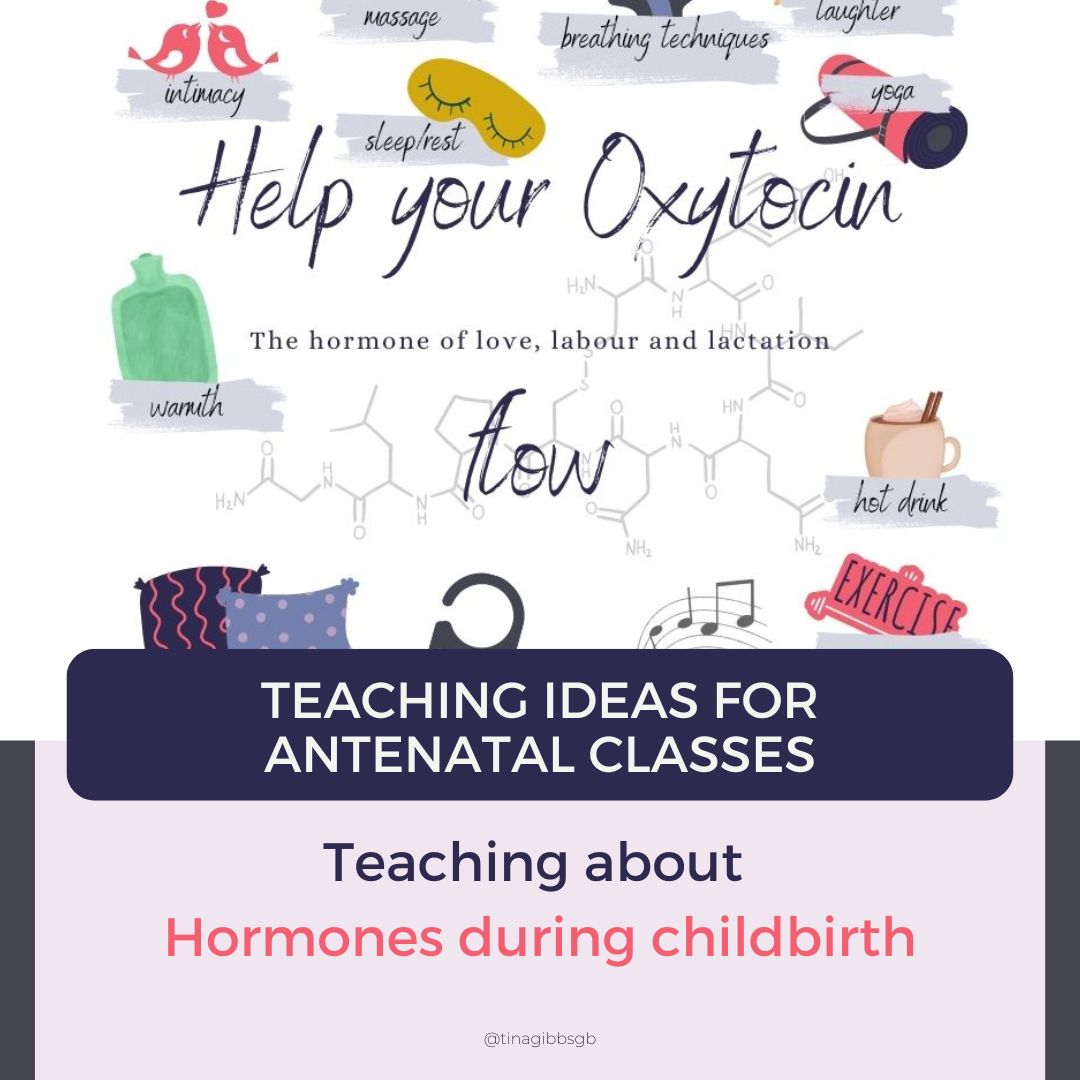
Teaching about hormones during childbirth

Teaching about hormones during childbirth is a crucial aspect of antenatal education. Why is it important for expectant parents to learn about hormones and their role during childbirth?

Learning about hormones and their role in childbirth empowers expectant parents to make the right choices for themselves and their birth experience! With knowledge about the physiological changes that occur during childbirth, expectant parents often find it easier to make their choices and prepare their birth plans.

Understanding the role of hormones can help expectant parents to demystify the birthing process and foster a sense of confidence and control. Hormones play a significant role in childbirth.

For instance, oxytocin, often referred to as the “love hormone,” helps initiate and regulate contractions waves. It promotes bonding between the mother and baby and enhances the overall birthing experience.

Another hormone, endorphins, acts as a natural painkiller during labour and birth. These feel-good hormones not only help manage discomfort but also promote a sense of euphoria and well-being for the birthing parent.

Furthermore, adrenaline, commonly associated with the body’s stress response, also plays a part in childbirth. It can enhance energy levels and facilitate the progress of labor. Understanding how adrenaline functions during childbirth enables parents to appreciate its purpose and reduces any unnecessary fear or anxiety.

Exploring the intricate dance and balance of the birthing hormones during childbirth provides a comprehensive understanding of the body’s amazing abilities. It allows expectant parents to approach the birthing process with knowledge, mindfulness, and an appreciation for the wonders of nature.

Remember, teaching about hormones during childbirth is not just about imparting knowledge but also about instilling confidence and promoting a positive mindset. With this knowledge, parents can approach labour and birth feeling empowered while they trust, and belief in the remarkable strength of the human body.

Ideas for teaching about hormones during childbirth

While teaching about the childbirth hormones, it is important to provide comprehensive and engaging information to enhance expectant parents’ understanding. Here are some suggestions on how to create engaging activities and a memorable learning experience!t

1. Introduction: Begin by explaining the significance of hormones during childbirth and their role in the physiological process. Elaborate on the different types of hormones like oxytocin, prostaglandins, and endorphins.

2. Stages of labour: Discuss each stage in detail, highlighting the specific hormonal changes that occur. Emphasize how these changes facilitate the progress of labor and support the well-being of both mother and baby. I love using my childbirth timelines (banners and beadlines) to explore how childbirth unfolds.

3. Oxytocin: Elaborate on the “love hormone” oxytocin and its pivotal role in initiating and strengthening contractions. Explain how it promotes the bonding between parents and their baby and helps with breastfeeding. My “Help your oxytocin flow” poster and the “Encourage labour to start” poster are two great visual aids for your antenatal classes and doula bags!

4. Prostaglandins: Describe the function of prostaglandins in softening and thinning the cervix, preparing it for labour. Discuss the importance of prostaglandins in the readiness of the body for childbirth. You may also wish to add in some information and strategies for induction of labour at that point!

5. Endorphins: Highlight the role of endorphins as natural painkillers during labor. Explain how these hormones are released in response to the intensity of contractions, providing pain relief and promoting a sense of euphoria.

6. Stress hormones: Address the presence of stress hormones like adrenaline and cortisol during childbirth. Discuss how these hormones can inhibit the progress of childbirth and explore strategies to reduce stress and promote a more positive birth experience. My new flashcards provide an excellent way of learning about different coping strategies!

7. Interactive activities: Suggest interactive activities to engage learners, such as role-playing scenarios, watching educational videos, or card sorts related to hormonal changes during childbirth. I have a range of printable and ready printed activities, posters and handout available here.

8. Visual aids: Enhance the learning experience by incorporating visual aids such as posters and banners, beadlines , or models to complement the learning experience. These aids can help learners better visualize and understand the hormonal changes and the birthing process as a whole. Remember, you can expand each section further by providing specific examples, case studies, or personal anecdotes to make the content more relatable and interesting for your learners.

Posted on Leave a comment

Top 10 Pregnancy Cravings

What are the top 10 pregnancy cravings and where do they come from?

Pregnancy cravings are a common phenomenon during pregnancy. These unusual and sometimes intense cravings can vary greatly from person to person, but here are the top ten of the cravings and their possible explanations:

1. Pickles: Pregnant women/people often crave the sour and tangy taste of pickles. This may be due to hormonal changes and the increased blood volume. Did you know that your body now carries approximately 1200 to 1600 ml extra blood? Check out my weight gain in pregnancy colouring page/handout.

2. Ice cream: The creamy and sweet taste of ice cream is a classic craving among pregnant women. It may be a result of hormonal shifts or a desire for comfort food.

3. Chocolate: Many crave chocolate during pregnancy, which could be due to the mood-enhancing properties of cocoa as well as the body’s need for extra calories.

4. Spicy food: Cravings for spicy foods such as hot sauces or chili peppers be due to increased blood flow and heightened taste buds during pregnancy.

5. Citrus fruits: The refreshing taste of citrus fruits like oranges and lemons are common crabings, possibly due to the high vitamin C content and a desire to quench thirst.

6. Pizza: The combination of gooey cheese, tangy tomato sauce, and a variety of toppings make pizza a popular craving during pregnancy, possibly due to the body’s need for carbohydrates and fats.

7. Sour candy: Cravings for sour candies like gummies or citrus-flavored sweets may be due to changes in taste preferences during pregnancy.

8. Peanut butter: The creamy and rich texture of peanut butter, along with its high protein content, is another very common craving. This may be because of the increase in need for protein to grow your baby.

9. Red meat: Some develop cravings for red meat, such as steak or burgers, which could be a sign of iron deficiency or an increased need for protein. Low iron levels are common during pregnancy. Research shows that your body absorbs a liquid iron supplement better and that it has fewer side-effects. If you can afford to purchase your own, you may wish to do so.

10. Potato chips: The crunchy and salty taste of potato chips is a common craving, possibly due to hormonal changes and the body’s need for sodium.

What are your cravings? Are they in this list? Share them with us here in the comments section!

It is important to note that pregnancy cravings can vary greatly and you should focus on a healthy and nutritious diet while following some or all of your cravings. Always consult with a healthcare professional for personalized advice and recommendations during your pregnancy.

Foods to avoid during pregnancy include certain types of fish, such as shark, swordfish, king mackerel, and tilefish, as they may contain high levels of mercury. Due to it’s high Vitamin A content, you should avoid liver and liver products such as pâté. Furthermore, avoid other pâté, including the vegetarian kind, as it can contain listeria. Some vegetarian pâté contains raw eggs, which might carry a risk of salmonella. Stay away from raw or undercooked seafood, eggs, and meats due to the risk of foodborne illnesses. Additionally, unpasteurized dairy products, soft cheeses, deli meats, and processed foods should be consumed in moderation or avoided altogether. It is important to consult with a healthcare provider for a comprehensive list of foods to avoid during pregnancy.

Online Birth Preparation Course only £35!

Please also check out my online course! No videos, just text and images to learn in your own time. Includes hypnobirthing mp3s, scripts, workbook, handouts, infographics and much more! Lots and lots of information at your fingertips! Includes:

  • hypnobirthing mp3s
  • hypnobirthing scripts
  • written information
  • infographics and other imagery
  • printable handouts
  • printable workbook/journal

Sources and further reading

  • Bastos Maia S, Rolland Souza AS, Costa Caminha MF, Lins da Silva S, Callou Cruz RSBL, Carvalho Dos Santos C, Batista Filho M. Vitamin A and Pregnancy: A Narrative Review. Nutrients. 2019 Mar 22;11(3):681. doi: 10.3390/nu11030681. PMID: 30909386; PMCID: PMC6470929. https://www.ncbi.nlm.nih.gov/pmc/articles/PMC6470929/
  • Casparis D, Del Carlo P, Branconi F, Grossi A, Merante D, Gafforio L. Efficacia e tollerabilità del gluconato ferroso orale liquido nell’anemia da carenza da ferro in gravidanza e nell’immediato post-partum: confronto con altre formulazioni liquide o solide contenenti ferro bivalente o trivalente [Effectiveness and tolerability of oral liquid ferrous gluconate in iron-deficiency anemia in pregnancy and in the immediate post-partum period: comparison with other liquid or solid formulations containing bivalent or trivalent iron]. Minerva Ginecol. 1996 Nov;48(11):511-8. Italian. PMID: 9005381. https://pubmed.ncbi.nlm.nih.gov/9005381/
  • Orloff NC, Hormes JM. Pickles and ice cream! Food cravings in pregnancy: hypotheses, preliminary evidence, and directions for future research. Front Psychol. 2014 Sep 23;5:1076. doi: 10.3389/fpsyg.2014.01076. PMID: 25295023; PMCID: PMC4172095. https://www.ncbi.nlm.nih.gov/pmc/articles/PMC4172095/
  • Soma-Pillay P, Nelson-Piercy C, Tolppanen H, Mebazaa A. Physiological changes in pregnancy. Cardiovasc J Afr. 2016 Mar-Apr;27(2):89-94. doi: 10.5830/CVJA-2016-021. PMID: 27213856; PMCID: PMC4928162. https://www.ncbi.nlm.nih.gov/pmc/articles/PMC4928162
Posted on 1 Comment

Travelling when pregnant

Travelling when pregnant 6 top tips

6 top tips for travelling when pregnant to make your break or “babymoon” as relaxing, successful and enjoyable as possible!

  1. The right destination
    • When pregnant, it is important to choose a holiday destination that can be reached within a three-hour flight. Any flights of four hours or longer are considered long-haul and are not recommended during pregnancy.
    • If your nearest airport or your desired UK destination is a long drive away, you may wish to consider an overnight stay on the way to break up the journey.
    • Research your holiday destination before you go. You may feel more relaxed if there are shops and medical facilities nearby. Avoid destinations which require vaccinations and where there is a risk of catching diseases transferred by mosquitoes such as zika virus, malaria or dengue fever.
  2. Make a plan and use checklists
    • Make a list of all the things you would like to take with you. Remember to take your maternity notes (or a copy of them).
    • Take regular toilet breaks – choose a route where there are plenty of opportunities to use the loo…
    • Take a small cushion or pillow with you on the journey to support your back
    • If you are flying from 28 weeks onwards, your airline might need a signed letter from your doctor or midwife and most airlines won’t let you fly beyond 37 weeks of pregnancy (or 32 weeks for multiple pregnancies). Check out my blog on flying when pregnant!
    • Check out my packlist (free download)
  3. Take it easy
    • Choose a holiday where you can rest and relax
    • If you are going sightseeing or shopping, ensure you allow for plenty of breaks
  4. Essentials for the journey
    • pack plenty of snacks and water
    • Have regular breaks
    • When pregnant, you are at higher risk of deep vein thrombosis (DVT) when you are sitting still on long car journeys or flights. Ensure you move around as much as you can and do some simple stretches every hour. When driving take a break at least every 90 minutes and when flying wander up and down the aisle when you can. On longer journeys, you may also consider wearing flight socks (compression stockings).
    • When your back hurts, try placing a rolled-up towel or small pillow under the back of your bottom and in the small of your back.
  5. Think about what you’re packing
    • To make sure you are as comfortable as possible during your well-earned break, ensure you are packing:
  6. Stick to your safe food list
    • You may go out for meals or have a buffet deal… Freshly cooked food abroad, the local cuisine can be exiting. However, remember, that some foods may harm your baby. Stick to your safe food list!
    • Foods to avoid in pregnancy
    • Stay hydrated. Remember to drink plenty of (bottled) water when pregnant. The local tap water may upset your stomach, so you may wish to stick to bottled water.

Online Birth Preparation Course only £35!

Please also check out my online course! No videos, just text and images to learn in your own time. Includes hypnobirthing mp3s, scripts, workbook, handouts, infographics and much more! Lots and lots of information at your fingertips! Includes:

  • hypnobirthing mp3s
  • hypnobirthing scripts
  • written information
  • infographics and other imagery
  • printable handouts
  • printable workbook/journal

Posted on Leave a comment

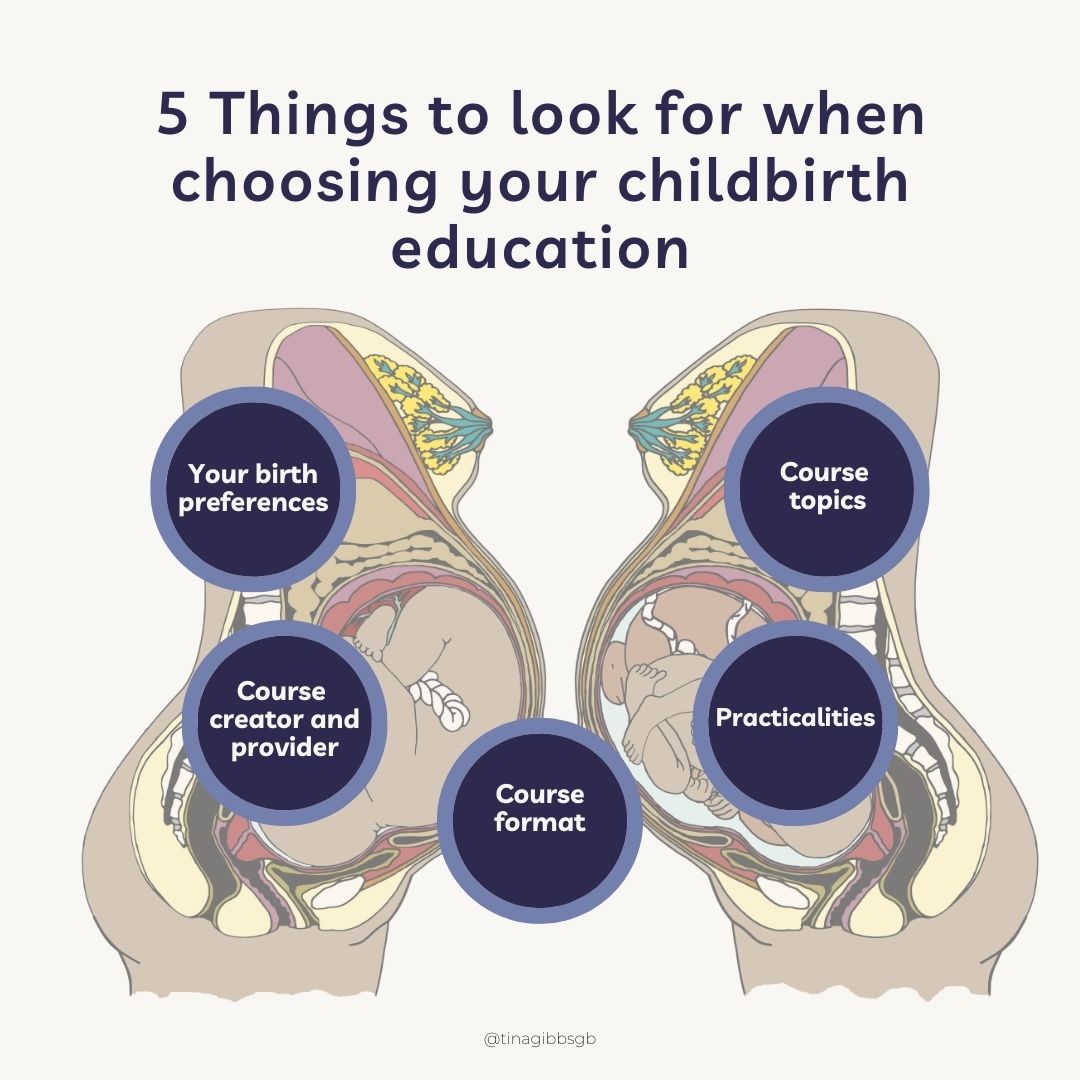
5 Things to look for when choosing your childbirth education

5 things to look for when choosing your childbirth education

You want to be prepared to for the birth of your baby or babies. Here are 5 Things to look for when choosing your childbirth education!

As the birth of your baby approaches, you may have a lot of questions. What does a contraction wave feel like? How will I know when to call the midwife? What kind of breathing techniques can I use? How do I know when it is time to push?

You may also experience a range of emotions such as excitement, nervousness, stress, and even anxiety. The good news are, you can ease your fears and gain confidence in birthing your child when you prepare for the birth of your child. Choosing the right type of childbirth course for you (and your partner) is crucial. Your childbirth preparation course should give you practical knowledge about the physiology of birth as well as where to find practical and emotional support.

5 Things to look for when choosing your childbirth education

1. Does the course agree with your idea on childbirth?

Whether you are you planning for a vaginal birth, caesarean birth, waterbirth, homebirth, etc… you want to ensure that your chosen childbirth education course supports your wishes and preferences. How you choose to give birth is up to you.

Knowing the general philosophy of the birth course you are considering is essential. The techniques that you’ll be learning should be something that you can see yourself doing and something that you believe in. The techniques should support you to achieve the birth you are aiming for.

2. Which topics are covered during the course?

If this is your first birth experience, your childbirth preparation course should cover everything your need to know about your options and what to expect. If you have given birth before, then you may wish to choose a refresher course for you. You may also wish to prepare the older sibling(s) for the birth of their little brother or sister. Learning the about childbirth may lessen your anxiety and help you make informed choices when birthing your baby. Choosing the wrong type of course for you may increase anxieties, so choose your childbirth course and their leader carefully.

3. Who created the course?

Who created the childbirth preparation course? Are they a medical professional or a teacher? Are they an expert in childbirth education? Check their certifications and experience! You want the person and organisation offering your childbirth preparation course to be established and reputable. Ask them to show you proof of their qualification(s).

4. What format is the course in?

Check the format of the course. You may prefer a course which focuses on the birth only, or one that includes practical baby care. If you are interested in hypnobirthing, does the course include hypnobirthing or maybe you prefer a stand-alone hypnobirthing course.

Are partners also coming to the classes or learn anything during the course or is the course for mothers/birthing folks only? Which format do you prefer?

5. Practical things to consider

  • Where and when is the course held? Are the dates, time and venue convenient for you?
  • What is your budget? What are your options at your budget?
  • For an in-person course
    • is there parking available or is it easily accessible via public transport?
    • Is the venue clean and spacious?
    • What are the chair/seating arrangements like? Do you want/need to bring a birthing ball, cushions etc.?
    • Are refreshments included?
    • Accessibility of the venue (where needed)
  • For an online course
    • are you confident in using the platform the course is being offered on?
    • is it a live course or has live elements or is it fully self-paced? – for live elements: are they recorded? If not can you make all the sessions?
    • Is your internet connection reliable?
    • Have you got a pc or laptop to access the course on? This will make your online course a more positive experience.
    • Have I got a comfortable (seating) setup where I can join the online childbirth preparation course?

What type/style of childbirth preparation course you choose is entirely up to you! Use your B.R.A.I.N. acronym when choosing the right course for you:

Brain acronym

What are the benefits, risks (or repercussion), alternatives (for each option)? Trust your gut, your intuition. And think about how you might feel if you do nothing, i.e. you don’t choose a childbirth preparation course?

If you are looking for a childbirth preparation course (1:1) in Nottinghamshire, check out my offers. I also have a fully self-paced online course for just £35. Including hypnobirthing, mp3s and much, much more!

Online Birth Preparation Course only £35!

Please also check out my online course! No videos, just text and images to learn in your own time. Includes hypnobirthing mp3s, scripts, workbook, handouts, infographics and much more! Lots and lots of information at your fingertips! Includes:

  • hypnobirthing mp3s
  • hypnobirthing scripts
  • written information
  • infographics and other imagery
  • printable handouts
  • printable workbook/journal

Posted on

Pricing yourself and your business

Pricing yourself and your business - birth worker, doula, antenatal teacher

Subscribe to continue reading

Subscribe to get access to the rest of this post and other subscriber-only content.