Posted on Leave a comment

Navigating Stress in Pregnancy: Understanding the Sympathetic Nervous System

navigate stress in pregnancy

Navigating stress in pregnancy: Understanding the Sympathetic Nervous System. How to spot the signs of stress and how to combat stress during our pregnancy.

Your pregnancy is a beautiful and transformative journey for many women, but it also comes with its fair share of challenges and stressors. Stress during pregnancy is not uncommon and can be triggered by various factors such as hormonal changes, physical discomfort, or concerns about the upcoming responsibilities of parenthood. During these times, the body’s intricate systems, including the Sympathetic Nervous System (SNS), play a crucial role in how a pregnant woman or person responds to and copes with stress.

We will explore the Sympathetic Nervous System and its impact on expectant mothers/pregnant people, shedding light on the importance of managing stress for the well-being of both the you and your developing baby.

Understanding the Sympathetic Nervous System

The nervous system is divided into two main branches: the Central Nervous System (CNS) and the Peripheral Nervous System (PNS). The PNS further branches into the Sympathetic Nervous System (SNS) and the Parasympathetic Nervous System (PNS), each responsible for distinct physiological responses.

The Sympathetic Nervous System is often referred to as the “fight or flight” system. When activated, it prepares the body to respond to perceived threats by releasing stress hormones such as cortisol and adrenaline. During pregnancy, the SNS can be triggered by various stressors, including emotional, physical, or environmental factors.

Impact of Stress on Pregnancy

While the body’s stress response is a natural and adaptive mechanism, chronic activation of the SNS during pregnancy can have significant implications for both you and your developing baby. Research suggests that prolonged stress may contribute to adverse outcomes, including preterm birth, low birth weight, and developmental issues.

  1. Preterm Birth: High levels of stress hormones circulating in your bloodstream can lead to uterine contractions, potentially triggering preterm labour. Babies born prematurely may face health challenges and require specialized care.
  2. Low Birth Weight: Chronic stress during pregnancy has been linked to lower birth weight in infants. Low birth weight can increase the risk of health complications for the baby and may impact their long-term development.
  3. Developmental Issues: The developing fetus is sensitive to the hormonal fluctuations caused by maternal stress. Studies have suggested a correlation between maternal stress and an increased risk of behavioral and cognitive issues in children.
Navigating Stress during Pregnancy

Recognizing the impact of stress on pregnancy underscores the importance of implementing effective stress management strategies. Here are some techniques for you to incorporate into your routine:

  1. Mindfulness and Relaxation Techniques: Practices such as meditation, deep breathing exercises, and guided imagery can help activate the Parasympathetic Nervous System, promoting relaxation and reducing stress.
  2. Regular Exercise: Physical activity has been shown to have positive effects on mood and stress reduction. Engaging in safe and appropriate exercises during pregnancy can contribute to overall well-being. Try pregnancy yoga, pilates or swimming.
  3. Support System: Building a strong support system is crucial during pregnancy. Whether it’s through friends, family, or support groups, having a network to share experiences and concerns can alleviate stress. Meet and make friends with other expectant parents during your antenatal classes.
  4. Healthy Lifestyle: Maintaining a balanced and nutritious diet, staying hydrated, and getting enough sleep contribute to overall well-being and can help mitigate stress.

Your pregnancy is a unique and transformative journey, and managing stress is an essential aspect of ensuring the health and well-being of both you and your developing baby. Understanding the role of the Sympathetic Nervous System and implementing effective stress management strategies can contribute to a more positive and fulfilling pregnancy experience. By prioritizing self-care and seeking support, you can navigate the challenges of pregnancy with resilience and grace.

Online Birth Preparation Course only £35!

Please also check out my online course! No videos, just text and images to learn in your own time. Includes hypnobirthing mp3s, scripts, workbook, handouts, infographics and much more! Lots and lots of information at your fingertips! Includes:

  • hypnobirthing mp3s
  • hypnobirthing scripts
  • written information
  • infographics and other imagery
  • printable handouts
  • printable workbook/journal
Posted on Leave a comment

Driving when pregnant

Driving when pregnant can be a topic of concern and consideration for many expectant parents. It is important to prioritize safety and comfort while driving during this special time.

Top 5 tips for driving when pregnant

  1. Adjusting the seat: To ensure a comfortable driving experience when pregnant, it is crucial to adjust your seat properly. Position the seat in a way that allows you to reach the pedals comfortably while maintaining a safe distance from the steering wheel. Avoid sitting too close to the steering wheel, as it can increase the risk of injury in case of an accident. To ease back pain and discomfort you may wish to use a lumbar support pillow when travelling.
  2. Seat belt safety: Always wear your seat belt properly and ensure it is positioned correctly. The lap belt should be placed under your belly, across your hips, and the shoulder belt should go between your breasts and to the side of your belly. This way, the seat belt will provide optimal protection without putting pressure on your abdomen.
  3. Take breaks and stay hydrated: Long drives can become uncomfortable during pregnancy, so it’s important to take regular breaks, stretch your legs, and stay hydrated. Dehydration can lead to fatigue and discomfort, so make sure to have water with you during your journey. Additionally, stopping to rest and walk around will help reduce the risk of blood clots in your legs.
  4. Plan for frequent bathroom breaks: As pregnancy progresses, the growing uterus can exert pressure on the bladder, leading to increased frequency of bathroom visits. Plan your travel routes accordingly, making sure there are restrooms available along the way to accommodate your needs.
  5. Listen to your body: Each pregnancy journey is unique, so it is important to listen to your body and make adjustments as necessary. If you start feeling discomfort or fatigue while driving, don’t hesitate to pull over, rest, or ask someone else to take the wheel if possible.

Remember, if you have any concerns about driving during your pregnancy, consulting with your healthcare provider is always a good idea. They can provide personalized advice based on your specific situation and medical history. Stay safe and enjoy the journey while taking care of yourself and your little one!

If you are planning to go abroad check out my blogs post on flying when pregnant and travelling when pregnant! Here is a packing list for your travels: Packing list for travelling when pregnant.

Online Birth Preparation Course only £35!

Please also check out my online course! No videos, just text and images to learn in your own time. Includes hypnobirthing mp3s, scripts, workbook, handouts, infographics and much more! Lots and lots of information at your fingertips! Includes:

  • hypnobirthing mp3s
  • hypnobirthing scripts
  • written information
  • infographics and other imagery
  • printable handouts
  • printable workbook/journal

Sources and Further Reading:

Posted on Leave a comment

Hypnobirthing FAQ

Hypnobirthing FAQ

Who is a hypnobirthing course for?

My hypnobirthing workshops are aimed at anyone who wants to give their baby a gentle and loving start in life. If you want a positive experience of birth that you can look back and treasure – for the rest of your life, then my workshops are for you. Suitable for all types of birth including induction and caesarean birth. Expectant parents are bombarded with images, videos and stories of childbirth as a negative event. During my hypnobirthing workshops we’ll explore your thoughts, fears and experiences and help you regain your faith in your body and choices. Empowering you to make the right choices for your positive birth experience; and look forward to your birth experience.

When should I go to a hypnobirthing course?

Hypnobirthing courses are suitable from 20 weeks of gestation. Ideally, you’d like to give yourself and your partner some time to practice the techniques you learn during the course. The more you practice, the better it’ll work for you. However, most expectant parents join a class around 32-35 weeks of pregnancy.

Does my birth partner have to attend the course?

I strongly encourage birth partners to attend the course. Your birth partner is an essential part of your day and they’ll benefit from learning about your options and challenges during birth. It’ll help them to be more confident in supporting you.

Do I have to have a birth partner?

That’s up to you. Some mothers decide to have their partner or/and a doula or friend present at the birth, others chose to be on their own. It can be beneficial for the birthing process to have a familiar face in the room to keep you grounded, calm and comfortable. If you do have a birth partner, please encourage them to come along to the workshop!

I have experienced a birth trauma/negative birth experience – is hypnobirthing for me?

I am a trauma-informed doula and hypnobirthing practitioner. Hypnobirthing is your chance to do things differently this time, and maximise your body’s ability to have a positive and satisfying birth experience. Depending on whether you have or not dealt with your experience, you may also benefit from my birth trauma services before you are giving birth or trying to conceive.

What if I had a previous caesarean birth?

My hypnobirthing workshops can help you towards a VBAC (vaginal birth after caesarean) by helping you to stay calm and confident throughout the birth. I have worked with many clients towards a positive VBAC experience. If you would like another caesarean birth this time, my hypnobirthing workshop can help you towards a gentle caesarean birth.

Does hypnobirthing replace medical pain relief options?

The short answer is no. The techniques you learn can be used instead of or alongside medical pain management options. However, using hypnobirthing techniques does increase your chances of using fewer pharmaceutical pain management options.

How does hypnobirthing work?

See my post “how does hypnobirthing work?”

What do midwives think about hypnobirthing?

That depends of course on the midwife… However, many midwives are also trained in hypnobirthing and teach hypnobirthing. If your midwife is not supportive, ask for a different one!

Do I have to have a homebirth?

No. Hypnobirthing is suitable for any birth environment.

Does hypnobirthing work for subsequent births?

Yes. Hypnobirthing works (if you practice!) for any birth.

How can my partner support me with hypnobirthing?

Coming along to the hypnobirthing workshop is a great start! Your partner may also wish to read up about hypnobirthing but that’s not essential. Have a look at my blog post “How does hypnobirthing work?” to find out about the science of hypnobirthing.

Posted on 5 Comments

What to pack in my hospital bag for childbirth?

Hospital Bag for Childbirth Homebirth Bag

Top tips on how when and what to pack in your hospital bag for childbirth.

You can pack your birth bag whenever you like but ideally would like to have it ready at least 3 weeks before your due date.

If you have a birth partner, get them involved in packing the hospital bag. That way they know where things are for the birth!

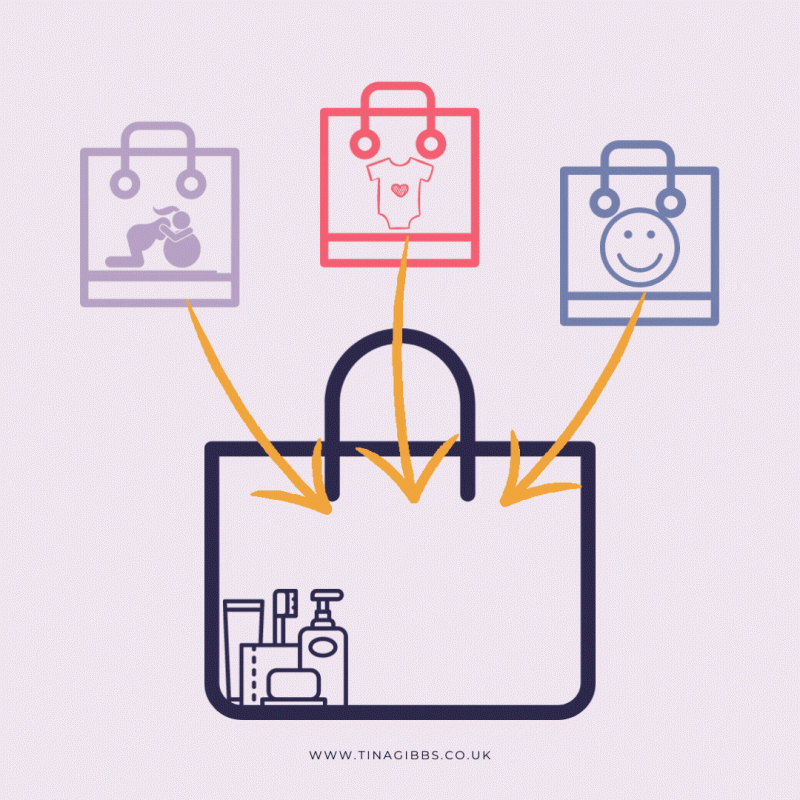
Use one large bag as your hospital bag which will contain your ‘overnight stuff’. Then pack three smaller bags to fit into you large hospital bag for childbirth!

Hospital Bag for Childbirth Hombirth Bag
Top Tip for your Hospital Bag: Pack Smaller bags into one larger bag or suitcase!

Bag for mum/birthing person

  • Your birth plan and maternity notes
  • Comfy, lose-fit dressing gown
  • Nighties  (ideally ones that opens at the front for breastfeeding access)
  • Comfy loose clothes – big baggy jogging bottoms, zip-up hoodie, tops that undo down the front for skin-to-skin/feeding
  • Slippers that you can slide your feet into rather than pulling on – if you have a Caesarean Birth bending over is tricky.
  • Socks – often women get cold feet during labour
  • Slip-on shoes
  • Flip-flops to wear in the shower
  • Hand Sanitiser
  • Wash bag including shower gel with a hook, so you don’t have to bend over in the shower, hand cream as constant hand gel use makes hands very sore,
  • lip balm as air is dry
  • Packs of waisted Bridget Jones massive cotton knickers in case you have a Caesarean Birth – dark colours are best and a couple of sizes up from your usual
  • Arnica and/or witch hazel for piles and bruising relief
  • Maternity pads packs
  • Nursing bras
  • Large pack Breast pads in case of boob leakage or washable ones
  • Pillow and/or pillowcase from home
  • Towel – hospital ones are scratchy
  • Eye mask (it’s never dark!)
  • Face mask (if you’d like your washable ones)
  • Earplugs (it’s never quiet!)
  • Hairbands
  • Headphones
  • Phone with labour playlist downloaded (you’re usually allowed to take your phone into theatre and can play music via Bluetooth)
  • Small tripod to prop up your phone/camera
  • Phone charger
  • Phone Power Bank
  • Snacks. If having a Caesarean Birth maybe apricots/prunes to ease constipation – you may not have a bowel movement for several days, and it can be a strain
  • Peppermint Tea Bags. In the case of a Caesarean Birth, it helps to get rid of wind caused by the operation.
  • Sports drink
  • Books/magazines/puzzles – in case you have to stay in hospital beforehand, or after.
  • Tissues for all the crying
  • Photo of your partner for times when they cannot be with you or maybe something that they have given you i.e. love notes
  • Photo of older children
  • Photo of you pet(s)

Bag for baby

  • Muslins 
  • Nappies – newborn size 1 fits most babies – newborns go through approx 12 nappies a day
  • Cotton wool pads/balls
  • Baby clothes – at least vests,  sleepsuits/babygrows,  jumpers/cardigans, hat  including a going home outfit
  • Baby blankets  (cotton or cellular or wool)

Bag for partner

  • Change of clothes
  • Snacks
  • Phone & Chargers or power bank
  • Change for vending machines (shops may not be open for as long) and car park
  • Phone list (if you’d like to tell people right away)
  • Car seat to take your baby home. Practice putting in/out car beforehand!
  • Maybe keep a book/magazine in the car in case you have to wait in the car until after mother’s initial assessment (This is a ‘new’ thing which started during the COVID-19 pandemic. Not all hospital trusts will still operate that way. Ask your midwife/trust to check).

I hope this list is useful for some of you and please if you have anything to add or adapt contact me and I’ll add it to the list!

Posted on

Pregnant again

pregnant again

Congratulations! Being pregnant again is especially challenging when the next older child is still very young. Having a toddler and being pregnant can be very hard work! You are of course tired because you’re pregnant but also, you cannot nap in the day as easily. The best thing for you and your family in this situation is to accept help. If you are lucky enough to have family or friends offering to look after  the older one(s), take it! If your older one(s) is/are in school or nursery, rest when you have some time to yourself.

When and how are you going to tell your older child or children?
Well, everyone is different. Some parents tell their children as soon as they know, others like to wait longer. There is no right or wrong. Sometimes it depends on the age of the older ones. If you have a toddler to explain the situation to, it might be a good idea to get a baby doll for them. They can then explore how to treat a baby and get used to the idea of having a baby around.
There are some things you can do to prepare yourself and your toddler or child for the new arrival:

  • If you are thinking of moving older siblings to new rooms, it may be easier for them if you do it before the new baby arrives. They may be less jealous if your new baby was not the most obvious reason. Maybe saying you are moving to a big-boy/girl-room now…
  • A new baby could give older siblings (especially if they are very young) a present to start off on a good note 🙂
  • Maybe you’d like the older sibling(s) to get involved in packing your birth bag?!
  • Think about who would be able to look after older siblings, while you are pregnant and need a rest, when you give birth and for the early days
  • Only because you feel like you don’t give your second child as much attention as you did your first one, that does not mean that you are less attached to one or the other.
  • It is okay to sometimes use the TV or other electronic devices to keep the older child or children occupied while you are resting and once your new baby is born 🙂
  • Eat healthily and get plenty of fresh air and sunlight that will help with the tiredness, while you have to limit your caffeine intake.
  • Look after yourself and remember to take folic acid from the time you start trying to conceive and until at least 12 weeks of pregnancy.
  • Practice your breathing and relaxation techniques for labour and birth daily.
  • Try to gently exercise / go for a walk regularly; this will keep your energy levels up!
  • Maybe you’d like to watch some birth videos with the older sibling(s). I suggest that you watch them by yourself first and then choose one or two to watch together. I have created a library of birth videos. There is even a section of other mammals giving birth!
  • You can also book a private 1:1 antenatal session with me for you to prepare yourself and your partner for the birth. In addition to that, I have my lovely Mamamor dolls, which I can use to demonstrate vaginal as well as caesarean birth to children or adults (see demo videos below).

If you are pregnant again and your previous birth was traumatic, it may be beneficial to speak to a doula or perinatal educator who is trauma informed. A non-jugemental approach to your new pregnancy and birth experience to help you to achieve a positive birth experience this time round. My wonderful colleague Sheryl (@simplynatal) calls it your Healing Birth.

You’ve got this!!