
Posted on Leave a comment

Umbilical Cord Ties or Clamps what do you prefer?

Umbilical Cord Ties or Clamps

In the process of giving birth, even the smallest things are important, like how the umbilical cord is managed after the baby is born. Lately, there has been more interest in using umbilical cord ties instead of the plastic clamps that doctors have been using for a long time.

Umbilical Cord Clamps

Umbilical cord clamps have been commonly used by healthcare professionals for a long time. They are usually made of plastic and are used to seal the umbilical cord after it has been cut. This clamp stays in place until the remaining cord stump dries and falls off naturally, which usually happens one to two weeks after the birth of your baby.

Benefits for Healthcare Professionals:

  1. Ease of Application: Clamps are straightforward to apply, making them convenient for healthcare professionals.
  2. Standardization: Clamps offer a standardized method of cord closure, ensuring consistency across different healthcare settings.
  3. Familiarity: Healthcare professionals are well-trained in the application of clamps, reducing the risk of errors during the process.

Benefits for Parents:

  1. Peace of Mind: Parents often find reassurance in the visible presence of the clamp, which serves as a tangible reminder of their newborn’s recent birth.
  2. Low Maintenance: Clamps require minimal maintenance and are designed to remain securely in place until the cord naturally separates. They cannot accidentally come undone.

Umbilical Cord Ties

Umbilical cord ties, typically made of soft material such as cotton, have gained popularity as an alternative to clamps in recent years. They offer a more flexible and gentle approach to cord closure.

Benefits for Healthcare Professionals:

  1. Flexibility: Cord ties provide healthcare professionals with greater flexibility in managing the umbilical cord, allowing for easier positioning and handling during childbirth.
  2. Reduced Waste: Unlike clamps, cord ties are often brought to the birth by the parents and can be carried in reusable containers.

Benefits for Parents:

  1. Comfort: Cord ties are softer and more pliable compared to clamps, reducing the likelihood of discomfort for newborns as they adjust to life outside the womb.
  2. Aesthetic Appeal: Many parents appreciate the aesthetic appeal of cord ties, which can come in a variety of colors and designs, adding a personalized touch to the birthing experience.
  3. More environmentally friendly: Most cord ties are made from cotton which is biodegradable.

Conclusion: Making Informed Choices in Childbirth

In the realm of childbirth, the decision between umbilical cord ties and clamps ultimately depends on individual preferences, healthcare protocols, and medical considerations. While both methods serve the fundamental purpose of securing and sealing the umbilical cord, each offers unique advantages for babies, parents, and healthcare professionals alike.

By making informed choices, you can actively participate in shaping your birth experience and ensuring the health and well-being of your baby from the very first moments of life.
Posted on Leave a comment

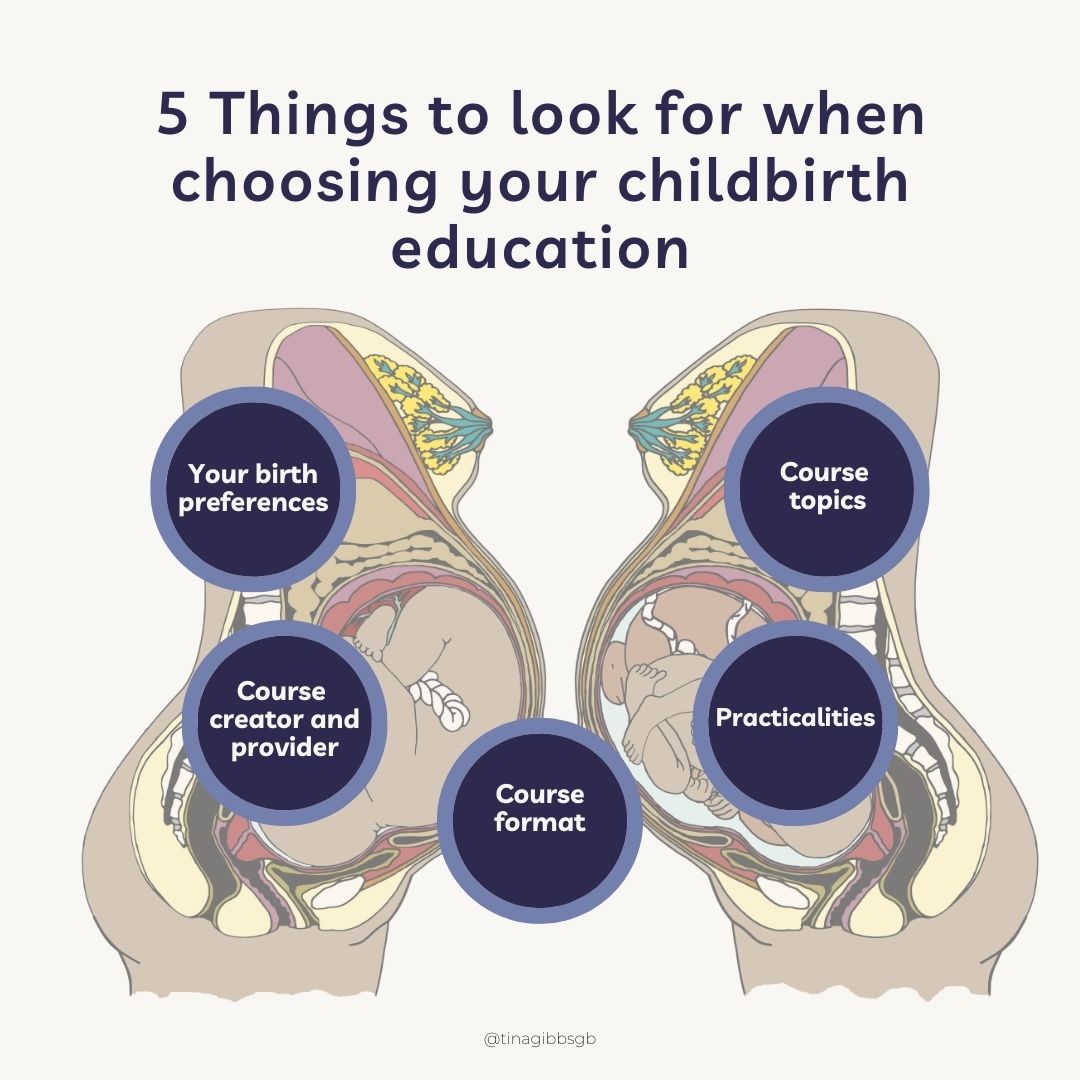
5 Things to look for when choosing your childbirth education

5 things to look for when choosing your childbirth education

You want to be prepared to for the birth of your baby or babies. Here are 5 Things to look for when choosing your childbirth education!

As the birth of your baby approaches, you may have a lot of questions. What does a contraction wave feel like? How will I know when to call the midwife? What kind of breathing techniques can I use? How do I know when it is time to push?

You may also experience a range of emotions such as excitement, nervousness, stress, and even anxiety. The good news are, you can ease your fears and gain confidence in birthing your child when you prepare for the birth of your child. Choosing the right type of childbirth course for you (and your partner) is crucial. Your childbirth preparation course should give you practical knowledge about the physiology of birth as well as where to find practical and emotional support.

5 Things to look for when choosing your childbirth education

1. Does the course agree with your idea on childbirth?

Whether you are you planning for a vaginal birth, caesarean birth, waterbirth, homebirth, etc… you want to ensure that your chosen childbirth education course supports your wishes and preferences. How you choose to give birth is up to you.

Knowing the general philosophy of the birth course you are considering is essential. The techniques that you’ll be learning should be something that you can see yourself doing and something that you believe in. The techniques should support you to achieve the birth you are aiming for.

2. Which topics are covered during the course?

If this is your first birth experience, your childbirth preparation course should cover everything your need to know about your options and what to expect. If you have given birth before, then you may wish to choose a refresher course for you. You may also wish to prepare the older sibling(s) for the birth of their little brother or sister. Learning the about childbirth may lessen your anxiety and help you make informed choices when birthing your baby. Choosing the wrong type of course for you may increase anxieties, so choose your childbirth course and their leader carefully.

3. Who created the course?

Who created the childbirth preparation course? Are they a medical professional or a teacher? Are they an expert in childbirth education? Check their certifications and experience! You want the person and organisation offering your childbirth preparation course to be established and reputable. Ask them to show you proof of their qualification(s).

4. What format is the course in?

Check the format of the course. You may prefer a course which focuses on the birth only, or one that includes practical baby care. If you are interested in hypnobirthing, does the course include hypnobirthing or maybe you prefer a stand-alone hypnobirthing course.

Are partners also coming to the classes or learn anything during the course or is the course for mothers/birthing folks only? Which format do you prefer?

5. Practical things to consider

  • Where and when is the course held? Are the dates, time and venue convenient for you?
  • What is your budget? What are your options at your budget?
  • For an in-person course
    • is there parking available or is it easily accessible via public transport?
    • Is the venue clean and spacious?
    • What are the chair/seating arrangements like? Do you want/need to bring a birthing ball, cushions etc.?
    • Are refreshments included?
    • Accessibility of the venue (where needed)
  • For an online course
    • are you confident in using the platform the course is being offered on?
    • is it a live course or has live elements or is it fully self-paced? – for live elements: are they recorded? If not can you make all the sessions?
    • Is your internet connection reliable?
    • Have you got a pc or laptop to access the course on? This will make your online course a more positive experience.
    • Have I got a comfortable (seating) setup where I can join the online childbirth preparation course?

What type/style of childbirth preparation course you choose is entirely up to you! Use your B.R.A.I.N. acronym when choosing the right course for you:

Brain acronym

What are the benefits, risks (or repercussion), alternatives (for each option)? Trust your gut, your intuition. And think about how you might feel if you do nothing, i.e. you don’t choose a childbirth preparation course?

If you are looking for a childbirth preparation course (1:1) in Nottinghamshire, check out my offers. I also have a fully self-paced online course for just £35. Including hypnobirthing, mp3s and much, much more!

Online Birth Preparation Course only £35!

Please also check out my online course! No videos, just text and images to learn in your own time. Includes hypnobirthing mp3s, scripts, workbook, handouts, infographics and much more! Lots and lots of information at your fingertips! Includes:

  • hypnobirthing mp3s
  • hypnobirthing scripts
  • written information
  • infographics and other imagery
  • printable handouts
  • printable workbook/journal

Posted on Leave a comment

Birthing the placenta: What you really need to know.

Birthing the placenta

What you really need to know about birthing your placenta:

  1. What happens during the third stage (birth of the placenta)?
  2. What are your options?
  3. What are the NICE guideline recommendations?
  4. What can I do with my placenta after birthing it?

What happens during the third stage?

Giving birth to your placenta involves your uterus/womb to continue to contract. Your placenta will begin to detach from the inside of your uterus/womb and be born through the birth canal. It is beneficial for the birthing process to choose an upright position to encourage your placenta to come out. Nipple stimulation, skin-to-skin contact with your baby or loved ones, some aromatherapy and a calm environment are also supportive of the birthing process. Your midwife will monitor your blood loss and keep you and your baby warm. You may feel the urge to push your placenta out once it has separated and moved down to your vagina.

What are your options?

During a vaginal birth, you’ll have two options. Either wait for your placenta to be born on it’s own account also known as “physiological third stage” or you can opt for the “managed third stage” where you’ll receive a drug to encourage the birth of the placenta to happen more quickly.

What are the NICE Guideline recommendations?

The NICE guidelines recommend a managed third stage.

What can I do with my placenta after birthing it?

You can leave your placenta with your midwife and they will safely dispose of it. Some parents choose to keep their placenta and turn it into a smoothie, art, encapsulate it etc. If this is of interest for you, research the topic and and check for local service providers. Your local doula(s) will usually be able to recommend someone.

Online Birth Preparation Course only £35!

Please also check out my online course! No videos, just text and images to learn in your own time. Includes hypnobirthing mp3s, scripts, workbook, handouts, infographics and much more! Lots and lots of information at your fingertips! Includes:

  • hypnobirthing mp3s
  • hypnobirthing scripts
  • written information
  • infographics and other imagery
  • printable handouts
  • printable workbook/journal