Posted on Leave a comment

Navigating your childbirth journey: Using the Circle of Control to Write Your Birth Plan

Welcoming a new life into the world is a monumental and empowering experience, and creating a birth plan or writing down your birth preferences can be a valuable tool in ensuring that your birthing experience aligns with your preferences and desires. As expectant parents, it’s natural to feel a mix of excitement and anxiety about the impending arrival of your little one. One powerful concept that can guide you through this process is the “Circle of Control.”

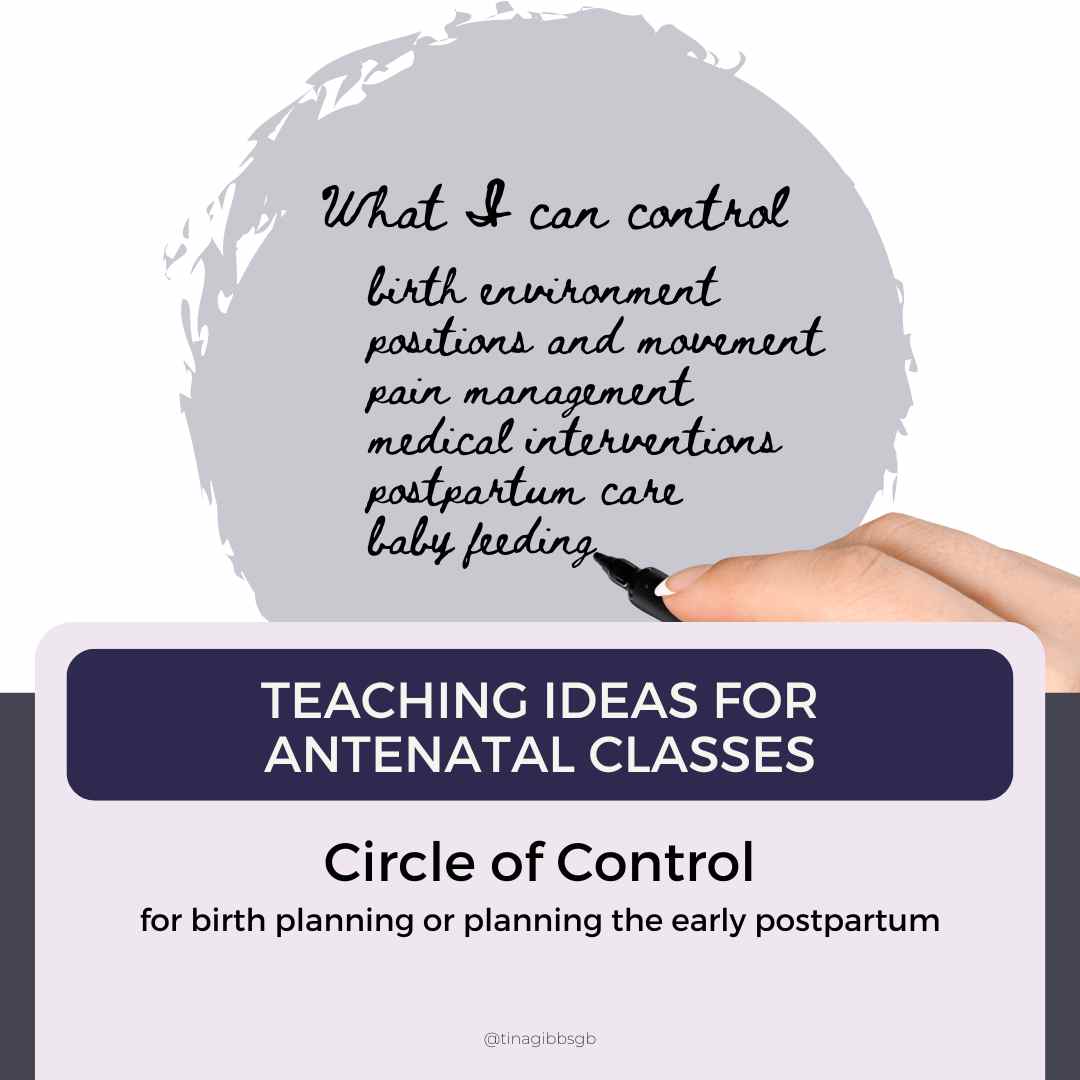
Understanding the Circle of Control

The Circle of Control is a psychological concept that encourages you to focus your energy and attention on things within your control, rather than dwelling on factors beyond your control. This principle can be especially helpful when it comes to writing your birth plan, as there are aspects of the birthing experience that you can influence, and others that are beyond your control.

Identifying Elements within Your Control
  1. Birth Environment: Begin by considering the atmosphere in which you would feel most comfortable giving birth. Think about factors such as lighting, music, and the presence of loved ones. Discuss your preferences with your birth partner, doula, birthing team and explore options that align with your vision.
  2. Labour Positions and Movement: Research different labour positions and movement techniques that can benefit and support the birthing process. Discuss these options with your healthcare provider and express your desire to have flexibility in choosing positions that feel right for you during labour.
  3. Pain Management: Outline your preferences for pain management, whether it’s through natural methods like breathing exercises, massage, or water immersion, or medical interventions such as epidurals. Ensure that your choices are communicated clearly with your healthcare team.
  4. Medical Interventions: Understand the available medical interventions and express your preferences regarding interventions like induction, episiotomy, and fetal monitoring. Discuss the potential benefits and risks with your healthcare provider to make informed decisions.
  5. Postpartum Care: Consider your wishes for immediate postpartum care, including skin-to-skin contact, breastfeeding preferences, and any specific instructions for the care of your newborn.
Elements Outside Your Control
  1. Unpredictable Circumstances: Acknowledge that childbirth is inherently unpredictable. While you can plan for many aspects, unforeseen circumstances may arise. Be open to adjustments and trust your healthcare team to prioritize the well-being of both you and your baby. Use your BRAIN acronym to help you with informed decision-making.
  2. Medical Emergencies: Understand that in certain situations, medical emergencies may necessitate interventions that deviate from your initial plan. Be prepared mentally for unexpected scenarios and trust your healthcare providers to make the best decisions for your safety. Use your BRAIN acronym to help you with informed decision-making.

Crafting a birth plan using the Circle of Control is a powerful way to empower yourself during the birthing process. By focusing on elements within your influence and acknowledging those beyond it, you can approach childbirth with a sense of preparedness and confidence. Communication with your birth partner, doula and healthcare team is key, and the collaborative effort between you, your birth partner, doula, and your medical professionals can help create a positive and fulfilling birthing experience that aligns with your values and preferences. Embrace the journey, trust the process, and celebrate the miracle of life.

Download your Circle of Control worksheet and start your birth planning now!

Sources and further reading

  • LOTHIAN, Judith. Birth plans: the good, the bad, and the future. Journal of Obstetric, Gynecologic & Neonatal Nursing, 2006, 35. Jg., Nr. 2, S. 295-303.
  • MEI, Jenny Y., et al. Birth plans: what matters for birth experience satisfaction. Birth, 2016, 43. Jg., Nr. 2, S. 144-150.
  • MUTONGI, Chipo; MAZHAWIDZA, Rushworth. DEALING WITH THE MINDSET WHEN FACED WITH CHANGE AND DIFFERENT SITUATIONS.
  • Dr Lucy Russell: https://www.theyarethefuture.co.uk/circle-of-control-printable/
Posted on Leave a comment

Navigating Stress in Pregnancy: Understanding the Sympathetic Nervous System

navigate stress in pregnancy

Navigating stress in pregnancy: Understanding the Sympathetic Nervous System. How to spot the signs of stress and how to combat stress during our pregnancy.

Your pregnancy is a beautiful and transformative journey for many women, but it also comes with its fair share of challenges and stressors. Stress during pregnancy is not uncommon and can be triggered by various factors such as hormonal changes, physical discomfort, or concerns about the upcoming responsibilities of parenthood. During these times, the body’s intricate systems, including the Sympathetic Nervous System (SNS), play a crucial role in how a pregnant woman or person responds to and copes with stress.

We will explore the Sympathetic Nervous System and its impact on expectant mothers/pregnant people, shedding light on the importance of managing stress for the well-being of both the you and your developing baby.

Understanding the Sympathetic Nervous System

The nervous system is divided into two main branches: the Central Nervous System (CNS) and the Peripheral Nervous System (PNS). The PNS further branches into the Sympathetic Nervous System (SNS) and the Parasympathetic Nervous System (PNS), each responsible for distinct physiological responses.

The Sympathetic Nervous System is often referred to as the “fight or flight” system. When activated, it prepares the body to respond to perceived threats by releasing stress hormones such as cortisol and adrenaline. During pregnancy, the SNS can be triggered by various stressors, including emotional, physical, or environmental factors.

Impact of Stress on Pregnancy

While the body’s stress response is a natural and adaptive mechanism, chronic activation of the SNS during pregnancy can have significant implications for both you and your developing baby. Research suggests that prolonged stress may contribute to adverse outcomes, including preterm birth, low birth weight, and developmental issues.

  1. Preterm Birth: High levels of stress hormones circulating in your bloodstream can lead to uterine contractions, potentially triggering preterm labour. Babies born prematurely may face health challenges and require specialized care.
  2. Low Birth Weight: Chronic stress during pregnancy has been linked to lower birth weight in infants. Low birth weight can increase the risk of health complications for the baby and may impact their long-term development.
  3. Developmental Issues: The developing fetus is sensitive to the hormonal fluctuations caused by maternal stress. Studies have suggested a correlation between maternal stress and an increased risk of behavioral and cognitive issues in children.
Navigating Stress during Pregnancy

Recognizing the impact of stress on pregnancy underscores the importance of implementing effective stress management strategies. Here are some techniques for you to incorporate into your routine:

  1. Mindfulness and Relaxation Techniques: Practices such as meditation, deep breathing exercises, and guided imagery can help activate the Parasympathetic Nervous System, promoting relaxation and reducing stress.
  2. Regular Exercise: Physical activity has been shown to have positive effects on mood and stress reduction. Engaging in safe and appropriate exercises during pregnancy can contribute to overall well-being. Try pregnancy yoga, pilates or swimming.
  3. Support System: Building a strong support system is crucial during pregnancy. Whether it’s through friends, family, or support groups, having a network to share experiences and concerns can alleviate stress. Meet and make friends with other expectant parents during your antenatal classes.
  4. Healthy Lifestyle: Maintaining a balanced and nutritious diet, staying hydrated, and getting enough sleep contribute to overall well-being and can help mitigate stress.

Your pregnancy is a unique and transformative journey, and managing stress is an essential aspect of ensuring the health and well-being of both you and your developing baby. Understanding the role of the Sympathetic Nervous System and implementing effective stress management strategies can contribute to a more positive and fulfilling pregnancy experience. By prioritizing self-care and seeking support, you can navigate the challenges of pregnancy with resilience and grace.

Online Birth Preparation Course only £35!

Please also check out my online course! No videos, just text and images to learn in your own time. Includes hypnobirthing mp3s, scripts, workbook, handouts, infographics and much more! Lots and lots of information at your fingertips! Includes:

  • hypnobirthing mp3s
  • hypnobirthing scripts
  • written information
  • infographics and other imagery
  • printable handouts
  • printable workbook/journal
Posted on Leave a comment

Umbilical Cord Ties or Clamps what do you prefer?

Umbilical Cord Ties or Clamps

In the process of giving birth, even the smallest things are important, like how the umbilical cord is managed after the baby is born. Lately, there has been more interest in using umbilical cord ties instead of the plastic clamps that doctors have been using for a long time.

Umbilical Cord Clamps

Umbilical cord clamps have been commonly used by healthcare professionals for a long time. They are usually made of plastic and are used to seal the umbilical cord after it has been cut. This clamp stays in place until the remaining cord stump dries and falls off naturally, which usually happens one to two weeks after the birth of your baby.

Benefits for Healthcare Professionals:

  1. Ease of Application: Clamps are straightforward to apply, making them convenient for healthcare professionals.
  2. Standardization: Clamps offer a standardized method of cord closure, ensuring consistency across different healthcare settings.
  3. Familiarity: Healthcare professionals are well-trained in the application of clamps, reducing the risk of errors during the process.

Benefits for Parents:

  1. Peace of Mind: Parents often find reassurance in the visible presence of the clamp, which serves as a tangible reminder of their newborn’s recent birth.
  2. Low Maintenance: Clamps require minimal maintenance and are designed to remain securely in place until the cord naturally separates. They cannot accidentally come undone.

Umbilical Cord Ties

Umbilical cord ties, typically made of soft material such as cotton, have gained popularity as an alternative to clamps in recent years. They offer a more flexible and gentle approach to cord closure.

Benefits for Healthcare Professionals:

  1. Flexibility: Cord ties provide healthcare professionals with greater flexibility in managing the umbilical cord, allowing for easier positioning and handling during childbirth.
  2. Reduced Waste: Unlike clamps, cord ties are often brought to the birth by the parents and can be carried in reusable containers.

Benefits for Parents:

  1. Comfort: Cord ties are softer and more pliable compared to clamps, reducing the likelihood of discomfort for newborns as they adjust to life outside the womb.
  2. Aesthetic Appeal: Many parents appreciate the aesthetic appeal of cord ties, which can come in a variety of colors and designs, adding a personalized touch to the birthing experience.
  3. More environmentally friendly: Most cord ties are made from cotton which is biodegradable.

Conclusion: Making Informed Choices in Childbirth

In the realm of childbirth, the decision between umbilical cord ties and clamps ultimately depends on individual preferences, healthcare protocols, and medical considerations. While both methods serve the fundamental purpose of securing and sealing the umbilical cord, each offers unique advantages for babies, parents, and healthcare professionals alike.

By making informed choices, you can actively participate in shaping your birth experience and ensuring the health and well-being of your baby from the very first moments of life.

Posted on Leave a comment

Facilitating a Labour rehearsal

Facilitating a Labour rehearsal

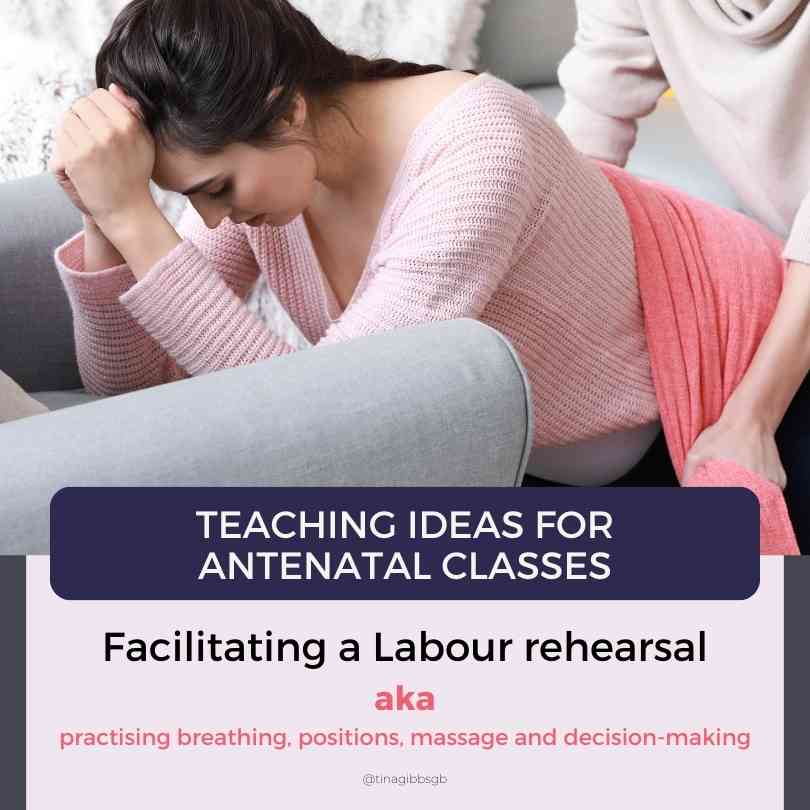
Facilitating a Labour rehearsal – A labour rehearsal in an antenatal class setting is a key component of antenatal education and something every birth worker should be prepared to facilitate.

Labour rehearsals in an antenatal setting offer a hands-on approach to familiarize soon-to-be parents with the stages of labour and various coping techniques. Facilitating effective labour rehearsals requires careful planning, empathy, and a commitment to empowering parents-to-be. We will explore the essential elements of facilitating a successful labour rehearsal in antenatal classes here.

  1. Establishing a Comfortable Environment:

Creating a safe and welcoming atmosphere is the foundation of a successful labour rehearsal. Start by arranging the room in a way that encourages open communication and participation. Ensure there is enough space for movement and encourage participants to ask questions and share their concerns.

  1. Providing Comprehensive Information:

Begin the rehearsal by providing comprehensive information about the stages of labour and childbirth. Talk about common medical interventions, and the role of healthcare professionals and the birth partner. Use visual aids, such as posters, labour timeline banners or beadlines, to help parents-to-be better understand the physiological aspects of childbirth. Knowledge is empowering, and a well-informed parent or couple is better prepared to navigate the challenges of childbirth.

  1. Demonstrating Labour Positions and Techniques:

Actively involve participants by demonstrating different labour and childbirth positions and relaxation techniques. Encourage them to practice these positions with their partners and/or doula, emphasizing the importance of communication and support during labour. Incorporate breathing techniques, massage techniques, and visualization to help participants build confidence in their ability to cope with the intensity of labour. I have created a few fortune tellers, to facilitate your labour rehearsal in a fun and engaging way: Massage fortune teller, Breathing fortune teller, positions for childbirth fortune teller or a blank template for your or your clients’ ideas.

  1. Emphasizing Partner Involvement:

Labour rehearsals should actively involve partners, as their support is invaluable during childbirth. Encourage partners to participate in hands-on activities, such as massage, counter-pressure techniques, and providing emotional support. This not only strengthens the bond between the couple but also ensures a more positive birthing experience. Partners really like having some flashcards to use during their labour rehearsals at home or in class. You can download my massage flashcards, let your oxytocin flow flashcards, breathing techniques flashcards or positions for childbirth flashcards from my shop.

  1. Simulating Scenarios and Decision-Making:

Create scenarios that simulate the unpredictability of labour and childbirth. This may include sudden changes in birth plans, unexpected complications, or different birthing environments. Guide participants through decision-making processes and encourage them to discuss their preferences with healthcare providers. This exercise helps build resilience and adaptability for the actual birthing experience.

  1. Addressing Emotional Preparedness:

Childbirth is a profound and emotional experience. Allocate time during your antenatal classes to discuss the emotional aspects of labour, including fears, expectations, and coping with unexpected outcomes. Foster a supportive environment where participants feel comfortable sharing their feelings and expressing any anxieties they may have.

Facilitating labour rehearsals in antenatal classes requires a holistic approach that combines information, practical skills, and emotional support. By creating a comfortable environment, providing comprehensive information, demonstrating techniques, emphasizing partner involvement, simulating scenarios, and addressing emotional preparedness, educators can empower expectant parents to approach childbirth with confidence and resilience. Ultimately, a well-conducted labour rehearsal contributes to a positive birthing experience and lays the foundation for a smooth transition into parenthood.