Posted on Leave a comment

Creative Pregnancy Announcement Ideas to Share Your Big News

Creative Pregnancy Announcement Ideas

Creative Pregnancy Announcement Ideas to Share Your Big News

Discovering you’re expecting is one of the most exciting moments in life, and announcing your pregnancy to loved ones can be just as thrilling! Whether you’re looking for something sweet and simple or planning a grand reveal, here are some fun and unique pregnancy announcement ideas that will leave everyone buzzing with joy.

1. A Personalised Puzzle Pregnancy Announcement

Why not have your family and friends solve a mystery to discover your exciting news? Customised jigsaw puzzles are a wonderful way to turn your pregnancy reveal into an interactive moment. Order a personalised puzzle online with a message like “We’re expecting!” or “Baby on the way!” Watch the delight unfold as they piece it together and realise what it means.

2. Printable Escape Room Reveal

For something truly unique and immersive, consider a printable escape room. This idea brings a bit of adventure to your announcement, making it a fun challenge for your loved ones. You can create a themed escape room where participants have to solve puzzles, follow clues, and unlock the final message – your pregnancy announcement! There are various themes you could explore, such as woodland animals, holidays, or a bespoke theme that reflects your family’s personality. If you’d like me to create a bespoke printable escape room for you, please get in touch! You can easily design a DIY escape room using printable puzzles and clues, or download a pre-made version. At the end of the game, participants unlock the big surprise – perhaps using a 4-digit code that reveals the news. It’s an exciting way to make the moment unforgettable! You can also purchase your baby shower printables from my site!

3. A Baby Book Reveal

Take an unexpected approach by gifting family and friends a classic baby book. Inside, write a heartfelt message announcing your pregnancy. You could also include an ultrasound photo or a handwritten note. This is a sweet, sentimental way to share the news, perfect for those who appreciate personal touches.

4. Pet Announcement

If you have a pet, let them take part in the big reveal! Dress up your dog, cat, or even your rabbit with a cute sign or bandana that says something like “Big Brother” or “Big Sister.” Snap a photo of your pet looking proud (or confused!) and send it to family and friends. This light-hearted approach is sure to get plenty of smiles.

5. A Family Photo with a Twist

Organise a family photo shoot with a little twist. Pose with your partner in a way that subtly hints at your pregnancy – holding a tiny pair of baby shoes, a tiny outfit, or an ultrasound picture. Later, you can send out the photos or post them online to reveal your news. A picture says a thousand words, and this one will say just the right thing!

6. A Bunting or Banner Announcement

Create a banner or bunting with the words “Baby on the way” or “We’re expecting!” Hang it somewhere special in your home and invite close family and friends over for a casual get-together. As they walk in, they’ll be greeted by your big news. This idea works beautifully for intimate gatherings or even a surprise video call.

7. A Creative Cake Pregnancy Announcement

Everyone loves cake! You can announce your pregnancy by bringing out a beautifully decorated cake with a hidden message inside. You might choose to have the cake filled with coloured icing or even a small note or toy that reveals your exciting news when cut. Whether you opt for a simple design or something a bit more elaborate, it’s bound to be a sweet surprise.

8. A Custom Scratch Card

For a creative and unexpected announcement, custom scratch cards are an excellent option. You can create personalised cards that have a message like “We’re having a baby!” hidden under a scratch-off layer. Hand them out to friends and family and watch their faces light up as they reveal the big news. It’s a clever, interactive way to share your happiness.

9. Baby-Themed Gift Reveal

Wrap up a baby item such as a onesie, a baby book, or a small toy, and give it to your family or friends as a “just because” gift. When they open it, the meaning will dawn on them, and you’ll get to see their priceless reactions. This is a great way to share the news in a personal and meaningful way, especially with those closest to you.

10. Holiday-Themed Announcement

If you’re revealing your pregnancy around a holiday, take advantage of the festive spirit! For example, a Christmas pregnancy announcement could involve a special ornament that says “Baby’s First Christmas – Coming Soon.” For Halloween, consider a tiny pumpkin or a baby skeleton costume with “Due in [month]” written on it. This adds a playful touch to an already joyful time of year.

No matter how you decide to announce your pregnancy, the most important part is making it memorable for both you and your loved ones. Whether it’s through a personal photo, an interactive escape room, or a simple gift, sharing this exciting news in your own way will make it truly special.

Online Birth Preparation Course only £35!

Please also check out my online course! No videos, just text and images to learn in your own time. Includes hypnobirthing mp3s, scripts, workbook, handouts, infographics and much more! Lots and lots of information at your fingertips! Includes:

  • hypnobirthing mp3s
  • hypnobirthing scripts
  • written information
  • infographics and other imagery
  • printable handouts
  • printable workbook/journal
Posted on Leave a comment

Teaching about Birth Preferences and Birth Plans: A Guide for Perinatal Educators

Teaching about Birth Preferences and Birth Plans

Teaching about Birth Preferences and Birth Plans. As perinatal educators, antenatal teachers, doulas, and birth workers in the UK, one of the most important roles we play is helping expectant parents navigate the often overwhelming world of birth preferences and birth plans. These tools empower parents-to-be to make informed decisions, advocate for themselves, and communicate their wishes clearly with healthcare providers. However, it’s crucial to teach this topic in a way that is flexible, inclusive, and respectful of the unpredictable nature of birth.

In this post, we’ll explore some effective strategies and activity ideas for teaching about birth preferences and birth plans, whether you’re working with groups or individuals, and whether your sessions are in-person or online.


Understanding Birth Preferences vs. Birth Plans

What Are Birth Preferences?

Birth preferences are a flexible approach that allows parents to outline their wishes for labour and birth while recognising that circumstances may change. This mindset encourages a sense of adaptability and can reduce feelings of disappointment if things don’t go exactly as planned.

What Are Birth Plans?

Birth plans are more detailed and structured, typically outlining specific choices regarding pain relief, birthing positions, who will be present, and what to do in case of complications. While still subject to change, birth plans can be a useful tool for clear communication with healthcare providers.


Group Activities

In-Person

1. Birth Preferences Brainstorming Session
Activity: Divide participants into small groups and provide them with a variety of scenario cards. Each card should present different birth situations, such as an unplanned caesarean or an early arrival. Ask the groups to brainstorm potential birth preferences for each scenario.
Objective: This activity helps parents understand the range of possibilities and encourages flexible thinking.
Materials: Scenario cards, flip charts, markers.

2. Birth Plan Role-Play
Activity: Organise a role-playing exercise where participants take on the roles of parents, midwives, and doctors. Using sample birth plans, each group acts out how they would discuss and implement the plan in different scenarios.
Objective: This role-play helps build confidence in communicating birth plans and adapting to changing circumstances.
Materials: Sample birth plans, role cards, props (e.g., stethoscopes, blankets).

Online

1. Interactive Birth Preferences Quiz
Activity: Create a quiz that participants can take during the session. The quiz should cover different aspects of birth preferences, asking parents-to-be to choose their preferred options in various scenarios. Discuss the answers as a group to highlight the diversity of preferences and the importance of flexibility.
Objective: This activity helps to engage participants and allows them to reflect on their own preferences.
Tools: Online quiz platforms like Kahoot or Google Forms.

2. Virtual Birth Plan Workshop
Activity: Share a birth plan template with participants and guide them through filling it out during the session. Encourage discussion and questions in real-time, either through chat or by unmuting participants to share thoughts.
Objective: This workshop ensures participants leave with a concrete, well-thought-out birth plan while feeling supported and heard.
Tools: Video conferencing software with screen-sharing capabilities, editable templates.


1:1 Activities

In-Person

1. Personalised Birth Preferences Discussion
Activity: Sit down with the parent(s)-to-be and have an in-depth conversation about their birth preferences. Use open-ended questions to explore their values, concerns, and hopes for the birth experience.
Objective: This personalised discussion allows for a deep understanding of the parents’ unique situation and helps tailor the birth plan accordingly.
Materials: Birth preferences worksheets, note-taking materials.

2. Creating a Visual Birth Plan
Activity: Work with the parent(s) to create a visual birth plan using images and icons to represent their preferences. This can be particularly helpful for those who find it easier to communicate visually rather than through text.
Objective: A visual birth plan is a quick-reference tool that can be easily shared with healthcare providers.
Materials: Magazines, scissors, glue, poster boards, markers, or digital tools like Canva.

Online

1. 1:1 Virtual Birth Preferences Consultation
Activity: Conduct a private video call to discuss the parent(s)’ birth preferences in detail. Use screen-sharing to show examples of birth plans and answer any questions they may have.
Objective: This ensures the parent(s) feel supported and informed, even in a remote setting.
Tools: Video conferencing software, digital birth plan templates.

2. Guided Birth Plan Creation via Shared Document
Activity: Use a shared online document to guide the parent(s) through the process of creating their birth plan. Make suggestions and edits in real-time, allowing them to see the birth plan come together as you discuss it.
Objective: This collaborative approach ensures that the birth plan is comprehensive and tailored to the parent(s)’ needs.
Tools: Google Docs or other shared document platforms.


Final Thoughts

Teaching about birth preferences and birth plans is about more than just providing information—it’s about empowering parents to feel confident and prepared for their birth journey. Whether you’re working with groups or individuals, in person or online, the key is to create a supportive environment where parents feel free to explore their options, ask questions, and express their hopes and fears.

By integrating these activities into your sessions, you can help parents-to-be create birth preferences and plans that are both realistic and empowering, setting the stage for a positive birth experience no matter what unfolds.

Remember, birth plans and preferences should always be flexible, and the ultimate goal is a healthy mother and baby, no matter the path taken to get there.


Let’s continue to support, educate, and empower expectant parents across the UK, helping them navigate their birth journey with confidence and clarity.

Posted on Leave a comment

Starting Solids: The Benefits of Using a Meal Planner and Food Diary for Weaning

Weaning food diary

Introducing solids is one of the most exciting milestones in your baby’s first year. It’s a time filled with curiosity, mess, and a whole new world of tastes and textures. However, it can also be a bit overwhelming. With so many questions—What should I feed my baby? How much should they eat? Are they getting a balanced diet?—it’s easy to feel uncertain. This is where a meal planner and food diary can become your best allies in the weaning journey.

Why Consider a Meal Planner?

1. Ensures Variety and Balanced Nutrition A meal planner helps you ensure that your baby is receiving a variety of foods, which is essential for balanced nutrition. Babies need a mix of fruits, vegetables, proteins, and grains to develop healthily. By planning meals in advance, you can make sure your baby gets a good mix of nutrients each week, and you can avoid repetitive meals that might limit their exposure to different foods.

2. Saves Time and Reduces Stress Planning meals ahead of time can significantly reduce the daily stress of deciding what to feed your baby. With a meal planner, you’ll know exactly what you’re preparing each day, which can save you time and make shopping easier. It’s also a great way to ensure you’re always prepared, even on those busy days when things don’t go to plan.

3. Helps Identify Allergies and Preferences Introducing solids is also the time when potential allergies might become apparent. By planning and documenting what foods are introduced and when, you can more easily identify if any particular food causes a reaction. A meal planner also helps you track your baby’s preferences, so you can see which foods they enjoy and which might need a bit more time.

The Advantages of a Weaning Food Diary

1. Tracks Your Baby’s Progress A food diary is an excellent tool for tracking your baby’s weaning journey. It allows you to document what they’ve eaten, how much they’ve eaten, and their reactions to different foods. Over time, this record will give you a clear picture of your baby’s likes, dislikes, and overall progress with solid foods.

2. Supports Healthy Eating Habits Recording your baby’s meals can help you establish healthy eating patterns from the start. You can monitor portion sizes and ensure your baby is getting regular meals and snacks throughout the day. This consistency is key to developing a healthy relationship with food as they grow.

3. Useful for Health Appointments Bringing a food diary to health visitor appointments can be incredibly helpful. It provides a clear record of what your baby has been eating, which can be useful if you have any concerns about their nutrition, growth, or any possible food intolerances. Health professionals can offer tailored advice based on the detailed information you provide.

4. Reflects on Your Weaning Journey A food diary is not just practical—it can also be a lovely keepsake. Looking back on those first foods, the messy meals, and the milestones like the first time they fed themselves can bring back fond memories. It’s a personal record of an important phase in your baby’s life.

How to Get Started

1. Find the Right Tools There are many meal planners and food diary templates available online, or you can create your own. Some parents prefer paper-based diaries, while others use apps for convenience. Choose what works best for you and your lifestyle.

2. Keep it Simple You don’t need to plan elaborate meals or write detailed diary entries. Simple notes about what your baby ate, how much they ate, and any reactions or preferences are enough to start with. The key is consistency.

3. Make it a Routine Incorporate meal planning and food diary updates into your weekly routine. Set aside a time that works for you—perhaps on a Sunday evening—to plan the week’s meals and review your baby’s progress.

4. Be Flexible Babies are unpredictable, and your plans might not always go as intended. It’s important to remain flexible and adapt as needed. If your baby doesn’t like a food one week, don’t worry—try again later. The goal is to make the weaning process as smooth and enjoyable as possible.

Download my weaning food diary here.

food diary meal planner starting solids baby weaning

Final Thoughts

Starting solids is a big step for your baby, and using a meal planner and food diary can make the journey more manageable and enjoyable for both of you. These tools provide structure, reduce stress, and ensure your baby gets the balanced diet they need to grow and thrive. Plus, they offer a wonderful way to track and cherish these precious firsts.

So why not give it a try? With a little planning and documentation, you can navigate the weaning journey with confidence and peace of mind.

Posted on Leave a comment

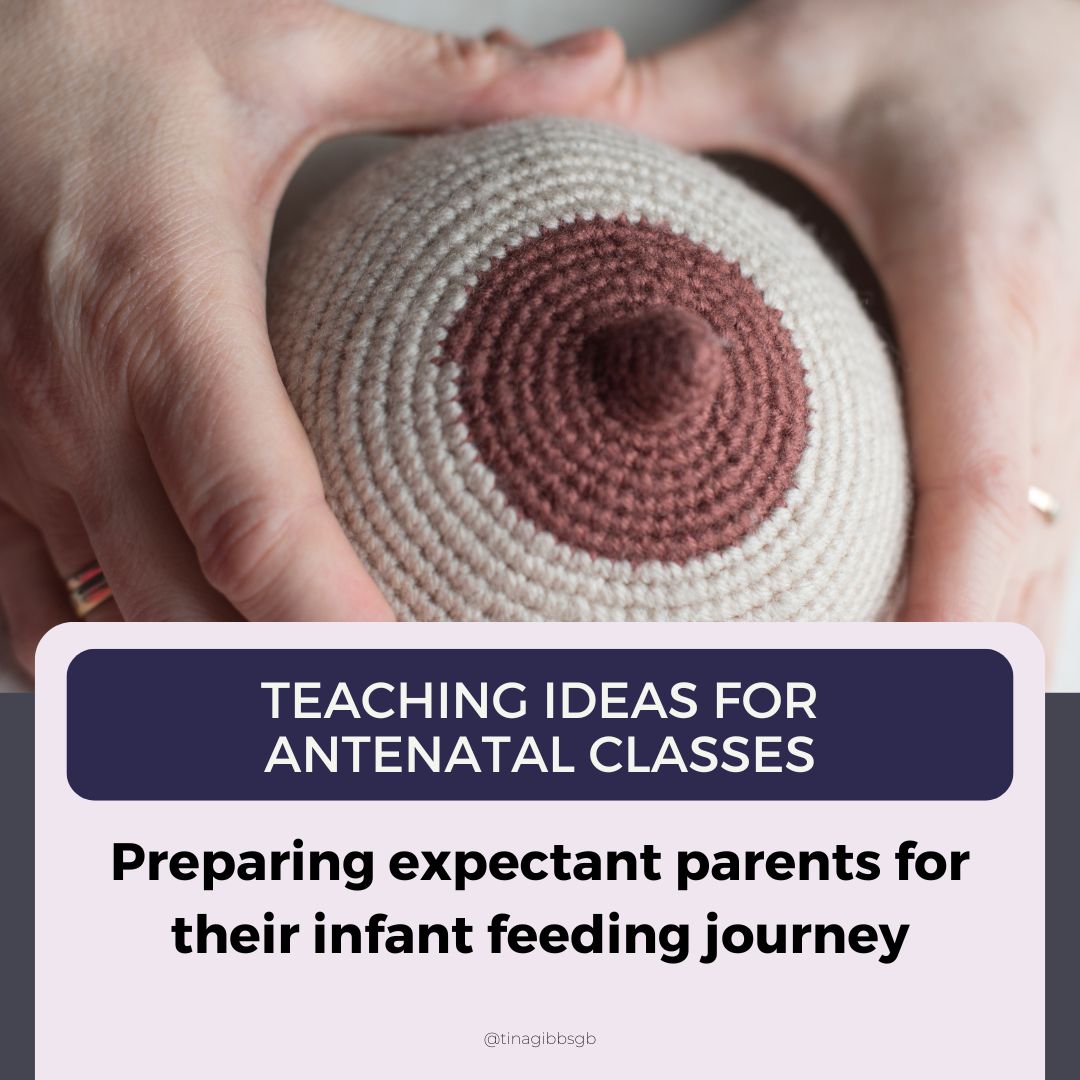
Preparing Expectant Parents for Their Infant Feeding Journey: A Guide for Birth Workers, Doulas, and Infant Feeding Supporters

preparing for infant feeding journey

As birth workers, doulas, and infant feeding supporters, you play a crucial role in preparing expectant parents for the journey of feeding their infants. Empowering parents with the knowledge and confidence they need can make a significant difference in their experience and the health of their baby. This guide will provide you with evidence-based information, practical teaching activities, and essential signs to look for to ensure feeding is going well or when additional support may be needed.

Teaching Activities for Expectant Parents

  1. Interactive Workshops: Organise hands-on sessions where parents can learn about different feeding positions, latch techniques, and the use of breastfeeding aids. Use lifelike dolls and breastfeeding pillows to simulate real-life scenarios.
  2. Visual Aids and Handouts: Provide clear, visual guides showing the anatomy of breastfeeding, how milk production works, and common feeding cues. Resources from the NHS, First Steps Nutrition Trust and UNICEF can be very helpful.
  3. Role-Playing Scenarios: Conduct role-playing exercises where parents can practice responding to different feeding situations, such as a baby who is fussy at the breast or a mother experiencing engorgement. This can help build their confidence in handling real-life challenges.
  4. Q&A Sessions: Create a safe space for parents to ask questions and discuss their concerns. Address common myths and misconceptions about infant feeding to ensure they have accurate information.
  5. Infant feeding resources for birth workers: Browse all my infant feeding activities, posters and tools here: https://tinagibbs.co.uk/product-category/infant-feeding/

Signs That Feeding is Going Well

For Breastfeeding:

  • Effective Latch: The baby’s mouth should cover a large portion of the areola, not just the nipple. You should hear rhythmic sucking and swallowing sounds.
  • Weight Gain: The baby should start gaining weight after the initial post-birth weight loss, typically regaining birth weight by about two weeks.
  • Regular Wet and Dirty Nappies: Expect at least six wet nappies and three or more dirty nappies per day after the first few days. Also see my “Your Baby’s Stool” Guide.
  • Contentment After Feeds: The baby should seem satisfied and content after feeding sessions.

For Bottle Feeding:

  • Steady Feeding: The baby should suck steadily and swallow regularly without gulping or choking. Use responsive and paced bottle feeding following baby’s cues.
  • Contentment: Similar to breastfeeding, the baby should appear content and satisfied after feeding.
  • Weight Gain and Output: The baby should gain weight consistently and produce an appropriate number of wet and dirty nappies.

Signs That Feeding May Not Be Going Well

For Breastfeeding:

  • Poor Latch: Signs of a poor latch include nipple pain, clicking sounds, or the baby slipping off the breast frequently.
  • Insufficient Weight Gain: If the baby is not regaining birth weight by two weeks or is not gaining weight steadily.
  • Fewer Wet and Dirty Nappies: Fewer than six wet nappies or less frequent dirty nappies can indicate inadequate milk intake.
  • Persistent Fussiness: If the baby is constantly fussy and seems unsatisfied after feeds.

For Bottle Feeding:

  • Frequent Gulping or Choking: This could indicate that the flow of milk is too fast or the baby is having trouble feeding.
  • Poor Weight Gain: If the baby is not gaining weight as expected.
  • Irritability or Discomfort: If the baby seems uncomfortable or has excessive gas, this might be a sign of feeding issues.

Sources and Places of Support

  1. UNICEF UK Baby Friendly Initiative: Provides comprehensive resources and support for breastfeeding and infant feeding practices. Their guidelines are based on extensive research and evidence. Visit UNICEF Baby Friendly
  2. NHS Choices: The NHS website offers detailed information on breastfeeding, bottle feeding, and common feeding challenges. It is a reliable resource for parents and professionals alike. Visit NHS Choices
  3. First Steps Nutrition Trust: This organisation offers valuable resources on infant nutrition, including guides on feeding and weaning. Their evidence-based information is crucial for supporting parents in making informed feeding choices. Visit First Steps Nutrition Trust
  4. The Breastfeeding Network (BfN) resources for practitioners, as well as independent breastfeeding support in the UK. https://www.breastfeedingnetwork.org.uk/
  5. Local Breastfeeding Support Groups: Encourage parents to join local breastfeeding support groups where they can share experiences and receive peer support. Many areas have groups run by trained volunteers who offer valuable advice and encouragement.
  6. Lactation Consultants and Health Visitors: Direct parents to professional support from lactation consultants or health visitors if they encounter persistent feeding difficulties. These professionals can provide personalised assistance and intervention if needed.

By equipping expectant parents with the knowledge and skills they need, you help lay the foundation for a positive infant feeding journey. Remember, your support and guidance can make a significant impact on both the parents and their babies.

Posted on Leave a comment

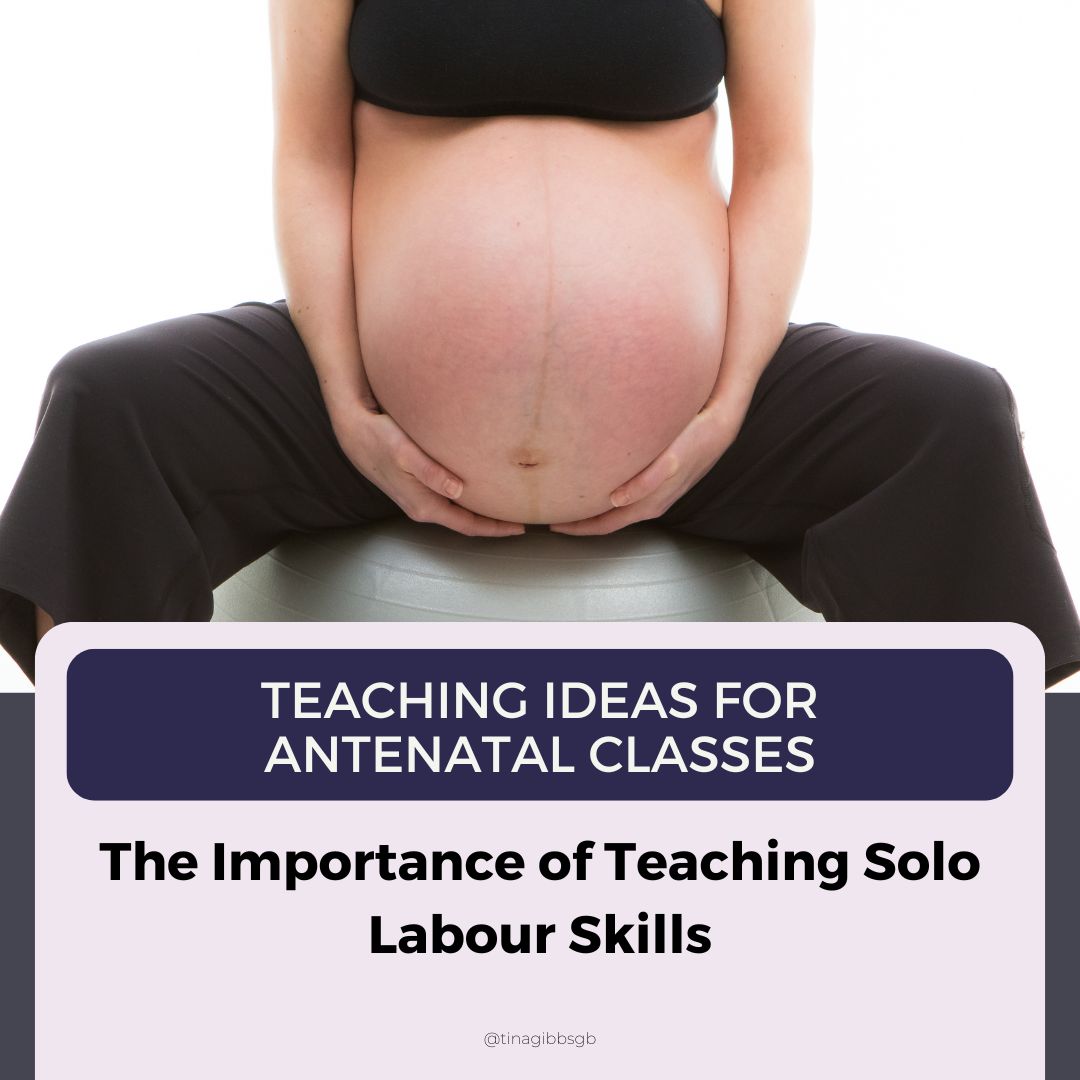
Empowering Expectant Parents: The Importance of Teaching Solo Labour Skills

As antenatal teachers, hypnobirthing instructors, doulas, and childbirth educators, we play a crucial role in preparing expectant parents for one of the most significant experiences of their lives. While much of our focus is on partnership and support during labour, it is equally important to equip pregnant women and people with the skills to cope with labour on their own. Whether due to the absence of a partner, unexpected illness, or logistical challenges, there are various reasons why a birthing person may find themselves alone during labour. Here’s why teaching these skills is essential and how it can empower those we support.

The Reality of Solo Labour

While many envision labour surrounded by supportive partners, family, or friends, the reality can sometimes differ. A birthing person might be alone due to:

  1. No Partner: Single parents by choice or circumstance may not have a partner to accompany them.
  2. Illness: A partner’s sudden illness or other health issues can prevent them from being present.
  3. Logistical Challenges: Work commitments, travel restrictions, or unforeseen emergencies can lead to a partner’s absence.
  4. Personal Choice: Some may prefer to labour alone for personal or cultural reasons.

Recognising these scenarios, it becomes clear why teaching solo labour skills is not just an option but a necessity.

The Rationale for Teaching Solo Labour Coping Skills

  1. Empowerment and Confidence:
    • Knowing they can handle labour on their own empowers expectant parents. It builds confidence, reducing anxiety and fear associated with the birthing process.
    • Self-reliance instils a sense of control and capability, which can significantly enhance the birthing experience.
  2. Practical Preparedness:
    • Solo labour skills include practical techniques such as breathing exercises, visualisation, and self-massage. These methods help manage pain and maintain calm.
    • Educating about the hospital environment, including how to communicate effectively with medical staff, ensures they are better prepared for any situation.
  3. Emotional Resilience:
    • Labour can be an intense emotional journey. Equipping birthing individuals with tools to maintain emotional balance, such as affirmations and mindfulness, is crucial.
    • Encouraging a positive mindset and resilience helps them cope with unexpected challenges and changes in their birth plan.
  4. Reducing Dependence:
    • While support is invaluable, over-reliance on others can lead to increased stress if things don’t go as planned. Teaching solo skills reduces this dependence, fostering self-sufficiency.
    • It also helps in situations where professional support like a doula or midwife may not be available at all times.

Practical Steps to Teach Solo Labour Skills

  1. Incorporate into Antenatal Classes:
    • Dedicate a session to solo labour techniques. Use role-playing scenarios to practice these skills.
    • Highlight the importance of mental preparation and teach strategies such as hypnobirthing scripts tailored for solo use.
  2. Provide Resources:
    • Create handouts or digital resources that detail solo coping strategies, relaxation techniques, and pain management tips.
    • Recommend apps or audiobooks that offer guided meditations and affirmations specifically for labour.
    • Provide your clients with mp3s they can listen to in preparation and during labour.
  3. Simulate Real Situations:
    • Use simulations to help expectant parents experience various scenarios, including being on their own during labour. This can demystify the process and build confidence.
    • Encourage questions and discussions about fears and concerns regarding solo labour.
  4. Support Networks:
    • Encourage building a broader support network beyond the partner. Friends, family, and community resources can be invaluable.
    • Discuss the role of virtual support options, such as video calls, to provide emotional support if physical presence isn’t possible.
    • Discuss the option of hiring a doula as an extra support during pregnancy, birth as well as early postpartum days.

Conclusion

Preparing expectant parents for the possibility of solo labour is not about fostering fear but about empowering them with confidence and practical skills. By teaching these vital techniques, we ensure that every birthing person feels capable, prepared, and supported, no matter the circumstances. As childbirth educators, let’s continue to expand our teachings to embrace all scenarios, promoting resilience and self-reliance in the beautiful journey of bringing new life into the world.

Posted on Leave a comment

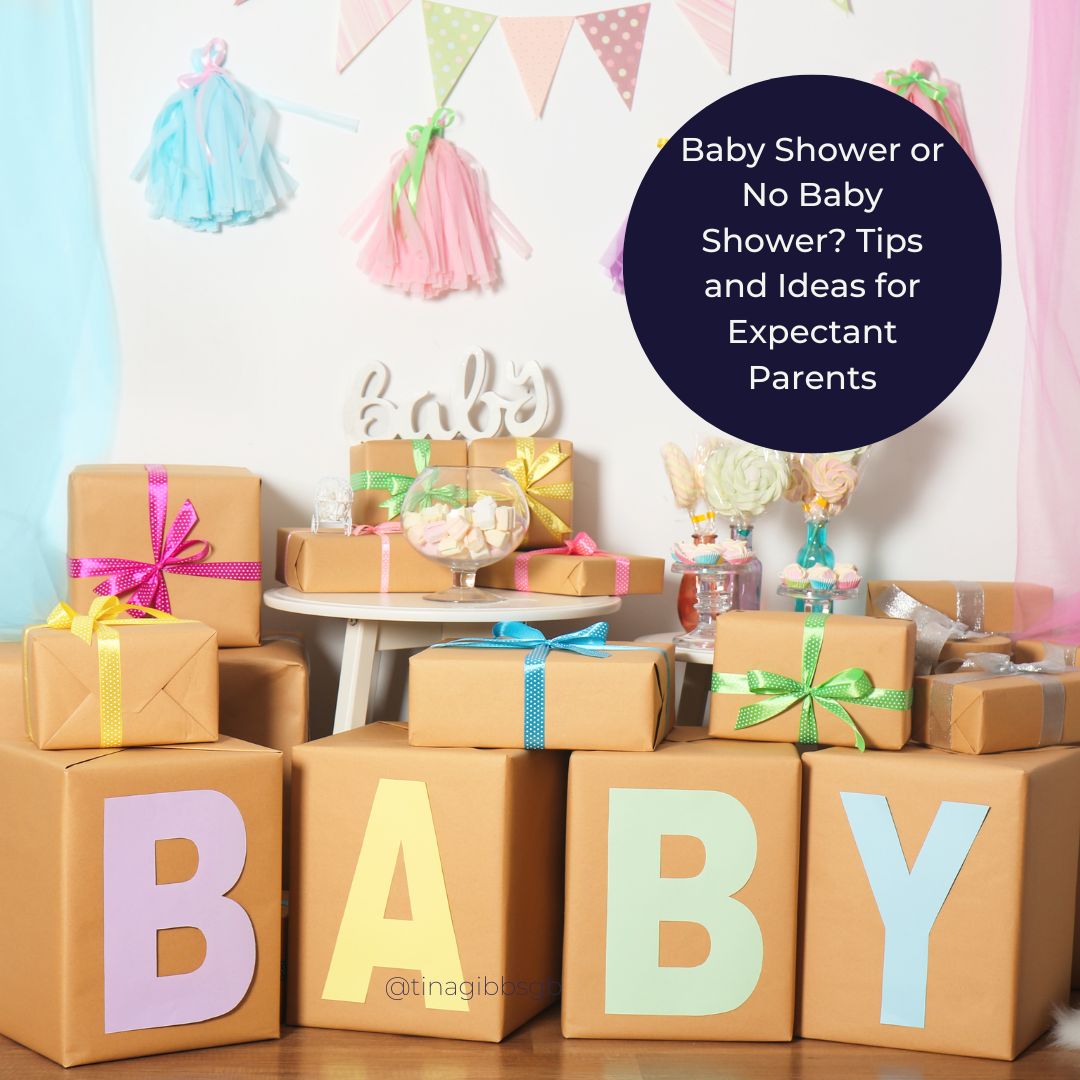
Baby Shower or No Baby Shower? Tips and Ideas for Expectant Parents

Expecting a baby is an exciting time filled with anticipation, joy, and perhaps a bit of nervousness. One question that often arises for expectant parents in the UK is whether to host a baby shower. While baby showers are a well-loved tradition in the United States, they have become increasingly popular across the pond as well. So, should you have a baby shower? And if so, how do you go about planning one? Here’s a guide to help you decide and give you some top tips and ideas if you choose to celebrate this special occasion.

To Baby Shower or Not to Baby Shower?

The decision to have a baby shower is entirely personal and depends on your preferences, cultural traditions, and comfort level. Here are a few considerations to help you decide:

Pros:

  1. Celebration of New Life: A baby shower is a wonderful way to celebrate the impending arrival of your little one with friends and family.
  2. Support System: It provides an opportunity for loved ones to offer their support and share in your excitement.
  3. Gifts and Essentials: You’ll likely receive gifts that can help with the costs associated with a new baby, from nappies to adorable outfits and necessary gear.
  4. Creating Memories: It’s a chance to create lasting memories and take lots of photos to look back on.

Cons:

  1. Planning Stress: Organising a party can be stressful, especially if you’re already feeling overwhelmed with pregnancy.
  2. Unwanted Attention: Some parents-to-be might feel uncomfortable being the centre of attention.
  3. Cost: Hosting a party can be expensive, although there are ways to keep it budget-friendly.

If you’re leaning towards having a baby shower but are worried about the hassle, consider enlisting the help of a close friend or family member to organise it for you.

Baby Shower Ideas

If you’ve decided to go ahead with a baby shower, the next step is planning the event. Here are some ideas to inspire you:

1. Theme Ideas:

  • Classic Blue or Pink: A traditional choice based on the baby’s gender.
  • Neutral and Natural: Earthy tones and natural decorations for a gender-neutral approach.
  • Storybook Characters: Winnie the Pooh, Peter Rabbit, or Beatrix Potter themes can add a charming touch.
  • Seasonal Themes: Celebrate with themes inspired by the time of year, such as a spring garden party or a cosy autumnal gathering.

2. Venue Options:

  • Home: A cosy and cost-effective choice.
  • Garden: If the weather is nice, an outdoor gathering can be lovely.
  • Tea Room: For a quintessentially British experience, consider hosting your shower at a tea room.
  • Community Hall: Ideal if you’re expecting a larger crowd.

3. Activities and Games:

  • Guess the Baby Food: Blindfolded guests taste different baby foods and try to identify them.
  • Nappy Raffle: Guests bring a pack of nappies for a chance to win a prize.
  • Baby Predictions: Guests guess the baby’s birth date, weight, and other fun details.
  • Craft Station: Set up a station where guests can decorate onesies or create custom baby blocks.
  • Printable gender reveal escape rooms
  • For more game ideas, check out my printable baby shower games!

4. Food and Drink:

  • Afternoon Tea: Finger sandwiches, scones, and a selection of teas.
  • Buffet: A variety of finger foods and snacks to suit all tastes.
  • Mocktails: Refreshing non-alcoholic beverages that everyone can enjoy.
  • Cake: No party is complete without a delicious cake. Consider a themed cake to match your shower.

Top Tips for a Successful Baby Shower

  1. Plan Ahead: Start planning early to avoid last-minute stress.
  2. Delegate Tasks: Don’t be afraid to ask for help with planning and hosting.
  3. Set a Budget: Determine how much you’re willing to spend and stick to it.
  4. Send Invites Early: Give your guests plenty of notice, especially if they need to travel.
  5. Consider Comfort: Ensure there are plenty of seats and that the venue is comfortable for all guests, especially the mum-to-be.
  6. Capture the Moments: Designate someone to take photos or hire a photographer to ensure you capture all the special moments.
  7. Thank Your Guests: Prepare thank-you cards in advance to send out after the shower.

Ultimately, whether you decide to have a baby shower or not, remember that this is a special time for you and your growing family. Celebrate in a way that feels right for you, and enjoy the journey towards meeting your new bundle of joy.

Posted on Leave a comment

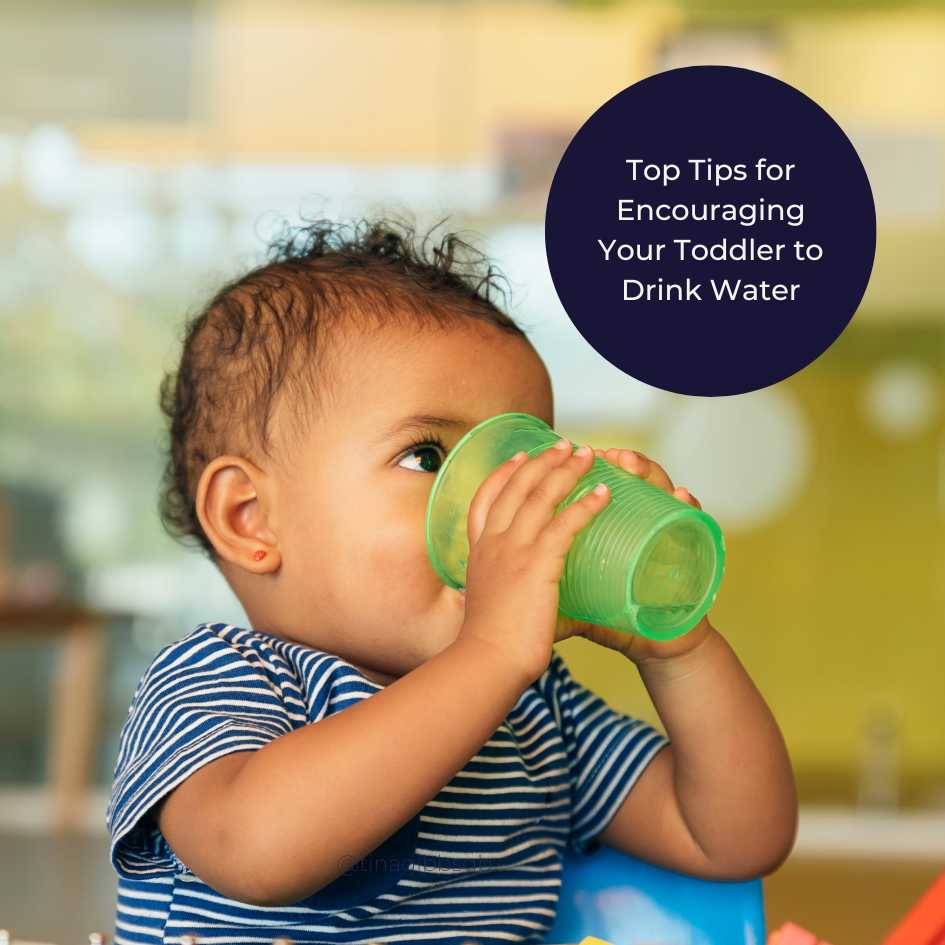
Top Tips for Encouraging Your Toddler to Drink Water

As a parent, you know how crucial it is to keep your little one hydrated, especially during the warmer months. But convincing a toddler to drink water can sometimes feel like a monumental task. Fret not, for we’ve compiled a handy guide tailored for parents in the UK, filled with tips and tricks to make hydration a breeze for your tiny tot.

  1. Lead by Example: Children often mimic their parents’ behaviors. So, make sure you’re setting a good example by drinking water regularly throughout the day. Let them see you enjoying a refreshing glass of water, and they’ll be more inclined to follow suit.
  2. Make It Fun: Turn drinking water into a fun activity! Invest in colourful, child-friendly cups with their favourite cartoon characters or animals. You can even let them pick out their own special cup to use exclusively for water.
  3. Add Some Flavour: Sometimes, plain water can be a bit boring for little taste buds. Infuse water with slices of fruits like strawberries, oranges, or cucumbers to add a hint of flavour without the added sugars found in many fruit juices.
  4. Create a Routine: Establishing a routine can help make drinking water a habit for your toddler. Offer water at regular intervals throughout the day, such as with meals or during snack times. Consistency is key!
  5. Set Reminders: Toddlers can easily get caught up in playtime or other activities and forget to drink water. Set gentle reminders throughout the day to encourage them to take a sip. You could use a timer or make it a part of their daily schedule.
  6. Offer Variety: While water should be the main beverage of choice for your toddler, offering variety can keep things interesting. You can include other hydrating options like diluted fruit juices or herbal teas, but remember to keep an eye on added sugars and opt for healthier alternatives.
  7. Make It Accessible: Keep a filled water bottle within easy reach for your toddler throughout the day. Whether they’re playing in the garden or having quiet time with a book, having water readily available will encourage them to drink more.
  8. Praise and Reward: Positive reinforcement goes a long way with toddlers. Shower them with praise and encouragement every time they finish a glass of water or reach for their water bottle independently. You could also introduce a simple reward system to further incentivise healthy hydration habits. You can download my free printable reward chart here.
  9. Stay Patient: Remember, habits take time to develop, and every child is different. Be patient and persistent in your efforts to encourage your toddler to drink water. Celebrate small victories along the way, and soon enough, staying hydrated will become second nature for your little one.
  10. Consult a Professional if Concerned: If you’re worried about your toddler’s hydration levels or if they consistently refuse to drink water, don’t hesitate to seek advice from your healthcare provider. They can offer personalised guidance and ensure your child stays happy and healthy.

In conclusion, keeping your toddler hydrated doesn’t have to be a battle. With a little creativity, consistency, and patience, you can instill healthy hydration habits that will benefit your child for years to come. Here’s to happy sipping and a well-hydrated little one!

Posted on Leave a comment

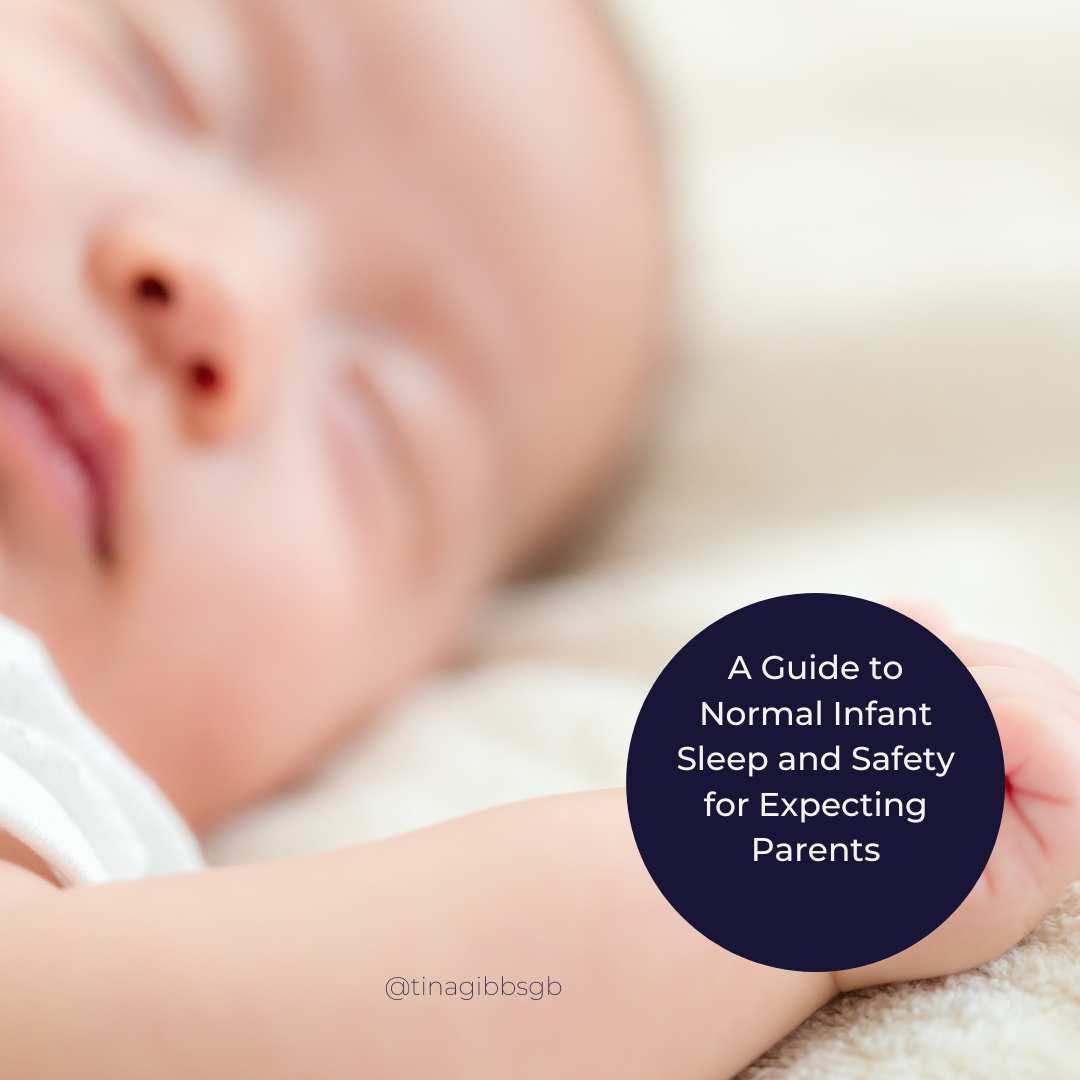
A Guide to Normal Infant Sleep and Safety for Expecting Parents

Congratulations! You’re embarking on one of life’s most incredible journeys – parenthood. As you eagerly await the arrival of your little one, it’s essential to prepare yourself for the reality of sleepless nights that often come hand in hand with the joys of new parenthood. Understanding normal infant sleep patterns and prioritising sleep safety is crucial for your baby’s well-being and your own peace of mind.

Normal Infant Sleep

What is normal infant sleep? Infants have unique sleep patterns that may seem perplexing at first. But rest assured, it’s entirely normal for babies to wake frequently during the night, as their tiny tummies require regular feeding. Newborns typically sleep for 14-17 hours a day, often in short bursts of 2-3 hours at a time. Over time, their sleep patterns will gradually evolve, with longer stretches of sleep emerging as they grow.

Sleep Safety Tips from the Lullaby Trust

The Lullaby Trust provides invaluable guidance to ensure your baby sleeps safely:

  1. Always place your baby on their back to sleep, for both naps and nighttime sleep.
  2. Share your room with your baby for the first six months, but avoid bed-sharing if you or your partner smoke, have consumed alcohol, or if you feel excessively tired.
  3. Keep your baby’s sleep environment clear of pillows, blankets, toys, and any loose bedding.
  4. Ensure your baby’s cot meets current safety standards and has a firm, flat and waterproof mattress.
  5. Maintain a comfortable room temperature, ideally between 16-20°C, to prevent overheating.
  6. Consider using a baby sleeping bag or swaddle to keep your little one snug without the risk of loose bedding.
  7. Avoid smoking, alcohol, or drug use during pregnancy and after birth, as these increase the risk of Sudden Infant Death Syndrome (SIDS).
  8. Breastfeeding, if possible, has been shown to greatly reduce the risk of SIDS.
  9. Ensure your baby’s head remains uncovered during sleep.

Coping with Less Sleep

  1. Prioritise sleep – let go of non-essential tasks and focus on getting as much rest as possible.
  2. Share the load – enlist the help of your partner, family, or friends to take turns caring for your baby during the night.
  3. Create a bedtime routine – establishing a consistent bedtime routine can help signal to your baby that it’s time to sleep.
  4. Accept help – don’t be afraid to accept offers of support from loved ones, whether it’s a home-cooked meal or an hour of babysitting.
  5. Stay hydrated and nourished – fuel your body with nutritious foods and plenty of water to help combat fatigue.
  6. Lower your expectations – embrace the chaos of parenthood and let go of the idea of perfection.
  7. Seek support – connect with other parents going through similar experiences, either in person or online.
  8. Practice self-compassion – be kind to yourself and remember that it’s okay to feel tired and overwhelmed at times.
  9. If you can rest or nap when your baby naps – forget about chores and embrace rest whenever you can.
  10. Remember, this phase is temporary – while it may feel never-ending, the sleepless nights will eventually pass, and you’ll emerge stronger and more resilient than ever before.

You can learn more about infant sleep and find support at BASIS – Baby Sleep Info Source. They have articles and research about normal infant sleep patterns and development and so much more to offer. Check out their site!

As you prepare to welcome your little bundle of joy into the world, keep these tips in mind to navigate the early days of parenthood with confidence and grace. Cherish the precious moments with your newborn, and remember that a well-rested parent is better equipped to care for their baby. Wishing you a smooth transition into parenthood and many restful nights ahead!

Online Birth Preparation Course only £35!

Please also check out my online course! No videos, just text and images to learn in your own time. Includes hypnobirthing mp3s, scripts, workbook, handouts, infographics and much more! Lots and lots of information at your fingertips! Includes:

  • hypnobirthing mp3s
  • hypnobirthing scripts
  • written information
  • infographics and other imagery
  • printable handouts
  • printable workbook/journal
Posted on Leave a comment

Choosing the Perfect Birthplace: A Guide for Expectant Parents

Choosing the Perfect Birthplace: A Guide for Expectant Parents

Choosing the Perfect Birthplace for you, your partner and your baby is one of the first decisions you’ll have to make when you are pregnant.

Bringing a child into the world is a big journey, full of excitement and maybe some nervousness. As expectant parents, choosing where to have the baby is a very important decision. It affects your birthing experience, safety, and overall well-being. This guide will help you understand your options and give insights from the Birth Place Study to help you make this important decision.

Exploring Your Birthplace Options:

  1. Hospital Birth: Hospitals are the traditional choice for childbirth, offering a comprehensive array of medical interventions and specialized care. They are well-equipped to handle emergencies and complications that may arise during labour, providing access to pain relief options and advanced medical technology.
  2. Birth Centers: Birth centers offer a refreshing alternative to hospital settings, providing a warm, homelike environment conducive to natural childbirth. Staffed by midwives who emphasize personalized care and minimal interventions, birth centers cater to low-risk pregnancies and individuals seeking a more intimate birthing experience. Some Birth Centers aka Midwife-led Units are situated on the same site as a hospital, others operate as stand-alone units and transferral requires a ride in the ambulance.
  3. Home Birth: Home birth allows you to embrace the comfort and familiarity of your own surroundings while welcoming your baby into the world. Supported by certified midwives experienced in home births, you have the freedom to tailor your birthing experience to align with your preferences and values.

Insights from the Birth Place Study:

The Birth Place Study, a landmark research endeavor conducted in the UK, examined the outcomes of planned home births, planned birth center births, and planned hospital births. Here are some notable findings:

  • Safety: For low-risk pregnancies, planned home births and planned birth center births were found to be as safe as planned hospital births for the baby.
  • Interventions: Individuals who opted for home births or birth center births experienced fewer medical interventions, such as cesarean sections and assisted vaginal deliveries, compared to those who chose hospital births.
  • Satisfaction: Mothers who gave birth at home or in a birth center reported higher levels of satisfaction with their birthing experience compared to those who delivered in a hospital setting.

Factors to Consider:

  • Medical History: Your medical background and any preexisting conditions should be carefully considered when selecting a birthplace.
  • Personal Preferences: Reflect on your preferences regarding pain management, interventions, and the ambiance in which you envision giving birth.
  • Access to Care: Evaluate the accessibility of emergency medical services and specialized care, particularly if complications arise during labour.

Consultation with Your Healthcare Provider:

Your healthcare provider serves as an invaluable resource throughout your pregnancy journey. Schedule a consultation to discuss your options, address any concerns, and receive personalized guidance tailored to your unique circumstances.

Ultimately, the decision of where to have your baby is deeply personal and should align with your individual needs, values, and aspirations. Trust your instincts, seek support from your partner and healthcare team, and embark on this transformative journey with confidence and clarity.

Wishing you a smooth and joyous pregnancy experience, filled with boundless love and anticipation for the beautiful journey ahead.


Feel free to engage with us by sharing your thoughts and experiences in the comments section below. Your insights may serve as a source of inspiration and guidance for others on a similar path when they are Choosing the Perfect Birthplace for them.

Online Birth Preparation Course only £35!

Please also check out my online course! No videos, just text and images to learn in your own time. Includes hypnobirthing mp3s, scripts, workbook, handouts, infographics and much more! Lots and lots of information at your fingertips! Includes:

  • hypnobirthing mp3s
  • hypnobirthing scripts
  • written information
  • infographics and other imagery
  • printable handouts
  • printable workbook/journal

Sources and further reading:

Posted on Leave a comment

Waterbirth: A Natural Approach to Childbirth

Waterbirth: A Natural Approach to Childbirth

Waterbirth is a natural approach to childbirth. During a waterbirth you labour in a pool of warm water and may also give birth while in the pool. This natural approach has gained popularity for its perceived benefits and the soothing effects of water your childbirth journey.

Benefits of Waterbirth

Pain Relief: The buoyancy of water can provide natural pain relief during labour, helping to ease your contractions and promote relaxation. Reduced need for medical pain relief such as an epidural.

Reduced Stress: Immersion in warm water can help reduce stress hormones, promoting a more relaxed and comfortable birthing experience.

Improved Blood Circulation: Water immersion can enhance blood circulation, potentially reducing the risk of complications such as high blood pressure during labour.

Promotes Natural Birthing Positions: The freedom of movement in water allows you to adopt various birthing positions, facilitating a more natural and instinctive birth.

Gentle Transition for the Baby: Babies born in water may experience a smoother transition from the womb to the outside world due to the warmth and buoyancy of the water.

What, where and when? Practicalities of waterbirth

Preparation: Set up your pool in a spacious area. Your midwife would like to have access to you from at least three sides. Keep all essentials, including towels, are within reach.

When to get into the pool: Get into the pool when your contractions are regular and become challenging to cope with. Entering the pool too early can slow down or even stop the childbirth process.

Birthing in water: When you feel the urge to push, ensure your baby’s head remains submerged upon emerging to prevent your baby from taking a breath until the body is fully out.

After Birth: The baby is gently lifted out of the water and placed on to your chest. The umbilical cord is usually left unclamped until it stops pulsating.

Birthing the placenta: Most healthcare providers will recommend to birth your placenta “on dry land”. This is to help them assess your blood loss. It is harder to judge when you are submerged in water. However, if you would like to birth the placenta in water talk to your midwife in advance to make arrangements.

Here are some waterbirth affirmations you might find useful for your birth experience:

  1. “My body is perfectly designed for this water birth experience, and I trust its innate wisdom.”
  2. “With every wave of the water, I feel more relaxed and confident in my ability to birth my baby.”
  3. “As the water embraces me, I surrender to the natural rhythm of labour and welcome my baby’s arrival with joy.”
  4. “Each breath I take in the water fills me with strength and peace, guiding me through this sacred journey of birth.”
  5. “I am surrounded by love and support as I labour in the water, knowing that I am safe and protected.”
  6. “The warmth of the water eases any discomfort, allowing me to focus on the beauty of bringing new life into the world.”
  7. “With each contraction, I release tension and fear, embracing the powerful energy that brings my baby closer to me.”
  8. “As I float in the water, I am filled with gratitude for the miracle of life unfolding within me.”
  9. “The gentle movement of the water reminds me to stay present and connected to my body and my baby.”
  10. “With each passing moment, I draw upon my inner strength and resilience, knowing that I am capable of birthing my baby with grace and ease.”

Planning a waterbirth

To help you plan your waterbirth, start planning early. Also download my waterbirth handout and relaxation script package. Everything you need to guide you through the planning of your waterbirth!

Waterbirth offers you as an expectant parent a natural and potentially beneficial alternative to other childbirth methods. With preparation, support, and attention to safety guidelines, waterbirth can be a rewarding and empowering experience for you and your family.

[Note: Always consult with your healthcare provider to determine if waterbirth is a suitable option for you based on your individual health needs and circumstances.]

Online Birth Preparation Course only £35!

Please also check out my online course! No videos, just text and images to learn in your own time. Includes hypnobirthing mp3s, scripts, workbook, handouts, infographics and much more! Lots and lots of information at your fingertips! Includes:

  • hypnobirthing mp3s
  • hypnobirthing scripts
  • written information
  • infographics and other imagery
  • printable handouts
  • printable workbook/journal

Sources and Further Reading

  • Birthplace in England Collaborative Group, Perinatal and maternal outcomes by planned place of birth for healthy women with low risk pregnancies: the Birthplace in England national prospective cohort study, BMJ 2011;343:d7400 (2011)
  • Burns E, Feeley C, Hall PJ, et al Systematic review and meta-analysis to examine intrapartum interventions, and maternal and neonatal outcomes following immersion in water during labour and waterbirth. BMJ Open 2022;12:e056517. doi: 10.1136/bmjopen-2021-056517. Accessed 03 February 2024. Available at: https://bmjopen.bmj.com/content/12/7/e056517.full
  • Care Quality Commission, Women’s experiences of maternity care in England: Key findings from the 2013 NHS trust survey (2013) Cluett ER, Burns E, Immersion in water in labour and birth, Cochrane Database of Systematic Reviews 2009, Issue 2. Art. No.: CD000111. DOI: 10.1002/14651858.CD000111.pub3. (2009)
  • Cluett ER, Burns E, Cuthbert A. Immersion in water during labour and birth. Cochrane Database of Systematic Reviews 2018, Issue 5. Art. No.: CD000111. DOI: 10.1002/14651858.CD000111.pub4. Accessed 03 February 2024. Available at: https://www.cochranelibrary.com/cdsr/doi/10.1002/14651858.CD000111.pub4/full
  • Gilbert RE, Tookey PA. Perinatal mortality and morbidity among babies delivered in water: surveillance study and postal survey. BMJ. 1999 Aug 21;319(7208):483-7. doi: 10.1136/bmj.319.7208.483. PMID: 10454400; PMCID: PMC28200. Accessed 03 February 2024. Available at: https://pubmed.ncbi.nlm.nih.gov/10454400/
  • National Collaborating Centre for Women’s and Children’s Health, Intrapartum care: care of healthy women and their babies during childbirth. NICE Clinical Guideline 190,London: National Institute for Health and Clinical Excellence (2014)
  • Nikodem VC. Immersion in water in pregnancy, labour and birth. Cochrane Database Syst Rev. 2000;(2):CD000111. doi: 10.1002/14651858.CD000111. Update in: Cochrane Database Syst Rev. 2004;(2):CD000111. PMID: 10796134. Accessed 03 February 2024. Available at: https://pubmed.ncbi.nlm.nih.gov/10796134/
  • Science Direct: https://www.sciencedirect.com/topics/nursing-and-health-professions/water-birth
  • Ulfsdottir H, Saltvedt S, Georgsson S, Women’s experiences of waterbirth compared with conventional uncomplicated births, Midwifery,Volume 79,2019, Accessed 03 February 2024. Available at: https://doi.org/10.1016/j.midw.2019.102547