Posted on — 1 Comment

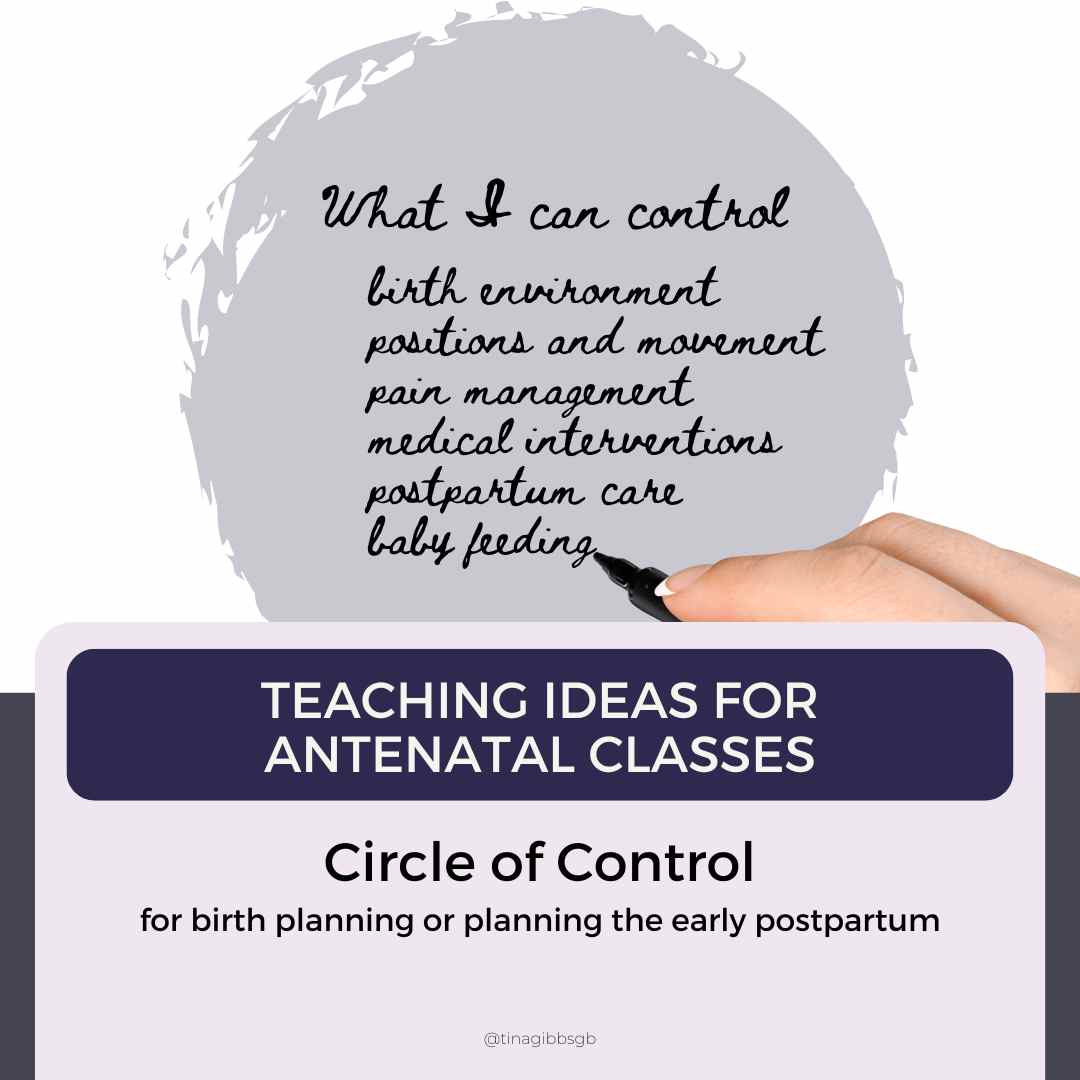
Navigating your childbirth journey: Using the Circle of Control to Write Your Birth Plan

Welcoming a new baby is a huge, empowering experience, and writing down your birth preferences (a birth plan) can help make sure your birth reflects what matters to you. It is natural to feel a mix of excitement and anxiety as your due date approaches. One helpful idea to guide you through the process is the “Circle of Control”.

Understanding the Circle of Control

The Circle of Control encourages you to focus your energy on the things you can control, rather than worrying about things you can’t. This is especially useful when writing your birth plan, because some parts of birth you can influence, and others are beyond anyone’s control.

Things within your control

  1. Birth environment: Think about the atmosphere in which you would feel most comfortable, such as lighting, music and who you would like with you. Talk about your preferences with your birth partner, doula and midwife.
  2. Positions and movement: Find out about different positions for labour and birth and how movement can help. Let your midwife know you would like the freedom to choose positions that feel right for you.
  3. Pain relief: Write down your preferences, whether that is breathing techniques, massage or water, or medical options such as gas and air or an epidural. Make sure your choices are clear to your birth team.
  4. Medical interventions: Learn about possible interventions such as induction, monitoring and assisted birth and episiotomy, and note your preferences. Discuss the benefits and risks with your midwife or doctor so you can make informed decisions.
  5. After the birth: Think about your wishes for the first hours, such as skin-to-skin contact, delayed cord clamping, how you plan to feed your baby and any other care for your newborn.

Things outside your control

  1. The unexpected: Birth is unpredictable. You can plan for many things, but circumstances can change. Try to stay open to adjustments, and include your preferences for different scenarios (for example, an induction or a caesarean) in your plan.
  2. Emergencies: Occasionally a medical emergency means plans have to change quickly. Preparing mentally for this possibility can help. Whenever there is time, use the BRAIN acronym to ask questions and make informed decisions.

Using the Circle of Control to write your birth plan is a powerful way to feel prepared and confident. By focusing on what you can influence and accepting what you can’t, you can approach birth with a sense of calm. Good communication with your birth partner, doula and healthcare team is key, and working together can help create a positive birth experience that reflects your values and preferences.

Birth workers: for more ideas on helping clients with their plans, read Teaching about Birth Preferences and Birth Plans.

Sources and further reading

  • Lothian, J. (2006) Birth plans: the good, the bad, and the future. Journal of Obstetric, Gynecologic & Neonatal Nursing, 35(2), pp. 295–303.
  • Mei, J.Y., et al. (2016) Birth plans: what matters for birth experience satisfaction. Birth, 43(2), pp. 144–150.
  • Mutongi, C. and Mazhawidza, R. Dealing with the mindset when faced with change and different situations.
  • Dr Lucy Russell: Circle of Control exercise
Posted on — Leave a comment

Navigating Stress in Pregnancy: Understanding the Sympathetic Nervous System

navigate stress in pregnancy

How can you spot the signs of stress in pregnancy, and what can you do about it? It helps to understand the sympathetic nervous system.

Pregnancy can be a beautiful, life-changing time, but it also brings its share of challenges. Stress in pregnancy is common and can be triggered by hormonal changes, physical discomfort or worries about becoming a parent. The body’s systems, including the sympathetic nervous system (SNS), play a key part in how you respond to and cope with stress.

Let’s look at the sympathetic nervous system, how it affects you in pregnancy, and why managing stress matters for both you and your baby.

Understanding the sympathetic nervous system

The nervous system has two main parts: the central nervous system (the brain and spinal cord) and the peripheral nervous system. Part of the peripheral system, the autonomic nervous system, runs automatically and has two branches: the sympathetic and the parasympathetic nervous systems, each responsible for different responses in the body.

The sympathetic nervous system is often called the “fight or flight” system. When it is activated, it prepares the body to respond to a perceived threat by releasing stress hormones such as adrenaline and cortisol. Your heart beats faster, your breathing quickens and your muscles tense. In pregnancy, emotional, physical or environmental stressors can all trigger this response. The parasympathetic nervous system does the opposite: it is the “rest and digest” system that helps your body calm down.

How stress can affect pregnancy

Short bursts of stress are a normal part of life and won’t harm your baby. However, research suggests that ongoing, severe stress during pregnancy may be linked to:

  1. Preterm birth: Some studies link high, long-term stress with a slightly higher chance of going into labour early.
  2. Low birth weight: Chronic stress has been associated with babies being born smaller, which can affect their health.
  3. Child development: Some studies suggest a link between severe stress in pregnancy and a higher risk of emotional or behavioural difficulties in children.

Signs that stress is building up can include trouble sleeping, irritability, feeling tearful or overwhelmed, headaches, a racing heart or tense muscles. If you are feeling anxious or low most of the time, please talk to your midwife or GP. Support is available.

Managing stress during pregnancy

Here are some techniques you can build into your routine:

  1. Mindfulness and relaxation: Meditation, slow breathing and guided visualisation help activate the parasympathetic nervous system, promoting relaxation and reducing stress.
  2. Regular exercise: Physical activity lifts your mood and reduces stress. Try pregnancy yoga, Pilates, walking or swimming.
  3. A support network: Friends, family and other expectant parents can make a huge difference. Antenatal classes are a great way to meet other parents due at a similar time.
  4. A healthy lifestyle: A balanced diet, plenty of water and enough rest all help your body cope with stress.

Managing stress is an important part of looking after yourself and your baby. Understanding the role of the sympathetic nervous system, and using simple stress-management strategies, can help you have a calmer, more positive pregnancy. Prioritise self-care and don’t be afraid to ask for support.

Online Birth Preparation Course only £35!

Please also check out my online course! No videos, just text and images to learn in your own time. Includes hypnobirthing mp3s, scripts, workbook, handouts, infographics and much more! Lots and lots of information at your fingertips! Includes:

  • hypnobirthing mp3s
  • hypnobirthing scripts
  • written information
  • infographics and other imagery
  • printable handouts
  • printable workbook/journal
Posted on — Leave a comment

Umbilical Cord Ties or Clamps what do you prefer?

Umbilical Cord Ties or Clamps

During birth, even small details matter, including how the umbilical cord is closed after it is cut. In recent years, more parents have become interested in using umbilical cord ties instead of the plastic clamps that hospitals have used for decades.

Whichever you choose, you may also want to think about delayed (deferred) cord clamping. NICE recommends waiting at least 1 minute before clamping the cord in most healthy babies, which allows extra blood to pass from the placenta to your baby.

Umbilical cord clamps

Cord clamps are the standard choice in most hospitals. They are usually made of plastic and seal the cord when it is cut. The clamp stays on until the stump dries and falls off naturally, usually 1 to 2 weeks after birth, although some midwives remove it after a few days once the cord has dried.

Benefits for healthcare professionals:

  1. Easy to apply: Clamps are quick and simple to put on.
  2. Standardised: Clamps offer a consistent method across different healthcare settings.
  3. Familiar: Midwives and doctors are well trained in using them, which reduces the risk of mistakes.

Benefits for parents:

  1. Peace of mind: Clamps are secure and cannot accidentally come undone.
  2. Low maintenance: They need very little care and stay in place until the cord separates.

Umbilical cord ties

Cord ties are usually made of cotton or another soft material, and they have become more popular as an alternative to clamps. Parents normally bring their own ties to the birth. If you would like to use one, talk to your midwife beforehand: check your hospital’s policy, and make sure the tie is suitable (for example, sterilised or able to be sterilised) and that your midwife is happy to tie it securely.

Benefits:

  1. Soft and light: A tie is softer and less bulky than a plastic clamp, so it is less likely to catch on clothing or nappies.
  2. Personal touch: Many parents love that ties come in different colours and designs, or can be handmade, adding a personal touch to the birth.
  3. More eco-friendly: Most cord ties are made from natural fibres such as cotton, which is biodegradable, and they avoid single-use plastic.

Conclusion: making informed choices

Choosing between a cord tie and a clamp comes down to personal preference, your hospital’s policy and any medical considerations. Both do the same job of sealing the cord, and each has its own advantages.

By making informed choices and including them in your birth preferences, you can take an active part in shaping your birth experience from the very first moments of your baby’s life.

Posted on — 1 Comment

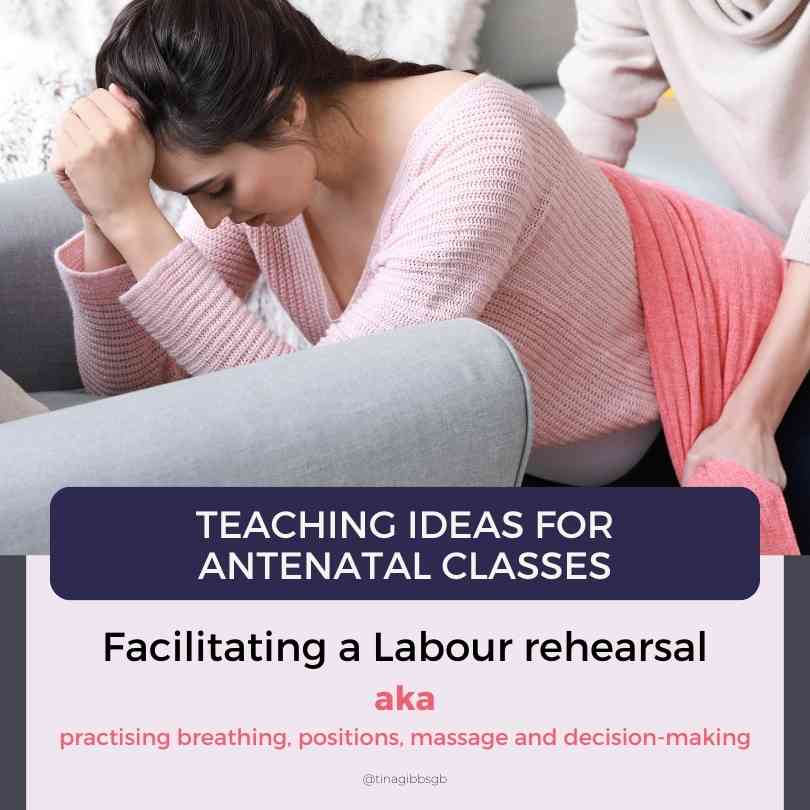
Facilitating a Labour rehearsal

Facilitating a Labour rehearsal

A labour rehearsal is a key part of antenatal education, and something every birth worker should feel ready to facilitate.

Labour rehearsals give expectant parents a hands-on way to get to know the stages of labour and different coping techniques. Running an effective rehearsal takes careful planning, empathy and a commitment to empowering parents-to-be. Here are the essential elements of a successful labour rehearsal.

1. Create a comfortable environment

A safe, welcoming atmosphere is the foundation of a good labour rehearsal. Arrange the room to encourage open conversation and participation. Make sure there is enough space to move around, and invite participants to ask questions and share their concerns.

2. Give clear information

Begin by explaining the stages of labour and birth. Talk about common medical interventions and the roles of the healthcare professionals and the birth partner. Visual aids such as posters, a labour timeline banner or a labour beadline help parents-to-be understand what is happening in the body. Knowledge is empowering, and well-informed parents are better prepared for the challenges of birth.

3. Demonstrate positions and techniques

Get everyone involved by demonstrating different positions for labour and birth, along with relaxation techniques. Encourage participants to practise with their partner or doula, and highlight the importance of communication and support. Include breathing, massage and visualisation so participants build confidence in their ability to cope with the intensity of labour.

4. Involve the birth partner

Labour rehearsals should actively involve partners, as their support is invaluable during birth. Encourage them to join in with hands-on activities such as massage, counter-pressure and emotional support. This strengthens the couple’s bond and helps create a more positive birth experience. Partners love having flashcards to use during rehearsals in class or at home, such as my childbirth massage flashcards and positions for childbirth flashcards.

5. Simulate scenarios and decision-making

Create scenarios that reflect how unpredictable labour can be: a sudden change of plan, an unexpected complication or a different birth setting. Guide participants through the decisions involved and encourage them to discuss their preferences with their midwife or doctor. This builds resilience and flexibility for the real thing. The My Birth Story dice game is a fun way to explore how labour might unfold, and the BRAIN acronym is a handy decision-making tool to practise.

6. Address emotional preparation

Birth is a profound, emotional experience. Set aside time to talk about the emotional side of labour, including fears, expectations and coping with unexpected outcomes. Create a supportive space where participants feel comfortable sharing their feelings and worries.

A good labour rehearsal combines information, practical skills and emotional support. By creating a comfortable environment, giving clear information, demonstrating techniques, involving partners, practising scenarios and addressing emotional preparation, you can help expectant parents approach birth with confidence and resilience, and lay the foundations for a smooth transition into parenthood.