Your birth trauma is real. Sadly, we live in a country (UK) where the maternity system is broken. Induction, Caesarean birth and assisted birth rates are rising, and so is the number of parents who are experiencing birth trauma.
What is Birth Trauma or postnatal PTSD?
There are four main symptoms:
- Avoiding anything or anyone that reminds you of the trauma. This could be avoiding other parents with babies, or going to or driving/walking past the place you gave birth.
- Re-experiencing the traumatic event through nightmares, flashbacks or intrusive memories which make you feel panicky or distressed.
- Feeling hypervigilant which means that you are constantly alert, jumpy and irritable. You are worried that something bad may happen to your baby.
- Feeling low and unhappy. Or maybe feeling guilty and blame yourself for your traumatic birth experience. You may also have difficulty remembering parts of your birth experience.
Not everyone who has had a traumatic experience suffers from PTSD. Whenever we experiencing a trauma, PTSD is a common response. It is involuntary, you cannot help it. It cannot be cured by “snapping out of it” or “focusing on the positive”.
Maybe you are reading this because your birth trauma is preventing you (and/or your partner) from trying for another baby? Or are you reading this because some people tell you to “snap out of it”? Or maybe, you cannot sleep or feel you cannot love your baby because of your traumatic birth experience?
You are not alone! Your birth trauma is real. Research shows that about 4-5% of women/parents who give birth develop PTSD. Fathers and partners can develop PTSD as a result of witnessing a traumatic birth, too.
How can you help yourself and others to overcome birth trauma?
Have a look at the Birth Trauma Association (BTA) there are many examples on where and how to get help, including their support group or getting psychological help. Talk to professionals such as
- Your GP
- Your midwife
- Your health visitor
- A counsellor
Or talk to non-professionals such as
- Family and friends
- Email one of our volunteer supporters at support@birthtraumaassociation.org.uk
- Chat to other women on the web boards used by BTA members
There may be families in your area who have experienced birth trauma, too and are happy to talk to you about your and their experience. The BTA has a forum where you can ask for local volunteers or peers.
Another wonderfully supportive option is Sheryl aka The Healing Birth Doula. If you are lucky enough to be local to her, then you can access her in-person support and learning. However, she also offers online learning including an online course.
Pregnant again after birth trauma?
If you are here because you are pregnant again after experiencing birth trauma, here are some suggestions on how to help you enjoy your pregnancy and start to look forward to the birth of your baby.
Although there is no “quick fix” for you there are plenty of options. It is important that you talk to someone. Maybe a doula or hypnobirthing practitioner would be the most helpful. They can work with you on what happened during your previous birth, help you get closure to be then ready to move on and plan this new birth experience.
To access a practitioners who is trained in the 3-step-rewind technique can also help you heal.
In short,
- work through previous birth (3-step-rewind technique)
- acknowledge it is in the past
- find closure for the previuos birth
- acknowledge this is a completely new baby and new experience
- start writing down your birth preferences and what if ideas
- start to look forward to your new birth experience
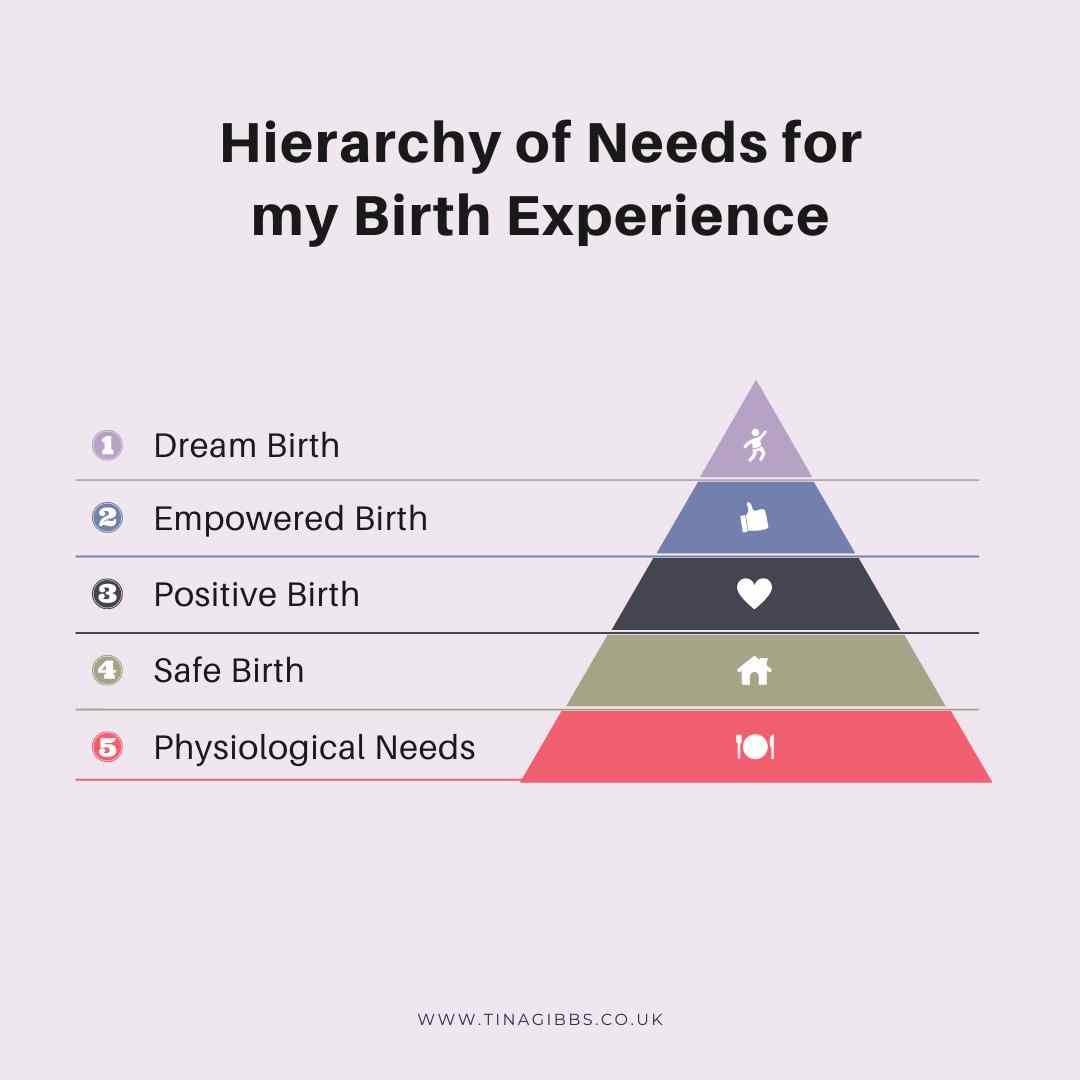
Your steps towards an empowered or dream birth experience are shown in the image below.

My online course to help you prepare for the birth of your baby!
Please also check out my online course! No videos, just text and images to learn in your own time. Includes hypnobirthing mp3s, scripts, workbook, handouts, infographics and much more! Lots and lots of information at your fingertips! Includes:
- hypnobirthing mp3s
- hypnobirthing scripts
- written information
- infographics and other imagery
- printable handouts
- printable workbook/journal

