Posted on Leave a comment

What are antenatal classes?

antenatal classes nottinghamshire

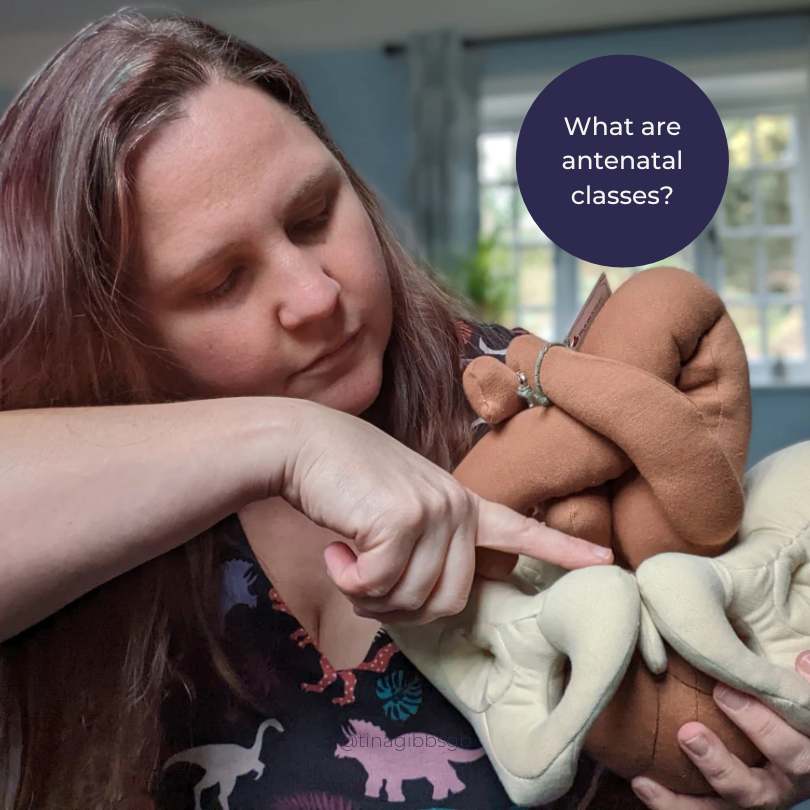
Antenatal classes are educational sessions designed to prepare expectant parents for childbirth and early parenthood. These classes provide valuable information and practical skills to help parents navigate this transformative journey with confidence. While the format and content of antenatal classes may vary, they typically cover topics such as pregnancy health, labour and birth, pain management techniques, self-help techniques, breastfeeding, infant feeding, newborn care, newborn sleep, postnatal/postpartum recovery, postnatal/postpartum depression and postpartum support.

Who goes to an antenatal class?

It is recommended for both parents to attend antenatal classes whenever possible. This allows both partners to gain a comprehensive understanding of the childbirth process and actively participate in decision-making. Attending these classes together can also strengthen the bond between parents, as they learn and share experiences, concerns, and expectations together.

However, while antenatal classes are usually attended by couples or expectant mothers and their birth partners, they can certainly benefit lone parents as well.

Are antenatal classes suitable for lone parents or single parents?

Being a lone parent during pregnancy and childbirth can bring unique challenges and concerns. Antenatal classes can provide a nurturing and supportive environment for lone parents, offering them a chance to connect with other expectant parents and gain essential knowledge and resources. These classes can help lone parents build confidence, develop practical skills, and establish a support network.

Lone parents can learn valuable techniques to manage the physical and emotional demands of childbirth, as well as techniques to promote bonding and create a positive environment for their soon-to-arrive little one.

Furthermore, antenatal classes often cover newborn care, including topics like breastfeeding, nappy changing, bathing, and soothing techniques. For lone parents who may not have immediate family or partners to rely on for support, these classes can be particularly beneficial in equipping them with the knowledge and skills needed to care for their newborn.

It’s worth noting that these educational classes not only provide practical information but also serve as a platform for expectant parents to share their experiences, concerns, and questions. For lone parents, these classes can be a safe space to connect with others who may be facing similar circumstances, fostering a sense of community and reducing feelings of isolation.

In conclusion, antenatal classes can be incredibly valuable for lone parents, offering them education, support, and a network of peers who can empathize with their unique journey into parenthood. Participating in these classes can empower lone parents, helping them feel more prepared and confident as they embark on this exciting new chapter in their lives.

Who provides antenatal classes?

One popular provider is the National Childbirth Trust (NCT). Some NHS trusts and children’s centers also offer classes and your local doulas will be able to help you prepare for the birth of your baby!

Who is Tina Gibbs?

I am an NCT-trained antenatal teacher and now offer antenatal classes in a group or 1:1 setting, in my home, yours or online. My antenatal courses that aim to inform, empower, and connect parents with each other and their baby/babies. I am an experienced antenatal teacher and have supported 1000s of expectant and new parents. While there is a cost associated with my antenatal classes, many parents find the investment worthwhile as they receive evidence-based information, access to a supportive network, and the opportunity to build friendships with other soon-to-be parents.

Book classes or workshops with Tina Gibbs here or contact me to arrange your private group or 1:1 classes.

Are antenatal classes worth it?

Attending antenatal classes, whether through the NCT or other providers, can provide numerous benefits for expectant parents. These classes not only offer valuable knowledge and practical skills but also help alleviate anxiety, increase confidence, and provide a supportive community during this special time. It’s worth considering if you’re seeking comprehensive preparation for the journey ahead.

Please also check out my online course! No videos, just text and images to learn in your own time. Includes hypnobirthing mp3s, scripts, workbook, handouts, infographics and much more! Lots and lots of information at your fingertips! Includes:

  • hypnobirthing mp3s
  • hypnobirthing scripts
  • written information
  • infographics and other imagery
  • printable handouts
  • printable workbook/journal

Posted on 2 Comments

Your Birth Plan


Your birth plan or better birth preferences can be an important part of your journey into parenthood.

You may have heard people talking about their birth plan going out of the window or saying it is not worth writing one… In my opinion, as a doula and mother of 4, it is worth thinking about your birth preferences (rather than “plan”). You may or may not wish to put them in writing, that’s up to you. However, sharing and discussing your preferences, personal thoughts and feelings about the birth with your birth partner(s) is important.

positive birth affirmations
Information is power – write down your birth preferences!

You can go all out and make it very detailed, of course, but the more details you choose the less realistic your expectations may become. So, let’s focus on your main 4-5 preferences for the birth. Things that you are likely be able to control.

You may wish to consider:

  • Your birth place – where do you wish to give birth
  • The birth environment
    • who will be there (birth partner(s), doula, …)
    • what (home) comforts would you like to be there (music, blanket, cushion…)
    • what is the lighting going to be like?
    • is there music?
  • Birth Method
    • vaginal
    • caesarean
    • induction
    • in water
    • out of water
  • Your religion/beliefs/traditions
  • Your medical history and your individual options
  • Mention your medical pain relief preferences
    • don’t want any or
    • let me know when I can have the epidural or
    • I would like x but avoid y
  • You are allowed to decline all/any vaginal examinations at any point as well as any other form of physical touch. You can change your mind at any point. However, most women are happy to vaginal examinations, and consenting to them may help your midwife do their job.

The NHS website has a very detailed birth plan template, which you may wish to use to check that you’ve considered all your different options. However, you may not wish to use it as your actual birth preferences.

Think about it in a chronological order:

  • Early labour / at home
  • active labour / on the way to the hospital / while waiting for the midwives to arrive
  • established labour / at the birth place under midwifery care
    • transition
  • second stage / pushing
  • third stage / the placenta
    • the golden hour with your baby

If there are any of your preferences which don’t align with your health care provider’s recommendations, negotiate before the day, not on the day. In addition to that, it may be helpful to have a doula to help with your birth preferences and to ensure you have good evidence-based information. I offer private online or local in-person birth planning sessions.

Please also check out my online course! No videos, just text and images to learn in your own time. Includes hypnobirthing mp3s, scripts, workbook, handouts, infographics and much more! Lots and lots of information at your fingertips! Includes:

  • hypnobirthing mp3s
  • hypnobirthing scripts
  • written information
  • infographics and other imagery
  • printable handouts
  • printable workbook/journal

Some sources for good evidence-based information:

Posted on 5 Comments

What to pack in my hospital bag for childbirth?

Hospital Bag for Childbirth Homebirth Bag

Top tips on how when and what to pack in your hospital bag for childbirth.

You can pack your birth bag whenever you like but ideally would like to have it ready at least 3 weeks before your due date.

If you have a birth partner, get them involved in packing the hospital bag. That way they know where things are for the birth!

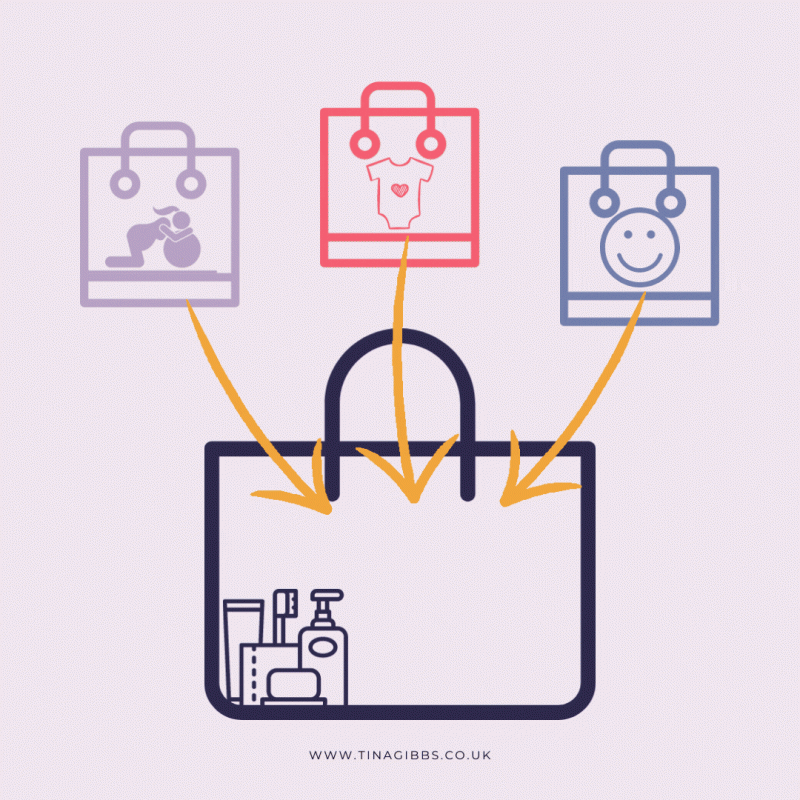
Use one large bag as your hospital bag which will contain your ‘overnight stuff’. Then pack three smaller bags to fit into you large hospital bag for childbirth!

Hospital Bag for Childbirth Hombirth Bag
Top Tip for your Hospital Bag: Pack Smaller bags into one larger bag or suitcase!

Bag for mum/birthing person

  • Your birth plan and maternity notes
  • Comfy, lose-fit dressing gown
  • Nighties  (ideally ones that opens at the front for breastfeeding access)
  • Comfy loose clothes – big baggy jogging bottoms, zip-up hoodie, tops that undo down the front for skin-to-skin/feeding
  • Slippers that you can slide your feet into rather than pulling on – if you have a Caesarean Birth bending over is tricky.
  • Socks – often women get cold feet during labour
  • Slip-on shoes
  • Flip-flops to wear in the shower
  • Hand Sanitiser
  • Wash bag including shower gel with a hook, so you don’t have to bend over in the shower, hand cream as constant hand gel use makes hands very sore,
  • lip balm as air is dry
  • Packs of waisted Bridget Jones massive cotton knickers in case you have a Caesarean Birth – dark colours are best and a couple of sizes up from your usual
  • Arnica and/or witch hazel for piles and bruising relief
  • Maternity pads packs
  • Nursing bras
  • Large pack Breast pads in case of boob leakage or washable ones
  • Pillow and/or pillowcase from home
  • Towel – hospital ones are scratchy
  • Eye mask (it’s never dark!)
  • Face mask (if you’d like your washable ones)
  • Earplugs (it’s never quiet!)
  • Hairbands
  • Headphones
  • Phone with labour playlist downloaded (you’re usually allowed to take your phone into theatre and can play music via Bluetooth)
  • Small tripod to prop up your phone/camera
  • Phone charger
  • Phone Power Bank
  • Snacks. If having a Caesarean Birth maybe apricots/prunes to ease constipation – you may not have a bowel movement for several days, and it can be a strain
  • Peppermint Tea Bags. In the case of a Caesarean Birth, it helps to get rid of wind caused by the operation.
  • Sports drink
  • Books/magazines/puzzles – in case you have to stay in hospital beforehand, or after.
  • Tissues for all the crying
  • Photo of your partner for times when they cannot be with you or maybe something that they have given you i.e. love notes
  • Photo of older children
  • Photo of you pet(s)

Bag for baby

  • Muslins 
  • Nappies – newborn size 1 fits most babies – newborns go through approx 12 nappies a day
  • Cotton wool pads/balls
  • Baby clothes – at least vests,  sleepsuits/babygrows,  jumpers/cardigans, hat  including a going home outfit
  • Baby blankets  (cotton or cellular or wool)

Bag for partner

  • Change of clothes
  • Snacks
  • Phone & Chargers or power bank
  • Change for vending machines (shops may not be open for as long) and car park
  • Phone list (if you’d like to tell people right away)
  • Car seat to take your baby home. Practice putting in/out car beforehand!
  • Maybe keep a book/magazine in the car in case you have to wait in the car until after mother’s initial assessment (This is a ‘new’ thing which started during the COVID-19 pandemic. Not all hospital trusts will still operate that way. Ask your midwife/trust to check).

I hope this list is useful for some of you and please if you have anything to add or adapt contact me and I’ll add it to the list!