
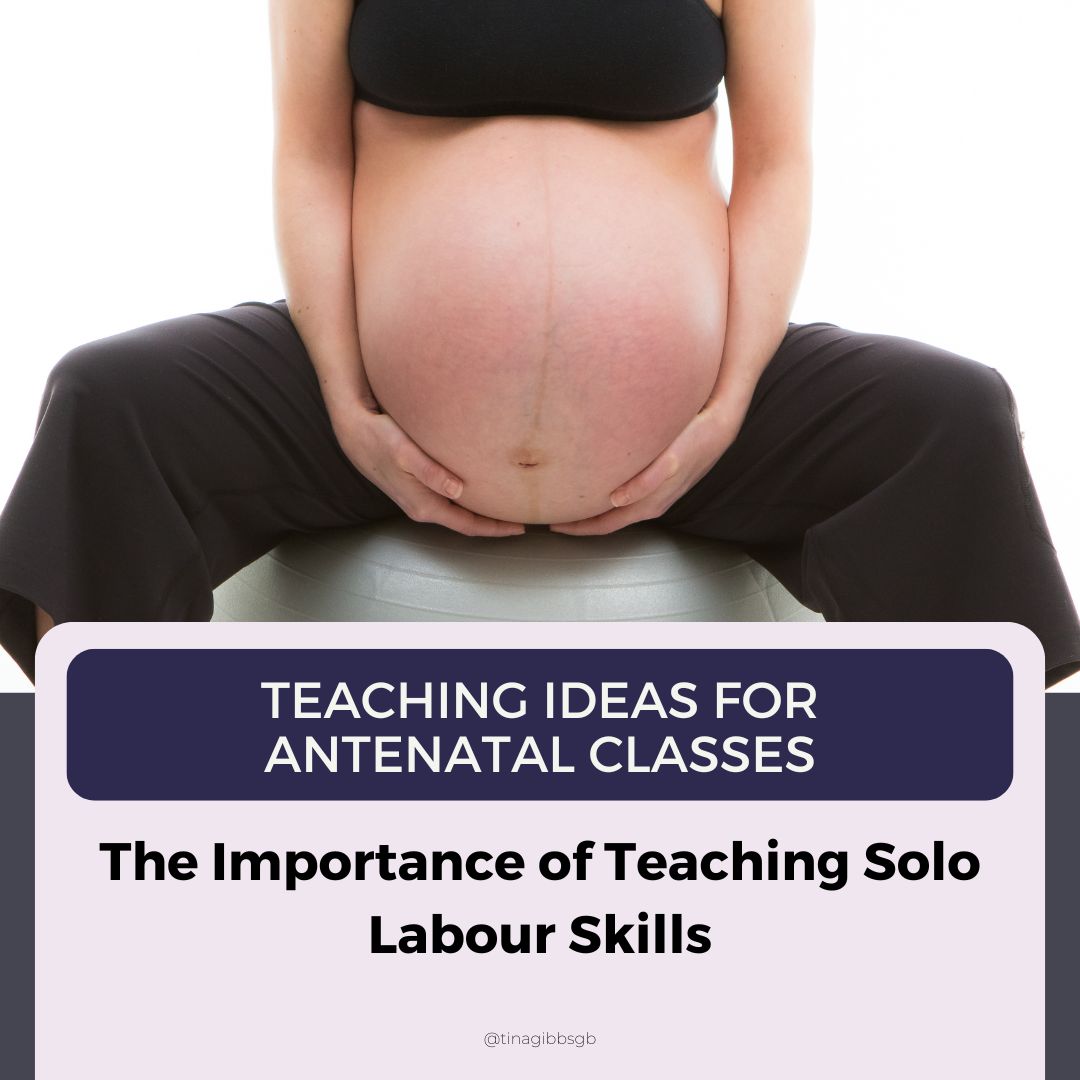
As antenatal teachers, hypnobirthing instructors, doulas, and childbirth educators, we play a crucial role in preparing expectant parents for one of the most significant experiences of their lives. While much of our focus is on partnership and support during labour, it is equally important to equip pregnant women and people with the skills to cope with labour on their own. Whether due to the absence of a partner, unexpected illness, or logistical challenges, there are various reasons why a birthing person may find themselves alone during labour. Here’s why teaching these skills is essential and how it can empower those we support.
The Reality of Solo Labour
While many envision labour surrounded by supportive partners, family, or friends, the reality can sometimes differ. A birthing person might be alone due to:
- No Partner: Single parents by choice or circumstance may not have a partner to accompany them.
- Illness: A partner’s sudden illness or other health issues can prevent them from being present.
- Logistical Challenges: Work commitments, travel restrictions, or unforeseen emergencies can lead to a partner’s absence.
- Personal Choice: Some may prefer to labour alone for personal or cultural reasons.
Recognising these scenarios, it becomes clear why teaching solo labour skills is not just an option but a necessity.
The Rationale for Teaching Solo Labour Coping Skills
- Empowerment and Confidence:
- Knowing they can handle labour on their own empowers expectant parents. It builds confidence, reducing anxiety and fear associated with the birthing process.
- Self-reliance instils a sense of control and capability, which can significantly enhance the birthing experience.
- Practical Preparedness:
- Solo labour skills include practical techniques such as breathing exercises, visualisation, and self-massage. These methods help manage pain and maintain calm.
- Educating about the hospital environment, including how to communicate effectively with medical staff, ensures they are better prepared for any situation.
- Emotional Resilience:
- Labour can be an intense emotional journey. Equipping birthing individuals with tools to maintain emotional balance, such as affirmations and mindfulness, is crucial.
- Encouraging a positive mindset and resilience helps them cope with unexpected challenges and changes in their birth plan.
- Reducing Dependence:
- While support is invaluable, over-reliance on others can lead to increased stress if things don’t go as planned. Teaching solo skills reduces this dependence, fostering self-sufficiency.
- It also helps in situations where professional support like a doula or midwife may not be available at all times.
Practical Steps to Teach Solo Labour Skills
- Include it in your antenatal classes:
- Dedicate a session, or part of one, to solo labour techniques. Use role-play scenarios so parents can practise these skills.
- Highlight the importance of mental preparation and teach strategies such as hypnobirthing scripts adapted for solo use.
- Provide resources:
- Share handouts or digital resources covering solo coping strategies, relaxation techniques and comfort measures. Visual prompts such as positions for childbirth flashcards are easy to use alone.
- Recommend apps or audio tracks with guided relaxations and affirmations for labour.
- Give clients audio recordings they can listen to during pregnancy and in labour.
- Simulate real situations:
- Use simulations to help expectant parents experience different scenarios, including being on their own during labour. This can demystify the process and build confidence.
- Encourage questions and discussion about fears and concerns around labouring alone.
- Support networks:
- Encourage parents to build a wider support network beyond their partner. Friends, family and community resources can be invaluable.
- Talk about virtual support, such as video calls, if someone can’t be there in person.
- Discuss the option of hiring a doula for extra support during pregnancy, birth and the early postnatal days.
Conclusion
Preparing expectant parents for the possibility of solo labour is not about fostering fear but about empowering them with confidence and practical skills. By teaching these vital techniques, we ensure that every birthing person feels capable, prepared, and supported, no matter the circumstances. As childbirth educators, let’s continue to expand our teachings to embrace all scenarios, promoting resilience and self-reliance in the beautiful journey of bringing new life into the world.