Posted on Leave a comment

Pelvic Floor exercises for labour and birth

pelvic floor exercises for labour and birth

Pelvic Floor exercises for labour and birth. Being pregnant and birthing your baby can affect your pelvic floor muscles. When your pelvic floor muscles are weak, you may find that you leak urine when you sneeze or cough. This is quite common and no need to be embarrassed. To strengthen your pelvic floor muscles during and beyond pregnancy and birth you can do some exercises.

Here’s how:

  • Start by placing one hand on top of your pump and the other one on one of your shoulders. Breathe comfortably for 4-5 breaths.
  • As soon as your breathing is relaxed, you should feel that the hand on your bump moves up and down more than the one on your shoulder. If you cannot feel this, try to stop your shoulders from moving and let your bump rise and fall naturally. Alternatively, listen to the quick relaxation provided in the next section to achieve relaxed breathing.
  • Now, as you breathe out, gently pull up your front and back pelvic floor muscles (as if you were stopping yourself from going to the toilet). Don’t hold your breath, keep breathing. Gently squeeze as you breathe in and relax the pelvic floor muscles as you breathe out. Repeat 4-5 times.
  • Then try to hold the contraction (squeeze) for a few seconds while breathing normally.
  • Your lower abdominal (belly) muscles may tighten, that’s fine. If you feel your upper abdominal muscles (above your belly button), you’re trying too hard! In that case, repeat the relaxed breathing exercise from the beginning.

Aim to be able to hold your pelvic floor muscle contraction for 10 seconds while breathing normally. If you find yourself holding your breath, start from the beginning again. It takes practice.

The NHS recommends 3 sets of 8 squeezes daily.

Practice makes progress!

TOP TIPS

If you struggle to remember to do your pelvic floor exercises try to make them part of your daily routine, and create a habit. For example:

  1. every time you go to the toilet do your pelvic floor exercises after you are finished on the toilet…
  2. every time you are waiting for the kettle to boil…
  3. Use notes with the word ‘squeeze’ and pop them on your kettle, fridge door, mirror…
  4. Use an app that reminds you. There are a few free and paid ones out there. The NHS recommends ‘squeezy’, which is currently £2.99 (as per August 2022).

Pelvic tilts for pregnancy

A useful exercise when you experience backache but can also aid your comfort during the early stages of labour.

You can do pelvic tilts while you sit or you can be on your hands or knees. If you experience discomfort in your wrists or shoulders when on your hands and knees, try leaning over a birth ball, bean bag or chair with a cushion.

Pelvic tilts help to strengthen your abdominal muscles which in return eases back pain. In addition, these exercises can help your baby get in a more optimal position for birth. Strong abdominal muscles can also help reduce back pain after birth.

How to:

On your hands and knees or leaning over a ball

  • Have your arms shoulder-width apart and your knees in line with your hip-width. Keep your arms straight but don’t lock your elbows.
  • arch your back as much as you can, so that your coccyx (tailbone) is tucked in underneath you. Hold for a few seconds. Then arch your back the opposite way so that your coccyx is sticking out. Hold for a few seconds. Repeat slowly and smoothly. Find your own rhythm and pace.

Sitting (on a birth ball)

  • Sit comfortably with your feet on the ground and your legs hip-width apart. Have your arms hang to the side of your body.
  • Slump down and then arch your back.
Posted on Leave a comment

10 Eco-Parenting Tips for Raising Earth-Conscious Kids

10 eco-parenting tips

In a world where environmental concerns are becoming increasingly urgent, eco-conscious parenting is more important than ever. As stewards of the planet, parents play a pivotal role in shaping the values and habits of the next generation. Here are 10 eco-parenting tips to help you raise environmentally aware and responsible children.

  1. Lead by Example: Children learn by observing their parents. Demonstrate eco-friendly practices in your daily life, such as recycling, reducing waste, and conserving energy. Your actions will leave a lasting impression on your children and inspire them to follow suit.
  2. Explore Nature Together: Foster a love for the environment by spending time outdoors with your children. Whether it’s a hike in the woods, a day at the beach, or a camping trip, these experiences create a connection to nature and instill a sense of responsibility for its well-being.
  3. Teach the Three Rs: Educate your children about the importance of reducing, reusing, and recycling. Encourage them to be mindful of their consumption by choosing reusable products, avoiding single-use plastics, and repurposing items when possible.
  4. Grow Your Own Food: Cultivate a small garden at home and involve your children in the process. Growing your own fruits, vegetables, and herbs not only reduces your carbon footprint but also teaches kids about the origins of their food and the importance of sustainable agriculture.
  5. Conscious Consumerism: Teach your children about the impact of their purchasing decisions. Encourage them to choose eco-friendly products, support sustainable brands, and understand the value of quality over quantity. Use reusable nappies where you can. By making conscious choices, they can contribute to a more sustainable future.
  6. Energy Conservation: Instill good energy-saving habits in your children from an early age. Turn off lights and electronic devices when not in use, unplug chargers, and consider implementing energy-efficient appliances. Explain the environmental benefits of these practices to help them understand the importance of conservation.
  7. Waste-Free Lunches: Make eco-friendly choices when packing lunches for school. Opt for reusable containers and water bottles, and minimize single-use packaging. Teach your children about the impact of plastic waste on the environment and the benefits of a waste-free lunch.
  8. Embrace Secondhand: Encourage your children to appreciate secondhand items. Whether it’s clothing, toys, reusable nappies or books, buying used reduces the demand for new production and minimizes the environmental impact. Thrifting can also be a fun and sustainable family activity.
  9. Water Conservation: Teach your children about the importance of conserving water. Encourage shorter showers, turning off the tap while brushing teeth, and fixing leaks promptly. Explain how water scarcity affects both the environment and communities around the world.
  10. Environmental Education: Stay informed about environmental issues and share age-appropriate information with your children. Discuss topics such as climate change, deforestation, and pollution, and emphasize the role they can play in making positive changes. Encourage critical thinking and empower them to be advocates for the planet.

Eco-parenting is a journey of fostering awareness, instilling values, and inspiring action. By incorporating these 10 eco-parenting tips into your family’s lifestyle, you are not only contributing to a healthier planet but also raising children who are compassionate, responsible stewards of the environment. Together, we can create a brighter and more sustainable future for generations to come.

Online Birth Preparation Course only £35!

Please also check out my online course! No videos, just text and images to learn in your own time. Includes hypnobirthing mp3s, scripts, workbook, handouts, infographics and much more! Lots and lots of information at your fingertips! Includes:

  • hypnobirthing mp3s
  • hypnobirthing scripts
  • written information
  • infographics and other imagery
  • printable handouts
  • printable workbook/journal
Posted on Leave a comment

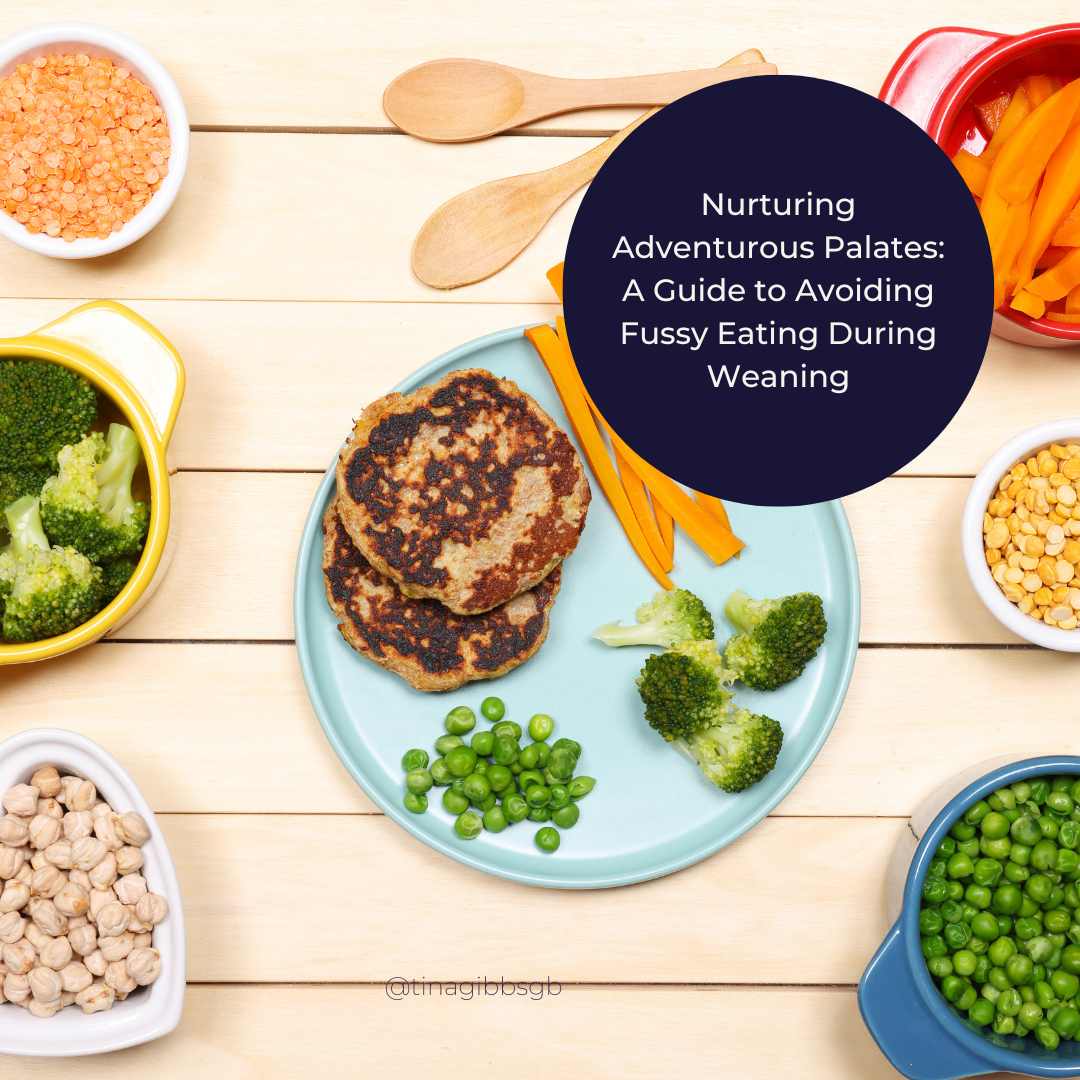
Nurturing Adventurous Palates: A Guide to Avoiding Fussy Eating During Weaning

Avoiding Fussy Eating During Weaning


Avoiding Fussy Eating During Weaning. Embarking on the journey of introducing solids to your baby is an exciting milestone, but it can also be a challenging one, especially if you’re concerned about the possibility of raising a fussy eater. The good news is that with a thoughtful approach and some key strategies, you can lay the foundation for a lifetime of healthy eating habits. In this blog post, we’ll explore tips and advice on how to avoid creating a fussy eater during the weaning process, drawing insights from reputable sources such as the First Steps Nutrition Trust and NHS UK.

  1. Early Exposure to Variety

Research consistently shows that early exposure to a variety of flavours can positively impact a child’s acceptance of different foods. The First Steps Nutrition Trust emphasizes the importance of introducing a wide range of tastes, textures, and food groups during the weaning period.

  1. Consistent Routine

Establishing a consistent routine for meals and snacks can help create a sense of predictability for your baby. According to NHS UK, having regular mealtimes promotes a structured approach to eating. Avoiding distractions, such as television or electronic devices, during meals can also contribute to a positive eating environment.

  1. Lead by Example

Children often mimic the eating behaviors of those around them. Set a positive example by enjoying a diverse and balanced diet yourself. Eat while your baby/toddler eats. Let them see you eat. Family meals can be a great opportunity to showcase a variety of foods and make eating a social, enjoyable experience.

  1. Patience and Persistence

It’s normal for babies to initially reject some foods. First Steps Nutrition Trust advises parents to be patient and persistent, offering the same food multiple times in different ways. Repetition is key, and research indicates that it can take up to 15 tries for a baby to accept a new food.

  1. Avoiding Pressure and Power Struggles

Pressuring a child to eat or using food as a reward can contribute to fussy eating habits. NHS UK recommends avoiding power struggles and letting your baby decide how much to eat. Trust their appetite and respect their signals of fullness.

  1. Gradual Texture Progression

Introduce textures gradually, moving from soft finger foods (baton shapes are best at 6 months of age) to gradually harder finger foods and smaller pieces. This progression helps develop oral motor skills and encourages exploration. First Steps Nutrition Trust emphasizes the importance of incorporating a variety of textures to enhance sensory experiences.

  1. Be Mindful of Portion Sizes

Understanding appropriate portion sizes for your baby’s age and developmental stage is crucial. NHS UK provides guidelines on portion sizes for different age groups, helping you ensure that your baby receives the right amount of nutrients without overwhelming them.

Remember, your baby’s main nutrition still comes from their milk (breastmilk or formula or a combination).

While introducing solid foods is an exciting milestone, it is important to remember that their primary source of nutrition will still come from breastmilk or formula. These provide essential vitamins, minerals, and antibodies (breastmilk only) that support your baby’s growth and development.

Breastmilk is often referred to as “liquid gold” for its numerous benefits. It not only provides the perfect balance of nutrients for your baby, but it also contains antibodies that help fight off infections and boost their immune system. Breastfeeding also promotes a strong bond between you and your baby.

Alternatively, if you are using formula, rest assured that it is designed to meet your baby’s nutritional needs. Formula provides the necessary nutrients for their growth and development, and it is an excellent substitute for breastmilk if you are unable to breastfeed or choose not to.

It is important to remember that solid foods from the age of six months should complement, not replace, their milk intake.

Your baby will adjust their milk intake automatically as they start eating more solid foods.

By incorporating these tips and strategies into your weaning journey, you can set the stage for a positive relationship between your child and food. These can help with avoiding fussy eating during weaning. Remember that every baby is unique, and it’s essential to be flexible and responsive to their cues. Drawing on the advice from trusted sources like the First Steps Nutrition Trust and NHS UK can provide valuable guidance as you navigate the exciting and sometimes challenging world of introducing solids to your little one.

Posted on Leave a comment

Aims and Learning Outcomes for antenatal education

Aims and Learning Outcomes for antenatal education

Why do I need Aims and Learning Outcomes for antenatal education? The inclusion of Aims and Learning Outcomes in your teaching activities and course planning serves several important purposes. Let’s explore why they are necessary:

  1. Providing clarity and focus: Aims and Learning Outcomes for your antenatal education sessions help you define the purpose and direction of your teaching activities. Aims express the general concept or intention of your course, workshop or activity, while Learning Outcomes articulate the specific knowledge, skills, or attitudes that learners should acquire. By having clear aims and outcomes, you can ensure that your teaching is focused and aligned with your overall goals.
  2. Guiding instructional design: Aims and Learning Outcomes act as a roadmap for designing effective learning experiences and activities. They help you determine what content to cover, what activities to engage students in, and what assessments to use to measure their progress. When instructional design is guided by clear aims and outcomes, it becomes easier to create meaningful and engaging learning experiences for your clients.
  3. Communicating expectations: Aims and Learning Outcomes communicate to your clients what they can expect to achieve by the end of your course or activity. When learners know what is expected of them, it helps them stay motivated and focused on their learning journey. Clear and well-defined outcomes also make it easier for students to evaluate their own progress and identify areas for improvement.
  4. Assessment and evaluation: Aims and Learning Outcomes play a crucial role in the assessment and evaluation of client learning. By aligning assessments with the stated outcomes, you can ensure that you are effectively measuring what students have achieved. This allows you to provide constructive feedback and make informed decisions about their progress. Aims and outcomes also help you evaluate the effectiveness of your teaching methods and make necessary adjustments.
  5. Enhancing student engagement: When students understand the aims and outcomes of a course or activity, they are more likely to be engaged and motivated. Clear outcomes provide a sense of purpose and direction, helping students see the relevance of what they are learning and how it connects to their goals. This can contribute to a more positive and meaningful learning experience for your students.

Overall, Aims and Learning Outcomes are essential components of effective teaching and course planning. They provide clarity, focus, and accountability, guiding both you as the instructor and your students towards successful learning outcomes. Ensure that your aims and outcomes are well-defined, measurable, and realistic to maximize the impact on student learning.

Some Examples of Course/Workshop Aims:

  • To help parents understand their childbirth options and aid their informed decision making
  • To enhance the bond between parent(s) and their unborn baby
  • To decrease stress and improve mental well-being for parents
  • To strengthen the relationship between couples
  • To create a support network for parents

Some Examples of learning outcomes:

By the end of this session/activity, participants will be able to:

  • Describe the normal process of labour and show comfortable positions for relieving contractions
  • Use breathing techniques to manage labour and everyday stress
  • Recognize the abilities of their baby at each stage of their pregnancy
  • Collaborate with their partner (where applicable) to plan how to divide household and baby care responsibilities during the first few weeks of their baby’s life
  • Memorize the names of all the other parents in the group

Some further reading: