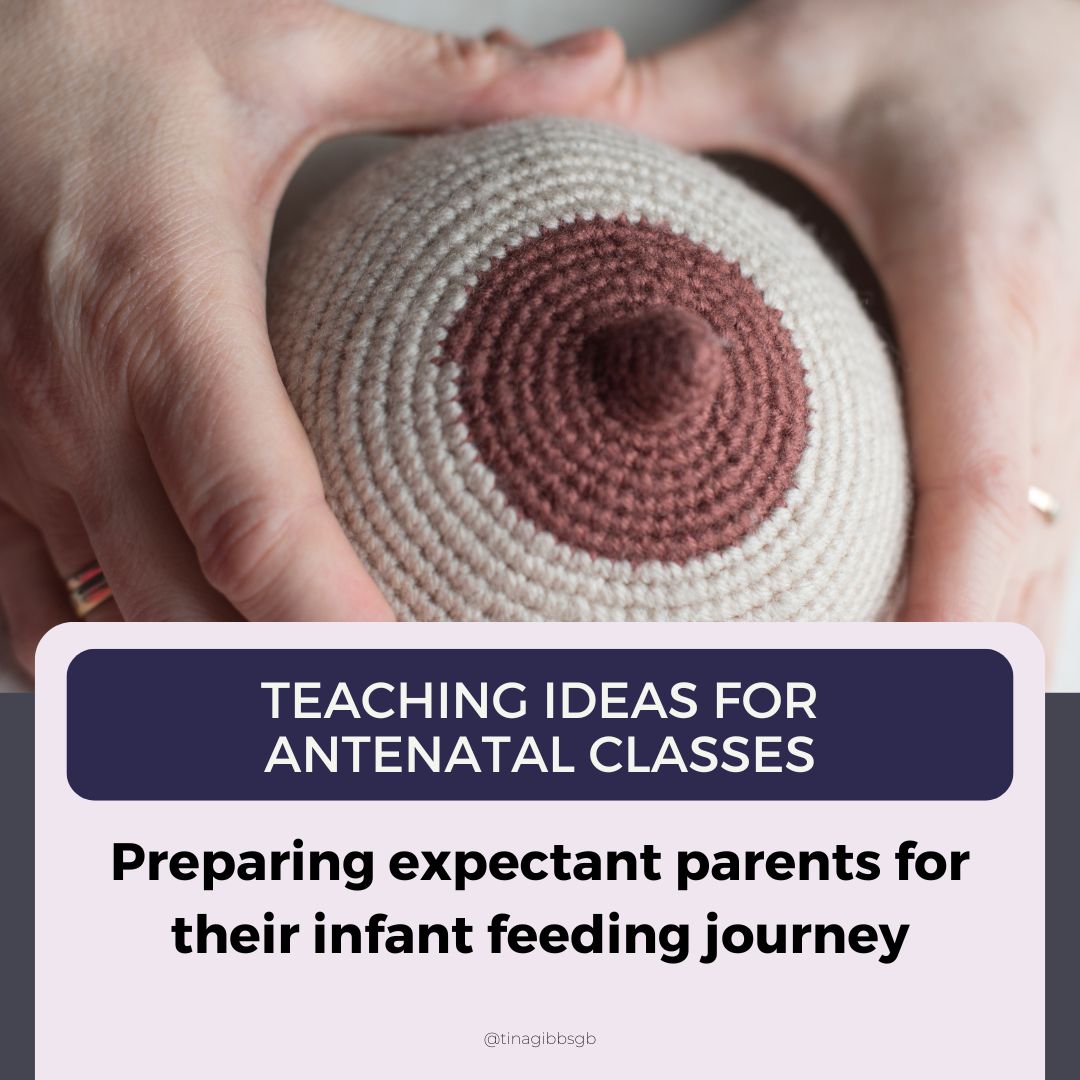
As birth workers, doulas, and infant feeding supporters, you play a crucial role in preparing expectant parents for the journey of feeding their infants. Empowering parents with the knowledge and confidence they need can make a significant difference in their experience and the health of their baby. This guide will provide you with evidence-based information, practical teaching activities, and essential signs to look for to ensure feeding is going well or when additional support may be needed.
Teaching Activities for Expectant Parents
- Interactive Workshops: Organise hands-on sessions where parents can learn about different feeding positions, latch techniques, and the use of breastfeeding aids. Use lifelike dolls and breastfeeding pillows to simulate real-life scenarios.
- Visual Aids and Handouts: Provide clear, visual guides showing the anatomy of breastfeeding, how milk production works, and common feeding cues. Resources from the NHS, First Steps Nutrition Trust and UNICEF can be very helpful.
- Role-Playing Scenarios: Conduct role-playing exercises where parents can practice responding to different feeding situations, such as a baby who is fussy at the breast or a mother experiencing engorgement. This can help build their confidence in handling real-life challenges.
- Q&A Sessions: Create a safe space for parents to ask questions and discuss their concerns. Address common myths and misconceptions about infant feeding to ensure they have accurate information.
- Infant feeding resources for birth workers: Browse all my infant feeding activities, posters and tools here: https://tinagibbs.co.uk/product-category/infant-feeding/
Signs That Feeding is Going Well
For Breastfeeding:
- Effective Latch: The baby’s mouth should cover a large portion of the areola, not just the nipple. You should hear rhythmic sucking and swallowing sounds.
- Weight Gain: The baby should start gaining weight after the initial post-birth weight loss, typically regaining birth weight by about two weeks.
- Regular Wet and Dirty Nappies: Expect at least six wet nappies and three or more dirty nappies per day after the first few days. Also see my “Your Baby’s Stool” Guide.
- Contentment After Feeds: The baby should seem satisfied and content after feeding sessions.
For Bottle Feeding:
- Steady Feeding: The baby should suck steadily and swallow regularly without gulping or choking. Use responsive and paced bottle feeding following baby’s cues.
- Contentment: Similar to breastfeeding, the baby should appear content and satisfied after feeding.
- Weight Gain and Output: The baby should gain weight consistently and produce an appropriate number of wet and dirty nappies.
Signs That Feeding May Not Be Going Well
For Breastfeeding:
- Poor Latch: Signs of a poor latch include nipple pain, clicking sounds, or the baby slipping off the breast frequently.
- Insufficient Weight Gain: If the baby is not regaining birth weight by two weeks or is not gaining weight steadily.
- Fewer Wet and Dirty Nappies: Fewer than six wet nappies or less frequent dirty nappies can indicate inadequate milk intake.
- Persistent Fussiness: If the baby is constantly fussy and seems unsatisfied after feeds.
For Bottle Feeding:
- Frequent Gulping or Choking: This could indicate that the flow of milk is too fast or the baby is having trouble feeding.
- Poor Weight Gain: If the baby is not gaining weight as expected.
- Irritability or Discomfort: If the baby seems uncomfortable or has excessive gas, this might be a sign of feeding issues.
Sources and Places of Support
- UNICEF UK Baby Friendly Initiative: Provides comprehensive resources and support for breastfeeding and infant feeding practices. Their guidelines are based on extensive research and evidence. Visit UNICEF Baby Friendly
- NHS Choices: The NHS website offers detailed information on breastfeeding, bottle feeding, and common feeding challenges. It is a reliable resource for parents and professionals alike. Visit NHS Choices
- First Steps Nutrition Trust: This organisation offers valuable resources on infant nutrition, including guides on feeding and weaning. Their evidence-based information is crucial for supporting parents in making informed feeding choices. Visit First Steps Nutrition Trust
- The Breastfeeding Network (BfN) resources for practitioners, as well as independent breastfeeding support in the UK. https://www.breastfeedingnetwork.org.uk/
- Local Breastfeeding Support Groups: Encourage parents to join local breastfeeding support groups where they can share experiences and receive peer support. Many areas have groups run by trained volunteers who offer valuable advice and encouragement.
- Lactation Consultants and Health Visitors: Direct parents to professional support from lactation consultants or health visitors if they encounter persistent feeding difficulties. These professionals can provide personalised assistance and intervention if needed.
By equipping expectant parents with the knowledge and skills they need, you help lay the foundation for a positive infant feeding journey. Remember, your support and guidance can make a significant impact on both the parents and their babies.