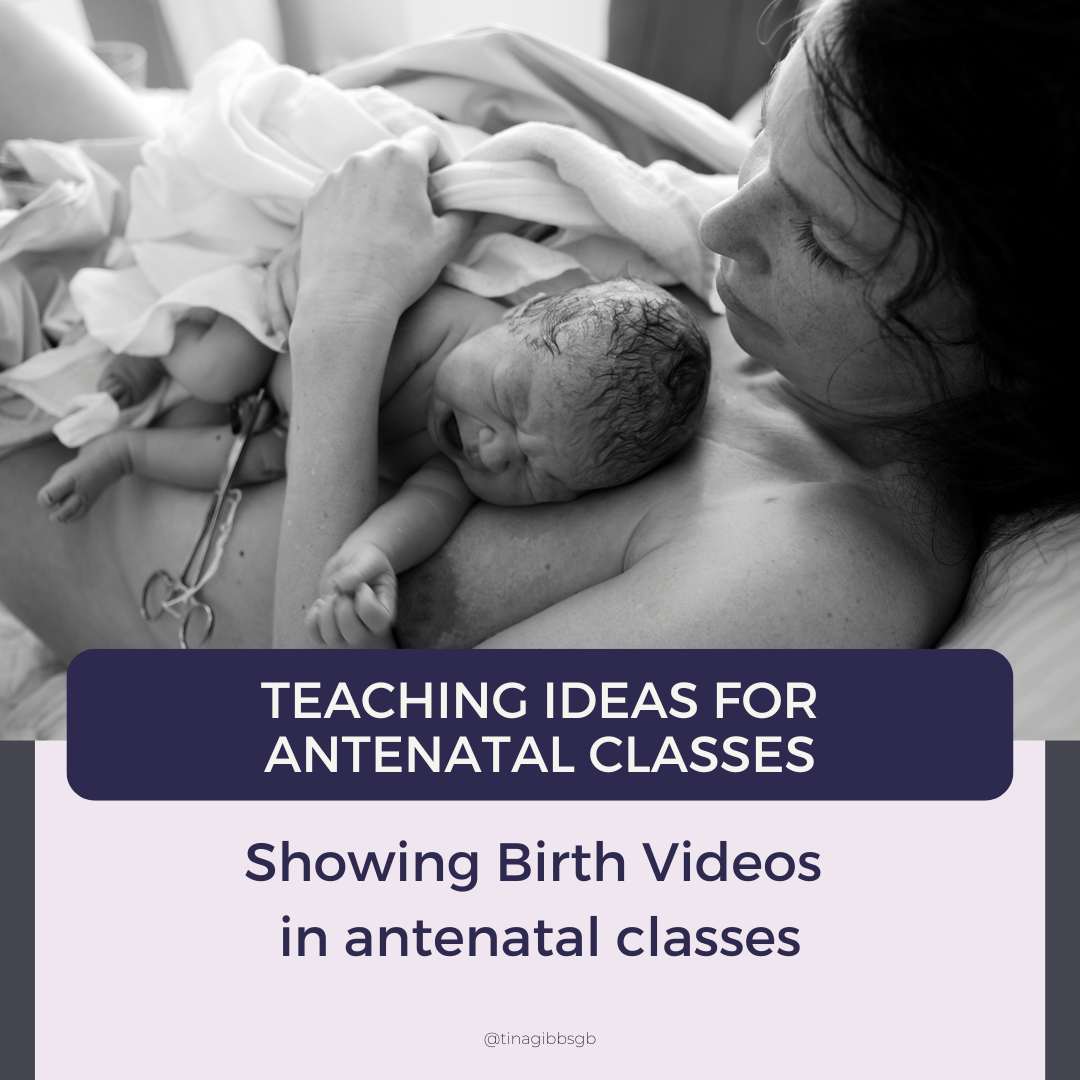
Are you showing birth videos in your antenatal classes?
Antenatal classes are important for preparing parents for childbirth. Some class leaders include the presentation of birth videos to educate and familiarize participants with the birth process. However, there are both pros and cons to showing these videos in your antenatal classes.
Pros:
- Education and Preparation:
- Informed Decision-Making: Birth videos provide a realistic portrayal of labour and delivery, enabling expectant parents to make informed decisions about their birthing preferences.
- Understanding the Process: Watching the birthing process can demystify it, helping parents-to-be understand what to expect and reducing their anxiety.
- Emotional Preparedness:
- Reducing Fear and Anxiety: Witnessing the experiences of other expectant parents can help normalize the process and alleviate fears associated with childbirth.
- Emotional Connection: Birth videos can foster an emotional connection between partners, as they witness the strength and resilience of the birthing person.
- Varied Experiences:
- Diverse Perspectives: Birth videos showcase a range of birthing experiences, including different birthing positions, interventions, and outcomes, providing a comprehensive view of the possibilities.
- Interactive Learning:
- Q&A Opportunities: Watching birth videos in a class setting allows for real-time questions and discussions, enhancing the learning experience.
- Expert Guidance: You as a birth worker and their course leader can offer explanations, and address concerns as they arise during the video presentations.
Cons:
- Potential for Trauma:
- Emotional Distress: For some individuals, especially those with a history of trauma or anxiety, watching birth videos may trigger distressing emotions.
- Graphic Content: Graphic details in certain videos can be overwhelming and contribute to negative psychological effects.
- Unrealistic Expectations:
- Comparisons and Unrealistic Standards: Watching idealized or dramatized birth experiences might lead to unrealistic expectations, causing disappointment if one’s own experience differs.
- Cultural Sensitivity:
- Diverse Cultural Perspectives: Birth videos may not adequately represent the diversity of cultural birthing practices, potentially excluding or marginalizing certain groups.
- Privacy Concerns:
- Comfort Levels: Some participants may feel uncomfortable or exposed watching intimate moments in a group setting, impacting their ability to engage in the learning experience.
Conclusion: Incorporating birth videos into antenatal classes can be a valuable educational tool, but it’s essential to consider the potential emotional and psychological impact on participants. Striking a balance between realistic depictions and sensitivity to individual needs is crucial for ensuring that expectant parents are well-prepared for childbirth without causing undue stress or anxiety. Ultimately, a thoughtful and inclusive approach to using birth videos in antenatal classes can contribute to a positive and informed birthing experience. During my antenatal classes I usually provide my clients with a link to my collection of birth videos. Then, they can decide if they wish to watch any or not.